
 Rubber plugs, renowned for their adaptability, resilience, and proficient sealing capabilities, are indispensable components across a multitude of industries. These unassuming yet versatile elements serve as the backbone for various applications, ensuring operational efficiency, safety, and environmental sustainability. This article delves into the myriad uses of rubber plugs in different industrial sectors, highlighting their significance and contributions.
Automotive Industry: A Pillar of Innovation and Safety
The automotive industry, a sector synonymous with innovation and precision, extensively employs rubber plugs for diverse purposes. Within the fuel system, these plugs play a critical role in sealing fuel lines and tanks. By preventing leaks, they safeguard against fuel loss, which not only has economic implications but also mitigates potential safety hazards. Imagine a scenario where a minor leak could lead to a catastrophic failure; rubber plugs stand as the unsung heroes, averting such disasters.
In cooling systems, rubber plugs are equally vital. They ensure that coolant remains within the system, maintaining optimal engine temperatures. Overheating, a common nemesis of engines, is kept at bay thanks to these unassuming seals. Furthermore, in electrical systems, rubber plugs shield electrical connections and wiring harnesses from the perils of moisture and contaminants. This protection is crucial for reliable performance, preventing short circuits and ensuring the longevity of electrical components.
Environmental Protection: Guardians of Our Ecosystem
Environmental protection is an area where rubber plugs contribute significantly. They are instrumental in sealing holes and gaps in structures, acting as barriers against the ingress of pollutants and contaminants. Whether it's a building, a vehicle, or industrial equipment, rubber plugs help maintain the integrity of the structure, preventing the seepage of harmful substances.
Noise reduction is another facet where rubber plugs excel. In machinery and equipment, they are employed to minimize noise pollution. The cacophony of industrial operations can be a nuisance, not only to workers but also to nearby communities. Rubber plugs, with their damping properties, help create a quieter, more pleasant working environment.
Food Industry: Upholding Hygiene and Safety Standards
The food industry, with its stringent hygiene and safety standards, relies heavily on rubber plugs. In sealing containers, these plugs ensure that food products remain uncontaminated, preserving their freshness and extending shelf life. This is crucial in an industry where product integrity directly impacts consumer health and satisfaction.
Moreover, rubber plugs are used in food processing equipment to create airtight seals. This prevents foreign particles from entering the food products, ensuring that the final output meets the highest quality standards. In an era where food safety is paramount, rubber plugs play a pivotal role in upholding these standards.
Electrical and Electronics: Ensuring Reliability and Performance
In the electrical and electronics industry, rubber plugs are essential components. In cable management, rubber cable grommets protect wires from sharp edges and corners. This protection is vital in preventing damage to cables, which could lead to electrical shorts or failures. Safe routing of cables is ensured, contributing to the overall reliability of electrical systems.
Additionally, rubber plugs provide insulation and protection for electronic components. They safeguard against moisture and dust, two common enemies of electronics. In an industry where precision and performance are critical, rubber plugs help maintain the integrity of electronic systems, ensuring they operate efficiently and reliably.
Manufacturing and Industrial Applications: Enhancing Efficiency and Quality
Rubber plugs are fundamental in various manufacturing and industrial processes. In mold making, for instance, they are used to create precise shapes and forms. This ensures that the end products meet the required specifications, contributing to high-quality output. In an industry where precision is key, rubber plugs help achieve this level of accuracy.
Furthermore, in machinery and equipment, rubber plugs provide effective sealing solutions. They reduce wear and tear, enhancing the operational efficiency of the equipment. By preventing leaks and maintaining optimal conditions, rubber plugs contribute to the longevity and reliability of industrial machinery.
Customization and Tailored Solutions
Many manufacturers specialize in customizing rubber plugs to meet specific industrial needs. This customization involves several aspects, starting with material selection. The right type of rubber, such as EPDM (ethylene propylene diene monomer) or NBR (nitrile butadiene rubber), is chosen based on the application requirements. EPDM, known for its resistance to weathering and ozone, is ideal for outdoor applications. NBR, on the other hand, is suitable for environments where oil resistance is necessary.
Design and size are other crucial factors in customization. Rubber plugs can be custom-designed and manufactured to fit particular specifications and sizes. This tailor-made approach ensures that the plugs perfectly fit the intended application, providing optimal sealing and protection.
Original equipment manufacturer (OEM) services are also offered, where rubber plugs are produced according to client specifications. These plugs are then integrated into larger systems, ensuring seamless operation and compatibility. In an industry where customization is key to meeting specific needs, rubber plug manufacturers play a vital role in providing tailored solutions.
Conclusion: The Indispensable Role of Rubber Plugs
In conclusion, rubber plugs are indispensable in numerous industries, offering critical functions such as sealing, protection, and insulation. Their versatility and adaptability make them suitable for a wide range of applications, from automotive and environmental protection to food, electrical, and industrial manufacturing.
In the automotive sector, they ensure fuel system integrity, maintain optimal engine temperatures, and protect electrical systems. In environmental protection, they seal structures and reduce noise pollution. In the food industry, they uphold hygiene and safety standards. In electrical and electronics, they safeguard components and ensure reliable cable management. In manufacturing and industrial applications, they enhance efficiency and quality.
Moreover, the customization options available further enhance their utility. Manufacturers can tailor rubber plugs to specific industrial needs, choosing the right material, design, and size. OEM services provide clients with plugs that seamlessly integrate into larger systems, ensuring optimal performance.
Rubber plugs, though often overlooked, are the unsung heroes of many industrial processes. Their contribution to operational efficiency, safety, and environmental sustainability is immeasurable. As industries continue to evolve, the role of rubber plugs will undoubtedly become even more significant, cementing their status as indispensable components in the industrial landscape.
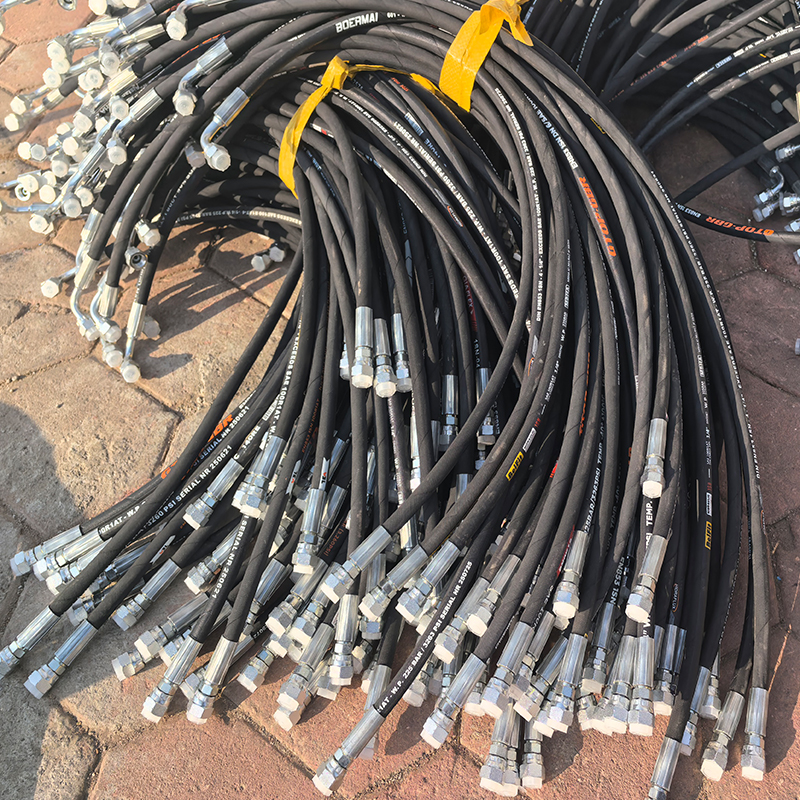 How to Create a Proactive Spiral Hydraulic Hose Replacement Plan That Prevents Downtime?
 Is Your Hydraulic System Overstressing? 5 Diagnostic Signs You Need to Upgrade to Spiral Hose
 Is Your Hydraulic System Pushing Limits? When to Specify Spiral Hose vs. Braided?
 Is Your Machinery Demanding More? Why Upgrade to a Spiral Hydraulic Hose?