
In the realm of maintenance and engineering, preventing leaks is paramount to ensuring the smooth operation of various systems, whether they involve liquids or gases. One unassuming yet highly effective device in this context is the rubber plug. These unassuming tools are widely utilized in piping systems to prevent uncontrolled escape of fluids or gases. This article delves into the intricacies of how rubber plugs function, the materials they are made from, their installation and maintenance, and the integration of smart home technology to enhance their effectiveness.
The Fundamental Role of Rubber Plugs
Rubber plugs serve a primary purpose: they prevent leaks through their elasticity and sealing properties. When a rubber plug is inserted into an opening of a pipe, it conforms tightly to the inner wall of the pipe, creating a seal that obstructs the passage of liquids or gases. This sealing mechanism is crucial in maintaining the integrity of the system, preventing potentially hazardous spills, and ensuring efficient operation.
The effectiveness of a rubber plug as a seal lies in its ability to adapt to the shape and size of the pipe opening. The elastic nature of rubber allows it to compress and expand slightly, filling any minor irregularities or gaps that might exist between the plug and the pipe wall. This adaptability ensures a snug fit, minimizing the risk of leaks even under varying pressures and temperatures.
Material Selection for Rubber Plugs
The choice of material for rubber plugs is a critical factor in their performance. Different rubber compounds exhibit distinct physical properties, such as chemical resistance, heat resistance, and elasticity. For instance, nitrile rubber (often referred to generically due to avoidance of specific branding) is frequently used in the manufacture of rubber plugs owing to its excellent oil resistance and abrasion resistance.
Selecting the right material is imperative to ensure that the rubber plug performs effectively in its intended application environment. In environments where the pipe contents are corrosive or subject to extreme temperatures, a rubber compound with high chemical and thermal resistance would be essential. Conversely, in less demanding applications, a more general-purpose rubber might suffice, balancing cost-effectiveness with functionality.
Moreover, the durability of the rubber material is another consideration. A plug made from a durable rubber compound is less likely to degrade over time, maintaining its sealing capabilities and reducing the need for frequent replacements. This longevity is particularly important in applications where access for maintenance is difficult or costly.
Installation and Maintenance Practices
To guarantee that rubber plugs effectively prevent leaks, proper installation and maintenance are indispensable. Before installing a rubber plug, it is imperative to ensure that the inner wall of the pipe is clean and free from damage. Any debris or imperfections on the pipe wall can compromise the seal, allowing leaks to occur.
The installation process itself requires care to avoid damaging the rubber plug. It should be inserted gently but firmly into the pipe opening, ensuring that it seats correctly and evenly. Over-tightening or forcing the plug into place can cause it to distort or tear, impairing its sealing ability.
Regular inspection of rubber plugs is also crucial. Over time, rubber can degrade due to exposure to chemicals, temperature fluctuations, or mechanical stress. Signs of wear, such as cracks, softening, or hardening of the rubber, indicate that the plug may need to be replaced. Prompt replacement of worn or damaged plugs is essential to prevent potential leaks and maintain system integrity.
Integration with Smart Home Technology
While traditional rubber plugs are highly effective in preventing leaks, advancements in smart home technology have introduced new solutions to enhance leak prevention. One such innovation is the smart leak detector, which can be used in conjunction with rubber plugs to monitor for leaks in real-time.
Smart leak detectors typically consist of sensors that can detect the presence of moisture or changes in environmental conditions that might indicate a leak. These sensors are connected to a central control unit, which can relay information to a smartphone application via Wi-Fi or other wireless communication protocols.
In the event of a detected leak, the smartphone application can immediately notify the user, providing them with the opportunity to take swift action. This could involve shutting off a valve, activating an emergency shutdown procedure, or simply investigating the source of the alert to determine if intervention is necessary.
The integration of smart leak detectors with rubber plugs offers several advantages. It increases the efficiency of leak detection, as the system can monitor for leaks continuously without human intervention. This real-time monitoring capability reduces the risk of undetected leaks, which can lead to significant damage if left unchecked.
Furthermore, smart leak detection systems can provide valuable data on the performance of rubber plugs and other sealing devices. By tracking the frequency and location of leaks, users can identify patterns or potential weaknesses in their piping systems, allowing for targeted maintenance or upgrades to prevent future issues.
In summary, rubber plugs play a vital role in preventing leaks through their sealing capabilities and the careful selection of materials. Proper installation and maintenance are key to ensuring their effectiveness. As smart home technology continues to evolve, the functionality of rubber plugs is being enhanced, providing users with more intelligent and efficient solutions to leak prevention.
By understanding the importance of material selection, adhering to best practices for installation and maintenance, and embracing technological advancements, users can significantly reduce the risk of leaks in their piping systems. This proactive approach not only protects against potential damage and downtime but also contributes to the overall safety and reliability of the systems in which rubber plugs are employed. Whether in residential, commercial, or industrial settings, the humble rubber plug remains an indispensable tool in the fight against leaks.
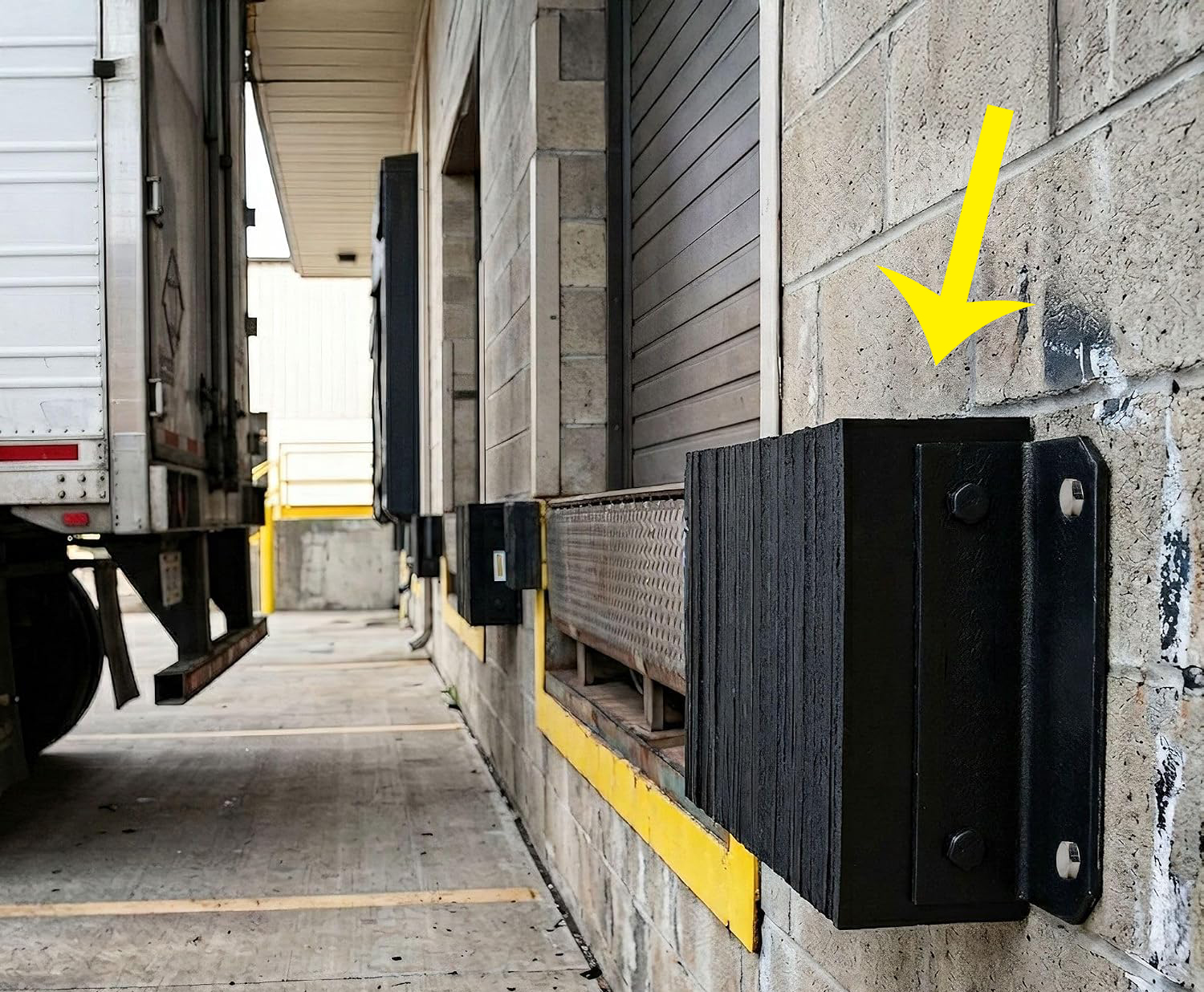 Rubber Laminated Loading Dock Bumper with Steel Angle: 5 Field Failure Signs That Point Back to the RFQ
 Bridge Bearing Pad Field Failure: 5 Visual Signs Before It Retires (And What Caused It)
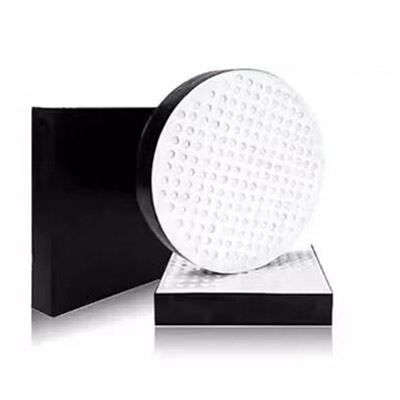 Bridge Bearing Pad RFQ Checklist: 9 Lines That Stop Suppliers From Subbing the Rubber
 Laminated Rubber Bearing: Maintenance and Inspection Protocols