
Rubber plugs, though often overlooked, play a critical role in various applications by providing a reliable seal to prevent leaks and ensure the smooth operation of equipment. Whether they are used in automotive systems, plumbing, or any other industrial application, proper maintenance of rubber plugs is essential to extend their lifespan and prevent potential issues. Although specific articles on rubber plug maintenance might be scarce, drawing from general maintenance practices in the automotive and industrial sectors, we can outline some comprehensive tips to help you keep your rubber plugs in optimal condition.
1. Regular Inspections: A Proactive Approach
One of the cornerstones of effective rubber plug maintenance is regular inspections. This proactive measure allows you to catch any signs of wear, damage, or aging before they escalate into more significant problems. Make it a habit to inspect your rubber plugs periodically, especially if they are subjected to harsh conditions or frequent use.
During these inspections, look for visible signs of wear, such as cracks, tears, or abrasions. Also, check for any changes in the rubber's texture, like hardening or softening, which could indicate material degradation. Pay attention to the sealing surface, ensuring it remains smooth and free of defects that could compromise its sealing capability.
2. Keeping It Clean: The Importance of Hygiene
Cleanliness is crucial when it comes to maintaining rubber plugs. Dirt, grease, and other contaminants can adhere to the rubber surface, accelerating the aging process and potentially impairing its sealing performance. Therefore, it's essential to keep the rubber plugs clean and free from debris.
To clean a rubber plug, use a mild detergent and warm water. Avoid using abrasive cleaners or harsh chemicals, as they can damage the rubber material. Gently scrub the surface with a soft cloth or sponge, ensuring all nooks and crannies are thoroughly cleaned. Rinse well and allow the plug to dry completely before reinstalling it.
3. Proper Storage: Protecting from the Elements
When rubber plugs are not in use, their storage conditions play a vital role in their longevity. Improper storage can lead to premature aging, hardening, or deformation of the rubber material. To prevent these issues, store your rubber plugs in a dry, cool place away from direct sunlight and high temperatures.
Exposure to ultraviolet rays and heat can cause the rubber to deteriorate, losing its flexibility and strength over time. If possible, keep the rubber plugs in a sealed container or bag to protect them from dust and moisture. By providing a controlled environment, you can significantly extend the lifespan of your rubber plugs.
4. Replacing Damaged Parts: A Necessary Evil
Despite your best efforts in maintenance, there may come a time when a rubber plug is irreparably damaged. In such cases, it's crucial to replace it promptly to avoid potential leaks or equipment failures. Ignoring damaged rubber plugs can lead to more significant problems and costly repairs down the line.
When replacing a rubber plug, ensure that the new one matches the specifications and dimensions of the original. Using an incorrect size or type of rubber plug can compromise the seal and lead to performance issues. If you're unsure about the specific requirements, consult the equipment manufacturer or a knowledgeable professional for guidance.
5. Manufacturer Guidelines: The Ultimate Resource
Every rubber plug comes with specific maintenance and usage guidelines provided by the manufacturer. These guidelines are a treasure trove of information, detailing the best practices for maintaining the rubber plugs and any precautions you should take. Ignoring these guidelines can lead to improper maintenance, reducing the lifespan of the rubber plugs and potentially causing equipment failure.
Take the time to read and understand the manufacturer's recommendations. They may include specific cleaning instructions, recommended inspection intervals, and storage conditions tailored to the rubber plug's material and application. Following these guidelines diligently will help you maximize the lifespan of your rubber plugs and ensure they perform reliably.
6. Application-Specific Considerations: Tailoring Maintenance
It's important to note that the general maintenance tips outlined above may need to be adjusted based on the specific application and material of the rubber plugs. Different rubber compounds have varying resistance to chemicals, temperatures, and pressures. Therefore, what works for one type of rubber plug may not be suitable for another.
For example, rubber plugs used in automotive engines may require more frequent inspections due to the high temperatures and exposure to oils and fuels. On the other hand, rubber plugs used in plumbing applications may need to withstand constant exposure to water and cleaning agents.
In some cases, you may need to follow more specialized maintenance procedures. If you're unsure about the specific requirements for your rubber plugs, consult with experts in the field or the equipment manufacturer for tailored advice.
7. Monitoring Performance: The Ongoing Task
Even with diligent maintenance, it's essential to monitor the performance of your rubber plugs continuously. Keep an eye out for any signs of leakage, unusual wear patterns, or changes in the rubber's appearance. If you notice anything out of the ordinary, investigate the cause promptly and take the necessary actions to address the issue.
In conclusion, maintaining rubber plugs may seem like a minor task, but it's crucial for the overall performance and longevity of the equipment they seal. By following regular inspection schedules, keeping the plugs clean, storing them properly, replacing damaged parts, adhering to manufacturer guidelines, and considering application-specific factors, you can ensure that your rubber plugs remain in excellent condition. Remember, proper maintenance is an ongoing process that requires attention to detail and a proactive approach. By investing a little time and effort into maintaining your rubber plugs, you can prevent potential problems and enjoy reliable performance from your equipment.
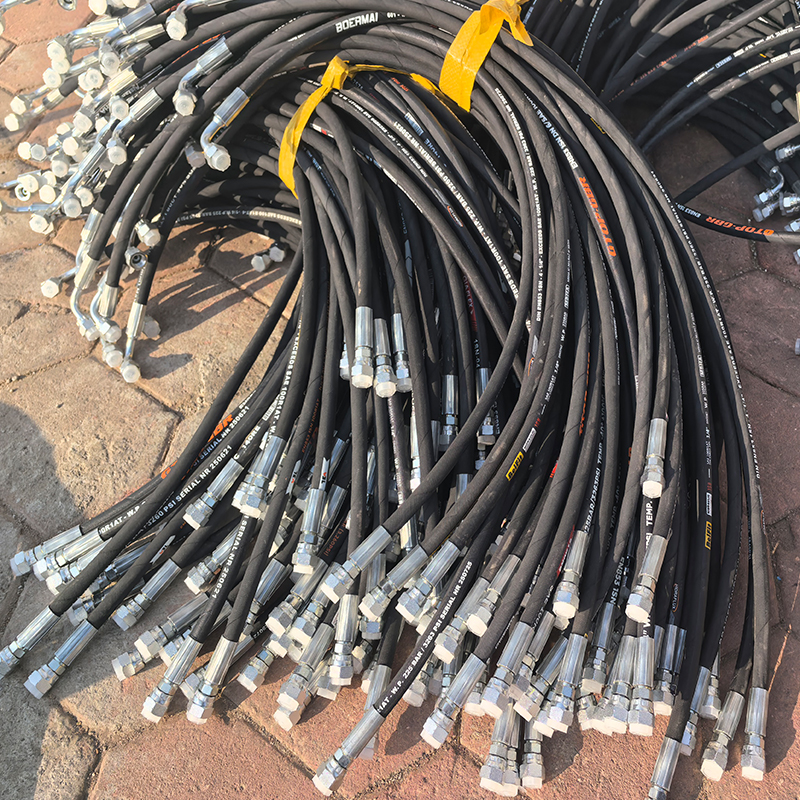 How to Create a Proactive Spiral Hydraulic Hose Replacement Plan That Prevents Downtime?
 Is Your Hydraulic System Overstressing? 5 Diagnostic Signs You Need to Upgrade to Spiral Hose
 Is Your Hydraulic System Pushing Limits? When to Specify Spiral Hose vs. Braided?
 Is Your Machinery Demanding More? Why Upgrade to a Spiral Hydraulic Hose?