
For many vehicle owners, maintaining a car or truck involves tackling small repairs independently to save time and money. One such task is installing a hub oil seal, a critical component that prevents lubricant leaks and keeps contaminants out of wheel hubs. While this job may seem intimidating at first, with the right tools and guidance, it’s a manageable DIY project. This guide breaks down the process into clear steps, ensuring even beginners can approach the task with confidence.
Understanding the Role of a Hub Oil Seal
Before diving into installation, it’s essential to grasp why this component matters. The hub oil seal sits between the wheel hub and the axle, creating a barrier that retains grease while blocking dirt, water, and debris. Over time, seals can degrade due to heat, friction, or age, leading to leaks that compromise lubrication and accelerate wear on bearings and axles. Replacing a worn seal promptly prevents costly damage and ensures smooth vehicle operation.
Preparing for the Job: Tools and Safety
Success starts with preparation. Gather the following tools:
A seal puller or flathead screwdriver (for removing the old seal)
A rubber mallet or dead blow hammer
A block of wood or a seal driver tool
Socket set and wrenches (size varies by vehicle)
Jack and jack stands (to lift the vehicle safely)
Safety glasses and gloves
Clean rags and brake cleaner (for cleaning surfaces)
Safety First: Always work on a flat, stable surface. Use jack stands to secure the vehicle—never rely solely on a hydraulic jack. Wear gloves to protect your hands from grease and sharp edges, and safety glasses to shield your eyes from debris.
Removing the Old Seal: A Step-by-Step Approach
Lift and Secure the Vehicle: Use the jack to raise the corner of the vehicle where the hub is located, then place jack stands beneath the frame for support.
Remove the Wheel: Loosen the lug nuts, then remove the wheel to access the hub assembly.
Access the Hub: Depending on your vehicle, you may need to remove the brake caliper, rotor, or axle nut to reach the hub. Consult your owner’s manual for specifics.
Extract the Old Seal: Position the seal puller or screwdriver between the seal and the hub housing. Gently pry the seal out, working around the edges to avoid damaging the housing. If the seal is stubborn, a rubber mallet can help tap it loose.
Cleaning and Inspecting the Hub Assembly
With the old seal removed, take time to clean the area thoroughly. Spray brake cleaner on a rag and wipe down the hub housing, axle shaft, and surrounding components to remove grease, dirt, and old seal residue. Inspect the housing for grooves, cracks, or uneven surfaces—damage here could cause the new seal to fail prematurely. If you notice significant wear, consider consulting a mechanic, as the hub may need replacement.
Installing the New Seal: Precision Matters
Position the Seal Correctly: Ensure the new seal is oriented properly. The lipped side (usually the thinner edge) should face inward, toward the hub’s interior, to trap grease. The outer edge will sit flush against the housing.
Use a Driver Tool: Place the seal into the housing and press it evenly using a block of wood or a seal driver tool. Avoid using metal tools directly on the seal, as this can cause tears or misalignment.
Apply Even Pressure: Tap the seal gently with a rubber mallet until it sits flush with the housing. Double-check that no gaps remain between the seal and the hub surface.
Reassembling the Hub and Testing Your Work
Reinstall Components: Follow your vehicle’s manual to reattach the axle nut, brake rotor, caliper, and wheel. Tighten lug nuts in a star pattern to ensure even pressure.
Lower the Vehicle: Use the jack to remove the jack stands and gently lower the car to the ground.
Test for Leaks: Before hitting the road, turn the wheel slightly to distribute grease, then inspect the hub area for leaks. Drive the vehicle briefly and check again—a properly installed seal should remain dry.
Common Mistakes to Avoid
Using the Wrong Seal Size: Always verify the seal’s dimensions match your vehicle’s specifications. An ill-fitting seal will fail quickly.
Rushing the Installation: Forcing the seal into place or skipping cleaning steps can lead to misalignment or premature wear.
Neglecting Safety Protocols: Skipping jack stands or protective gear risks injury. Take your time to set up safely.
When to Call a Professional
While DIY installation is feasible for many, certain scenarios warrant expert help. If the hub housing is damaged, the axle is bent, or you’re unsure about reassembly steps, visiting a repair shop ensures the job is done right. Additionally, if leaks persist after installation, a professional can diagnose underlying issues like worn bearings or axle problems.
Final Thoughts: Empowering Vehicle Owners
Installing a hub oil seal is a rewarding DIY project that enhances your understanding of vehicle mechanics while saving on labor costs. By following these steps—and prioritizing safety and precision—you can tackle this task with the same confidence as a seasoned mechanic. Remember, patience and attention to detail are your best tools. With practice, you’ll be ready to tackle more advanced repairs, one component at a time.
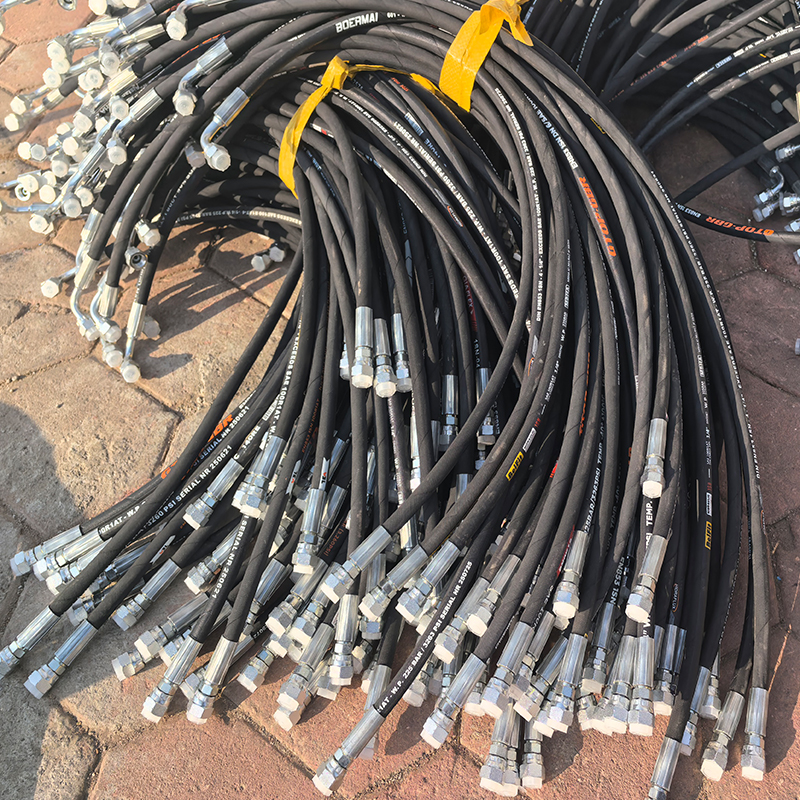 How to Create a Proactive Spiral Hydraulic Hose Replacement Plan That Prevents Downtime?
 Is Your Hydraulic System Overstressing? 5 Diagnostic Signs You Need to Upgrade to Spiral Hose
 Is Your Hydraulic System Pushing Limits? When to Specify Spiral Hose vs. Braided?
 Is Your Machinery Demanding More? Why Upgrade to a Spiral Hydraulic Hose?