
Agricultural machinery operates in some of the harshest environments imaginable—dusty fields, muddy terrains, and extreme temperatures. For farmers and equipment operators, ensuring these machines run smoothly is critical to maintaining productivity. One often-overlooked component that plays a vital role in this is the hub oil seal. This small but mighty part prevents lubricants from leaking out and keeps contaminants like dirt and water from entering critical bearings and gears. Choosing the right hub oil seal can extend the lifespan of agricultural equipment, reduce downtime, and save money on repairs. Here’s how to make an informed decision.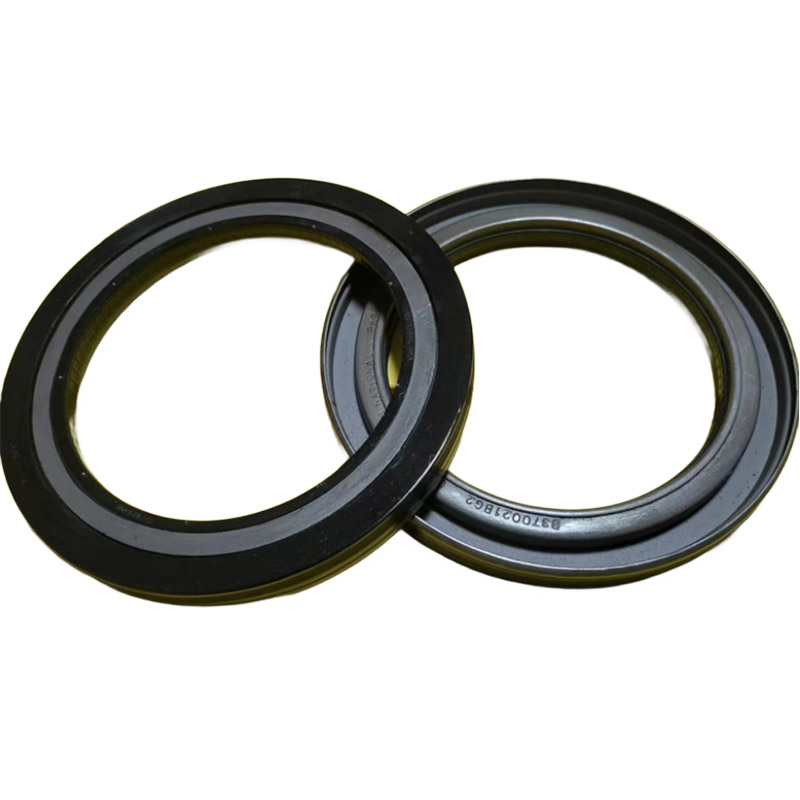
Understanding the Role of a Hub Oil Seal
Before diving into selection criteria, it’s essential to grasp why hub oil seals are indispensable. These seals are installed where rotating shafts intersect with stationary housing, such as wheel hubs or axle assemblies. Their primary job is to create a barrier between the lubricated interior and the external environment. Without a functional seal, grease or oil can escape, leading to friction, overheating, and premature wear. Simultaneously, dirt and moisture infiltration can corrode components, causing catastrophic failures. In agricultural machinery, where equipment often handles heavy loads and operates for long hours, a compromised seal can quickly escalate into costly breakdowns.
Assessing Operating Conditions
The first step in selecting a hub oil seal is evaluating the specific conditions in which the machinery operates. Agricultural environments vary widely, from arid plains to wet, marshy fields. For example:
Dust and debris: Machinery used in dry, dusty regions requires seals with robust dust-exclusion features, such as multiple lips or integrated wiper rings.
Moisture exposure: Equipment operating in wet conditions needs seals made from materials resistant to hydrolysis, such as nitrile rubber or fluorocarbon compounds.
Temperature extremes: Seals in regions with freezing winters or scorching summers must maintain flexibility across a wide temperature range to avoid cracking or losing sealing efficiency.
By matching the seal’s design and material to the operating environment, users can ensure longevity and reliability.
Selecting the Right Material
Hub oil seals are manufactured from various elastomers, each with unique properties suited to different applications. Common materials include:
Nitrile rubber (NBR): A cost-effective choice for general-purpose use, NBR resists oils, fuels, and some chemicals. However, it performs poorly in extreme temperatures or prolonged exposure to sunlight.
Fluorocarbon (FKM): Ideal for high-temperature applications, FKM seals withstand heat, chemicals, and oxidation. They’re often used in machinery exposed to synthetic lubricants or harsh cleaning agents.
Silicone: This material excels in extreme cold but lacks the abrasion resistance needed for high-friction applications.
Polyacrylate (ACM): A middle-ground option, ACM handles moderate heat and oil exposure, making it suitable for some agricultural uses.
The choice depends on the lubricants used, ambient temperatures, and exposure to UV light or ozone. Consulting material compatibility charts or seeking expert advice can prevent mismatches.
Sizing and Fit: Precision Matters
Even the highest-quality seal will fail if it doesn’t fit correctly. Proper sizing involves two key measurements: the shaft diameter and the housing bore diameter. Manufacturers typically provide tolerance ranges to account for minor variations in machinery components.
Shaft diameter: The seal’s inner lip must grip the shaft snugly without causing excessive friction. A loose fit allows leaks, while an overly tight fit generates heat and accelerates wear.
Housing bore: The outer diameter of the seal must align perfectly with the housing to prevent movement or misalignment during operation.
Using calipers or micrometers to measure these dimensions accurately is crucial. Many suppliers offer sizing guides or digital tools to simplify the process.
Design Features for Enhanced Performance
Not all hub oil seals are created equal. Advanced designs incorporate features that address specific challenges in agricultural applications:
Dual lips: Some seals include an inner lip to retain lubricants and an outer lip to block contaminants, offering double protection.
Metal casings: Seals with steel or stainless-steel casings provide rigidity, especially in high-load scenarios like tractor axles.
Spring-loaded lips: A built-in spring ensures consistent pressure on the shaft, maintaining sealing efficiency even as components wear down.
PTFE coatings: Polytetrafluoroethylene (PTFE) reduces friction, extending seal life in high-speed or high-temperature applications.
Evaluating these features based on the machinery’s demands can optimize performance.
Installation Best Practices
Even the perfect seal can fail if installed incorrectly. Common mistakes include using sharp tools that damage the sealing lip, over-tightening fasteners, or failing to lubricate the shaft during installation. Key tips include:
Cleanliness: Ensure the shaft and housing are free of debris, rust, or old gasket material.
Lubrication: Apply a thin layer of compatible grease to the shaft and sealing lip to ease installation and prevent initial wear.
Alignment: Use a press or proper tools to avoid tilting the seal, which can cause uneven pressure and leaks.
Avoiding shortcuts: Never reuse old seals or substitute incompatible parts, as this compromises integrity.
Following manufacturer guidelines or training technicians in best practices reduces installation-related failures.
Maintenance and Replacement Schedules
Proactive maintenance is cheaper than emergency repairs. While hub oil seals are designed for durability, they’re not immortal. Regular inspections can identify early signs of wear, such as:
Visible leaks around the hub.
Unusual noises from bearings (indicating lubricant loss).
Increased operating temperatures due to friction.
Agricultural equipment manufacturers often recommend replacement intervals based on usage hours or seasonal cycles. However, harsh conditions may necessitate more frequent checks. Keeping spare seals on hand ensures quick replacements during busy seasons.
Conclusion
Choosing the right hub oil seal for agricultural machinery is a blend of science and practicality. By understanding the seal’s role, assessing operating conditions, selecting appropriate materials, ensuring precise sizing, and prioritizing proper installation and maintenance, farmers and equipment managers can protect their investments. In an industry where uptime is money, a small component like a hub oil seal can make a monumental difference in efficiency and profitability. Taking the time to make informed choices today pays dividends in reliability tomorrow.
 How to Create a Proactive Spiral Hydraulic Hose Replacement Plan That Prevents Downtime?
 Is Your Hydraulic System Overstressing? 5 Diagnostic Signs You Need to Upgrade to Spiral Hose
 Is Your Hydraulic System Pushing Limits? When to Specify Spiral Hose vs. Braided?
 Is Your Machinery Demanding More? Why Upgrade to a Spiral Hydraulic Hose?