
The durability of rubber plugs refers to their ability to maintain performance over time under various environmental conditions. This encompasses the stability of both physical properties, such as shape and hardness, and chemical properties, like resistance to corrosion. Additives play a crucial role in enhancing the durability of rubber plugs. For instance, a patent for corrosion-resistant rubber plug components, which utilizes a variety of additives to improve the plug's performance in corrosive environments, serves as an illustrative example. These additives include modified fluoroelastomers, ethylene-propylene rubber, boron carbide, magnesium stearate, vulcanization accelerators, fillers, lubricants, plasticizers, and impermeable coatings. The synergistic effect of these components enhances the durability of rubber plugs, enabling them to better withstand corrosive environments, thereby extending their service life and maintaining performance stability.
Improvement in Chemical Stability
Certain additives can react with rubber molecules or fill the spaces between them, enhancing the chemical stability of the rubber. For example, in the aforementioned patent, the use of modified fluoroelastomers instead of conventional ones significantly improves corrosion resistance, meeting the demands of more rigorous industrial applications. This contributes to the enhanced durability of rubber plugs in corrosive environments.
**Enhancement of Physical Properties
Wear resistance: Some additives can improve the wear resistance of rubber. Although not directly related to rubber plugs, the example of specialized formulas used in high-pressure vulcanization processes for rubber linings in ball mills demonstrates a significant increase in wear resistance. Similar enhancements in rubber plugs' wear resistance would reduce the likelihood of damage due to friction during use, thereby improving durability.
Elastic buffering: Additives may help maintain the elasticity of rubber. The elasticity of rubber acts as a buffer against external pressure or impact, reducing damage caused by deformation of the rubber plug under stress and thus enhancing its durability.
Vulcanization accelerators: These additives play a vital role in the rubber vulcanization process by accelerating the vulcanization reaction, resulting in a more complete cross-linked structure of the rubber. This improves properties such as hardness, strength, and wear resistance, which are significant for enhancing the durability of rubber plugs. The inclusion of vulcanization accelerators in the patent for rubber plug components exemplifies their contribution to overall performance improvement.
Fillers: Fillers increase the volume of rubber and improve its physical and mechanical properties. Appropriate fillers can enhance the hardness and strength of rubber, making rubber plugs more durable. The patent mentioned earlier includes filler components, highlighting their importance in durability enhancement.
Lubricants: Lubricants facilitate the flow of rubber during processing and can also influence the performance of the finished rubber plug. For example, they can reduce the friction coefficient on the surface of the rubber plug, minimizing wear during use and thus improving durability.
Impermeable coatings: As mentioned in the patent for rubber plug components, applying an impermeable coating to the surface of the plug can reduce the diffusion rate of chemical media. This enables the rubber plug to effectively withstand various corrosive environments, extending its service life and maintaining performance stability. Impermeable coatings are a crucial means of enhancing the durability of rubber plugs in special environments.
In the realm of rubber plug manufacturing, the strategic use of additives is paramount to achieving optimal durability. By understanding the fundamental principles of durability and the specific ways in which additives can enhance it, manufacturers can tailor their formulations to meet the demands of diverse applications.
The improvement of chemical stability through additives is a critical aspect of enhancing rubber plug durability. Additives that can react with or fill the spaces between rubber molecules create a barrier against corrosive agents, thereby protecting the rubber from degradation. This is particularly important in industries where rubber plugs are exposed to harsh chemicals, as the enhanced chemical stability ensures longer service life and reduced maintenance costs.
Similarly, the enhancement of physical properties, such as wear resistance and elastic buffering, plays a significant role in improving durability. Wear-resistant additives reduce the likelihood of damage due to friction, while elastic-enhancing additives provide a cushioning effect against external forces. Together, these additives contribute to the overall robustness of rubber plugs, making them more reliable in demanding applications.
The role of different types of additives cannot be overstated. Vulcanization accelerators, for example, are essential for achieving a complete cross-linked structure, which is crucial for the mechanical properties of rubber. Fillers, on the other hand, not only increase the volume of rubber but also improve its hardness and strength. Lubricants facilitate processing and can enhance the surface properties of rubber plugs, while impermeable coatings provide an additional layer of protection against corrosive environments.
In conclusion, the use of additives in rubber plug manufacturing is a multifaceted approach to enhancing durability. By carefully selecting and combining different types of additives, manufacturers can create rubber plugs that withstand the test of time and perform reliably in a variety of applications. Whether it's improving chemical stability, enhancing physical properties, or utilizing specific additives for targeted improvements, the possibilities for enhancing rubber plug durability through additives are vast and hold great promise for the future of rubber products.
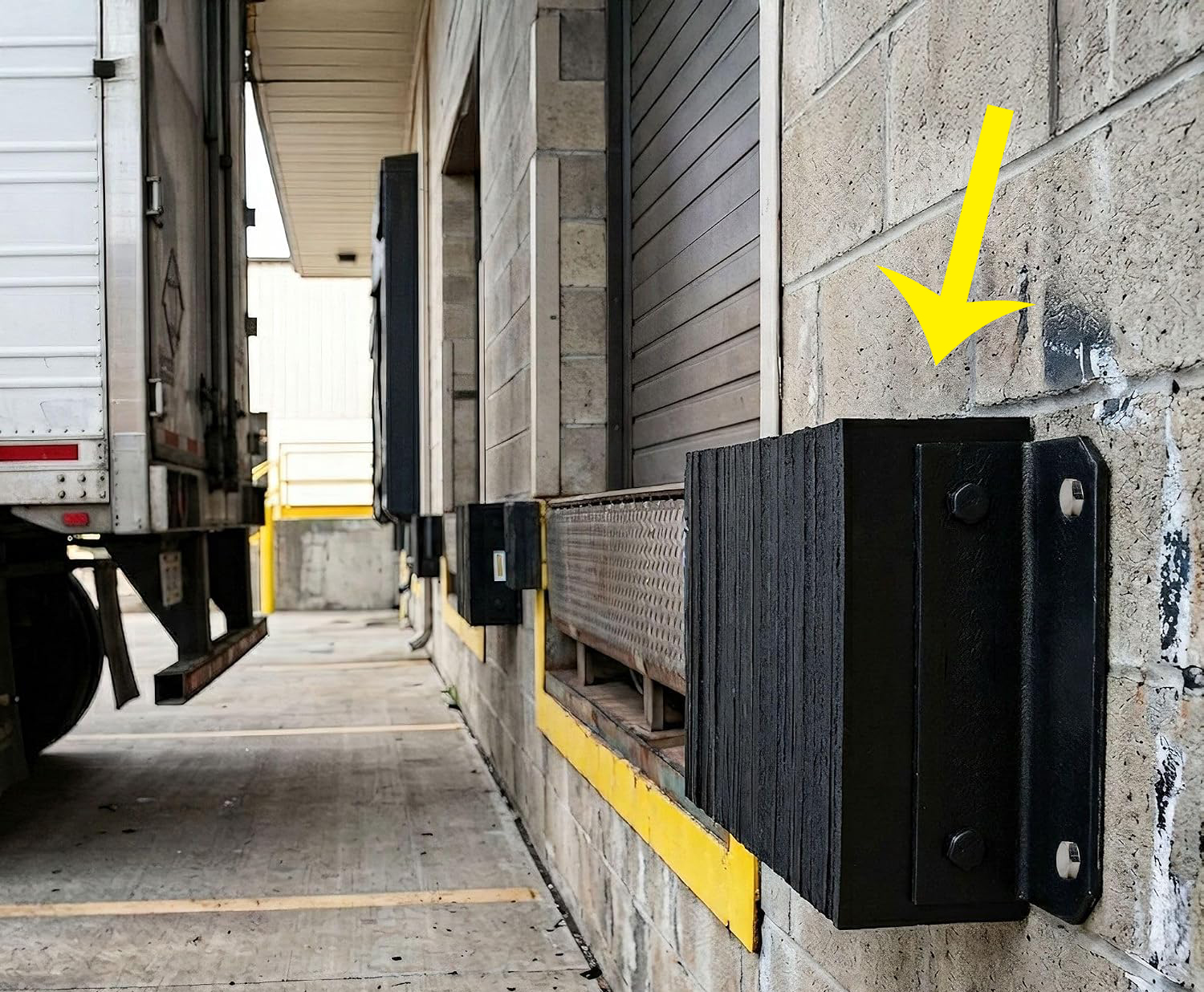 Rubber Laminated Loading Dock Bumper with Steel Angle: 5 Field Failure Signs That Point Back to the RFQ
 Bridge Bearing Pad Field Failure: 5 Visual Signs Before It Retires (And What Caused It)
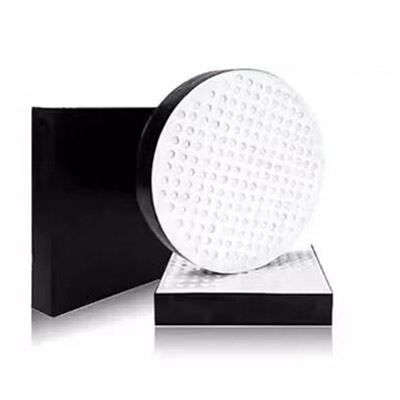 Bridge Bearing Pad RFQ Checklist: 9 Lines That Stop Suppliers From Subbing the Rubber
 Laminated Rubber Bearing: Maintenance and Inspection Protocols