
Maintaining the cleanliness and functionality of rubber plugs is crucial, regardless of whether they are used in plumbing systems, laboratory setups, or other various applications. Regular cleaning not only keeps them in good condition but also helps prevent the accumulation of dirt, mold, and harmful bacteria. Here's a comprehensive guide on how to effectively clean rubber plugs.
Materials Needed:
Warm water
Mild dish soap
White vinegar
Soft-bristled brush (such as a toothbrush)
Clean cloths or sponges
Rubbing alcohol (if desired)
Baking soda (if desired)
Steps to Clean Rubber Plugs:
Prepare the Cleaning Solution
Begin by mixing warm water with a small amount of mild dish soap in a bowl or sink. The warmth of the water enhances the soap's ability to break down dirt and grime more efficiently. This solution will serve as the primary cleaning agent for your rubber plugs.
Initial Rinse
Before soaking the plug, rinse it under running water to eliminate any loose dirt or debris. This initial rinse helps to streamline the cleaning process by removing surface contaminants.
Soak the Plug
Place the rubber plug into the soapy water mixture and allow it to soak for approximately 5-10 minutes. This soaking period helps to loosen any stubborn dirt or grime that may be adhering to the rubber surface.
Scrub the Plug
Using a soft-bristled brush, gently scrub the entire surface of the rubber plug. It's essential to pay extra attention to crevices and areas where dirt commonly accumulates. These areas can be prone to heavy buildup and require more thorough cleaning.
If you notice specific areas with visible stains or mold, apply a bit more pressure while scrubbing. Ensure that you thoroughly clean these problem areas to restore the plug's cleanliness and appearance.
Rinse Thoroughly
After scrubbing, rinse the rubber plug under running water to remove all soap residue. It's crucial to ensure that no soap remains on the plug, as residual soap can leave a film or residue that may affect its performance.
Disinfect (Optional)
For added disinfection, you have a couple of options:
Use White Vinegar: Soak the rubber plug in a solution consisting of equal parts water and white vinegar for about 5-10 minutes. White vinegar acts as a natural disinfectant, helping to kill any remaining bacteria or mold.
Use Rubbing Alcohol: Alternatively, you can wipe the plug with a cloth soaked in rubbing alcohol. This method is particularly effective if the plug has been exposed to contaminants or if you want to ensure a higher level of disinfection.
Dry the Plug
Once cleaned and optionally disinfected, place the rubber plug on a clean towel and allow it to air dry completely. It's important to ensure that the plug is fully dry before reusing it. Moisture can promote the growth of mold or bacteria, which can compromise the plug's hygiene and functionality.
Store Properly
To extend the lifespan of your rubber plug, store it in a cool, dry place away from direct sunlight and extreme temperatures. Proper storage helps to prevent deterioration and ensures that the plug remains in good condition for future use.
Additional Tips:
Regular Maintenance: Clean your rubber plugs regularly to prevent the buildup of dirt and mold. Regular cleaning helps to maintain their functionality and hygiene over time.
Check for Damage: Periodically inspect the rubber plug for any signs of wear or damage. If you notice any issues, such as cracks or tears, replace the plug to ensure it continues to function properly.
Avoid Harsh Chemicals: When cleaning rubber plugs, it's important to use mild cleaning agents. Harsh chemicals can damage the rubber material, compromising its integrity and reducing its lifespan.
By adhering to these steps and tips, you can effectively clean and maintain your rubber plugs. Keeping them clean and well-maintained ensures that they remain functional, hygienic, and reliable for their intended use. Whether you're dealing with plumbing, laboratory equipment, or other applications, proper cleaning and care of rubber plugs are essential for optimal performance and longevity.
In summary, cleaning rubber plugs is a straightforward process that requires only a few basic materials and some simple steps. By preparing a cleaning solution, rinsing the plug, soaking it in soapy water, scrubbing with a soft-bristled brush, rinsing thoroughly, optionally disinfecting, drying completely, and storing properly, you can keep your rubber plugs in excellent condition. Regular maintenance and careful handling will help to prevent damage and ensure that your rubber plugs continue to serve their purpose effectively. So, take the time to clean and care for your rubber plugs, and enjoy their reliable performance for years to come.
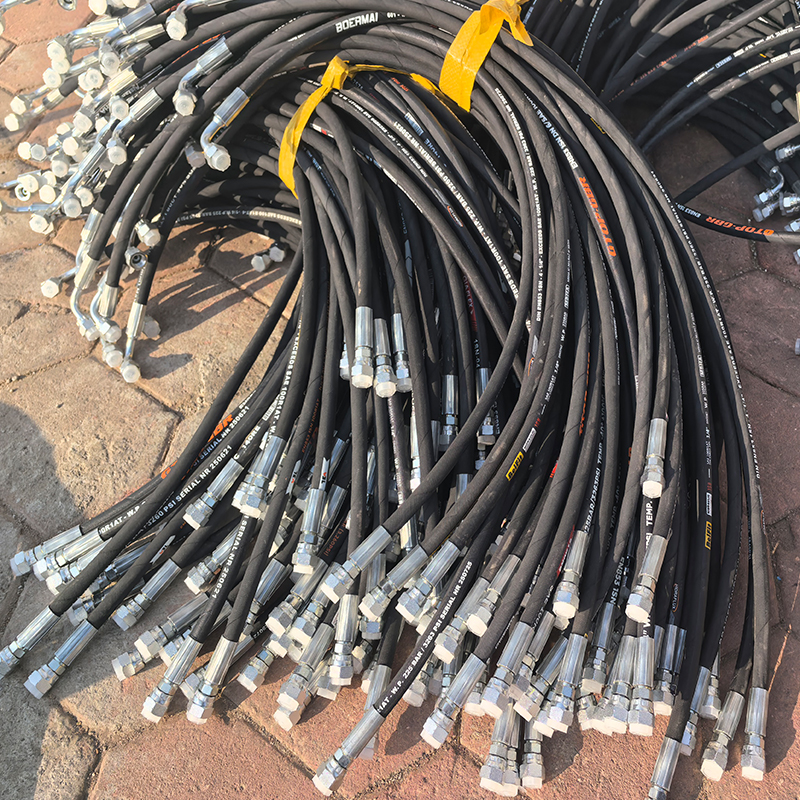 How to Create a Proactive Spiral Hydraulic Hose Replacement Plan That Prevents Downtime?
 Is Your Hydraulic System Overstressing? 5 Diagnostic Signs You Need to Upgrade to Spiral Hose
 Is Your Hydraulic System Pushing Limits? When to Specify Spiral Hose vs. Braided?
 Is Your Machinery Demanding More? Why Upgrade to a Spiral Hydraulic Hose?