
Infrastructure systems, particularly plumbing and piping networks, are the backbone of modern urban living. From residential buildings to industrial complexes, these systems ensure the seamless flow of water, gas, and waste. However, designing a robust piping network requires more than just connecting pipes end-to-end. It demands a deep understanding of pipe flexibility, thermal expansion, and the role of critical components like flexible pipe couplings. This article explores the importance of pipe flexibility analysis and how flexible couplings contribute to the longevity and efficiency of piping systems.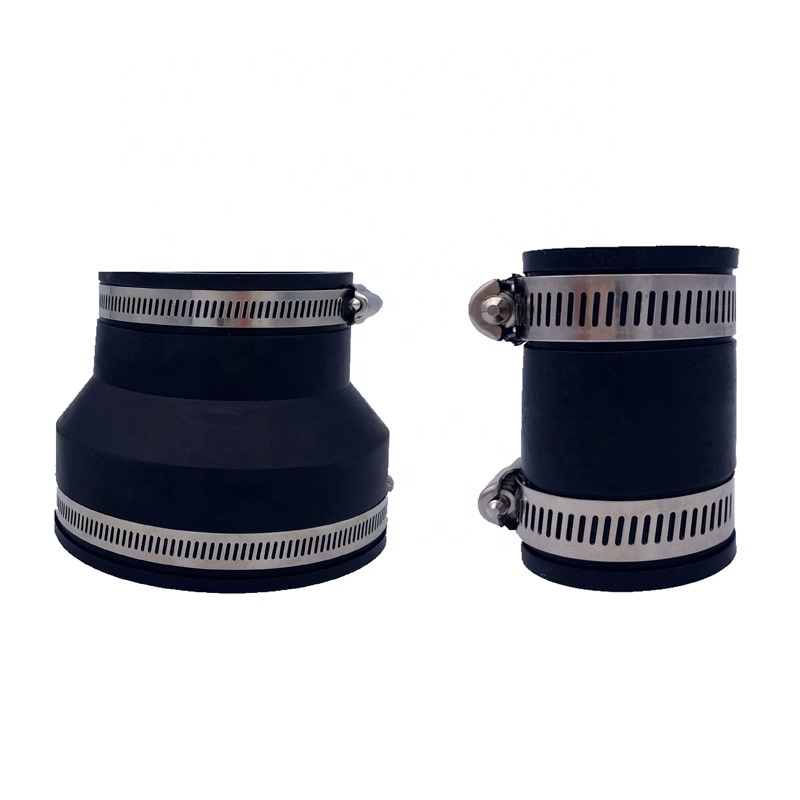
The Role of Pipe Flexibility in Piping Systems
Pipe flexibility is not just a design consideration—it’s a necessity. Pipes expand and contract due to temperature fluctuations, pressure changes, and ground movement. Without accounting for these dynamics, pipes can crack, leak, or even burst, leading to costly repairs and disruptions.
Engineers use flexibility analysis to predict how pipes will behave under various conditions. This involves calculating stresses, deflections, and the impact of supports or restraints. For instance, in long-distance pipelines, thermal expansion can cause significant movement. If not properly managed, this movement could damage joints, valves, or even surrounding structures.
By incorporating flexibility into the design, engineers can minimize stress on pipes and fittings, ensuring the system remains functional for decades. Tools like finite element analysis (FEA) and computational fluid dynamics (CFD) are often employed to simulate real-world scenarios and optimize pipe layouts.
Understanding Flexible Pipe Couplings
Flexible pipe couplings are the unsung heroes of piping systems. These devices connect two pipes while allowing for limited movement, misalignment, and angular deflection. Unlike rigid couplings, which enforce a fixed connection, flexible couplings absorb vibrations, compensate for thermal expansion, and accommodate minor shifts in the pipeline.
Their design typically includes a rubber gasket or sleeve that provides a watertight seal while permitting flexibility. Some couplings also feature stainless steel bands or clamps for added durability. This combination of materials ensures the coupling can withstand pressure, temperature variations, and environmental factors like corrosion.
In applications where pipes are exposed to frequent vibrations (e.g., near machinery or in industrial settings), flexible couplings reduce noise and prevent premature wear. They also simplify installation and maintenance, as they can often be installed without specialized tools.
Benefits of Pipe Flexibility Analysis
Conducting a thorough pipe flexibility analysis offers multiple advantages:
Cost Savings: By anticipating and mitigating stress-related failures, engineers avoid expensive repairs and downtime.
Longevity: Systems designed with flexibility in mind last longer, reducing the need for frequent replacements.
Safety: Properly analyzed pipelines minimize the risk of leaks, explosions, or environmental contamination.
Compliance: Many jurisdictions require flexibility analysis to meet building codes and safety standards.
For example, in a commercial heating system, ignoring flexibility could lead to pipe fractures during cold spells. A flexibility analysis would identify vulnerable sections and recommend solutions like adding expansion loops or using flexible couplings.
Common Challenges in Pipe Flexibility Design
Despite its importance, pipe flexibility design isn’t without hurdles. One major challenge is balancing flexibility with rigidity. Too much flexibility can lead to sagging or misalignment, while too little can cause stress concentrations.
Another issue is accounting for unexpected variables, such as soil settlement in underground pipelines or seismic activity in earthquake-prone regions. Engineers must often collaborate with geotechnical experts to model ground movement accurately.
Additionally, material selection plays a critical role. Pipes made from different materials (e.g., steel, PVC, or copper) have varying coefficients of thermal expansion, complicating flexibility calculations.
How Flexible Couplings Enhance System Performance
Flexible couplings address many of the challenges posed by pipe flexibility. By allowing controlled movement, they reduce the load on adjacent pipes and fittings. This is particularly beneficial in systems with frequent temperature changes, such as district heating networks or chemical processing plants.
In retrofit projects, where replacing entire pipelines is impractical, flexible couplings provide a cost-effective solution. They can be installed to repair damaged sections or to upgrade aging systems without major disruptions.
Moreover, flexible couplings are versatile. They work with pipes of different diameters, materials, and wall thicknesses, making them ideal for mixed-material pipelines. Their ability to seal against leaks also makes them invaluable in water management systems, where even minor leaks can lead to significant water loss.
Real-World Applications of Flexibility Analysis and Couplings
The impact of pipe flexibility analysis and flexible couplings is evident in various industries:
Municipal Water Systems: Flexible couplings help maintain water integrity in aging infrastructure, reducing leaks and bursts.
Oil and Gas Pipelines: Long-distance pipelines use expansion joints and flexible couplings to manage thermal stress and ground movement.
HVAC Systems: In commercial buildings, flexible couplings absorb vibrations from pumps and fans, extending equipment life.
Marine and Offshore Structures: Pipelines in harsh environments rely on flexible couplings to withstand wave action and corrosion.
In one case study, a manufacturing plant reduced its annual maintenance costs by 40% after installing flexible couplings in its steam distribution system. The couplings absorbed thermal expansion, preventing pipe fractures that had previously caused frequent shutdowns.
Future Trends in Pipe Flexibility Technology
As infrastructure ages and environmental demands grow, the need for advanced pipe flexibility solutions will increase. Innovations in materials science, such as self-healing polymers or corrosion-resistant alloys, could enhance the performance of flexible couplings.
Smart technologies, like IoT-enabled sensors, may also play a role. These sensors could monitor pipe stress, temperature, and movement in real time, alerting maintenance teams to potential issues before they escalate.
Additionally, sustainability-focused designs will prioritize recyclable materials and energy-efficient manufacturing processes for couplings and pipes.
Conclusion
Pipe flexibility analysis and the use of flexible couplings are integral to building resilient, efficient, and safe piping systems. By anticipating the dynamic forces at play, engineers can design infrastructure that withstands the test of time and environmental challenges. As technology advances, these practices will only become more critical, ensuring that the pipelines we rely on today continue to serve us well into the future. Whether in residential plumbing, industrial processes, or municipal networks, flexibility remains the key to durability and reliability.
 How to Create a Proactive Spiral Hydraulic Hose Replacement Plan That Prevents Downtime?
 Is Your Hydraulic System Overstressing? 5 Diagnostic Signs You Need to Upgrade to Spiral Hose
 Is Your Hydraulic System Pushing Limits? When to Specify Spiral Hose vs. Braided?
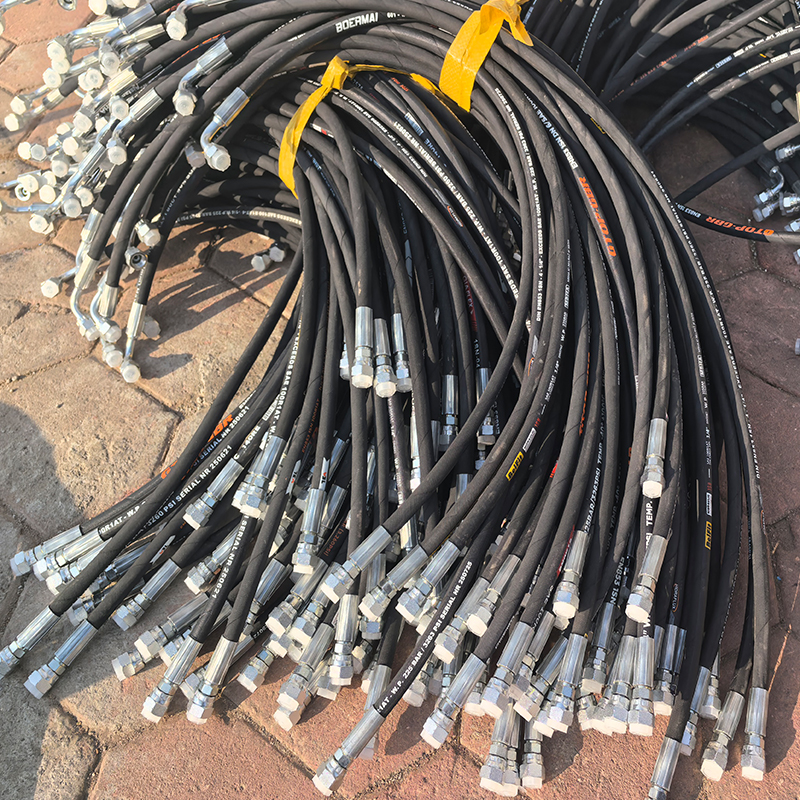
 Is Your Machinery Demanding More? Why Upgrade to a Spiral Hydraulic Hose?