
In residential, commercial, and industrial plumbing systems, ensuring secure and leak-proof connections between pipes is critical. Traditional rigid couplings, while effective in static environments, often struggle to adapt to movements caused by ground shifts, temperature fluctuations, or vibrations. This is where flexible pipe couplings and advanced sealing methods come into play. These innovations not only simplify installation but also enhance the durability and reliability of plumbing networks. This article explores the role of flexible couplings, various pipe sealing techniques, and their applications in modern infrastructure.
The Evolution of Pipe Coupling Technology
Pipe couplings have evolved significantly from basic metal collars to sophisticated, multi-functional connectors. Early designs relied on bolts, gaskets, and rigid materials to join pipes, but these were prone to failure when subjected to movement. The introduction of flexible couplings addressed this limitation by incorporating materials like rubber, thermoplastics, and stainless-steel bands.
Modern flexible couplings are designed to absorb thermal expansion, seismic activity, and minor misalignments without compromising the integrity of the connection. Their adaptability makes them ideal for both above-ground and underground applications, reducing the risk of leaks and costly repairs. For instance, in areas prone to earthquakes, flexible couplings can prevent pipe dislocation, a common issue with rigid systems.
How Flexible Pipe Couplings Work
Flexible couplings operate on a simple yet effective principle: they combine a flexible sealing element with a mechanical fastening system. The sealing element, often made of EPDM rubber or similar materials, conforms to the pipe’s surface, creating a watertight barrier. The mechanical fastener, typically a stainless-steel band or clamp, secures the coupling in place while allowing slight movement.
One key advantage is their compatibility with various pipe materials, including PVC, steel, and cast iron. This versatility eliminates the need for specialized tools or adhesives, streamlining installation. Additionally, many flexible couplings are reusable, making them a cost-effective choice for maintenance and repairs.
Common Pipe Sealing Methods
Sealing pipes is as crucial as connecting them. Here are some widely used sealing techniques:
Compression Fittings: These use a ferrule and nut to compress a gasket onto the pipe, creating a seal. While effective for small-diameter pipes, they may not withstand high pressure or movement.
Push-Fit Connectors: A newer innovation, push-fit connectors rely on O-rings and gripping rings to seal pipes without tools. They are popular in DIY projects but may have limitations in industrial settings.
Threaded Sealants: For threaded pipes, PTFE tape or pipe dope is applied to fill gaps between threads, preventing leaks. However, over-tightening can damage the threads.
Mechanical Seals: Used in high-pressure applications, mechanical seals use springs and mating surfaces to maintain a seal. They require precise installation but offer superior durability.
Epoxy and Resin Coatings: Ideal for repairing leaks in existing pipes, these coatings form a protective barrier when cured. They are non-invasive but may not be suitable for all pipe materials.
Each method has its strengths, and the choice depends on factors like pipe material, pressure requirements, and environmental conditions.
Applications of Flexible Couplings and Sealing Methods
Flexible couplings and advanced sealing techniques are indispensable in various industries:
Plumbing and HVAC Systems: In residential and commercial buildings, these solutions ensure reliable water and gas distribution, even in areas with foundation settling.
Wastewater Management: Municipal sewer systems benefit from flexible couplings’ ability to withstand ground movement and corrosion.
Industrial Pipelines: Factories handling chemicals or high-temperature fluids rely on robust sealing methods to prevent hazardous leaks.
Agricultural Irrigation: Flexible couplings adapt to uneven terrain, reducing the risk of water loss in irrigation systems.
Marine and Offshore Platforms: Saltwater exposure demands corrosion-resistant materials, making flexible couplings and specialized sealants vital for longevity.
By catering to these diverse needs, flexible couplings and sealing methods have become integral to modern infrastructure.
Benefits of Using Flexible Pipe Couplings
The adoption of flexible couplings offers several advantages:
Ease of Installation: No welding, soldering, or gluing is required, reducing labor costs and installation time.
Vibration Dampening: They absorb vibrations from machinery, preventing premature pipe failure.
Cost-Efficiency: Lower maintenance needs and longer lifespans translate to long-term savings.
Environmental Impact: By minimizing leaks, these systems conserve water and reduce pollution risks.
Adaptability: They accommodate pipe misalignments, making them ideal for retrofitting old systems.
For example, a commercial building renovation might involve replacing outdated steel pipes with PVC. Flexible couplings allow seamless integration without extensive modifications, saving both time and money.
Future Trends in Pipe Coupling and Sealing Technology
As infrastructure demands evolve, so do coupling and sealing solutions. Key trends include:
Smart Couplings: Embedded sensors could monitor pressure, leaks, or corrosion in real-time, enabling predictive maintenance.
Sustainable Materials: Manufacturers are exploring bio-based polymers and recycled metals to reduce environmental footprints.
Modular Designs: Couplings that can be easily disassembled and reused will gain popularity as circular economy practices expand.
Automation: Robotic installation tools may streamline large-scale projects, improving accuracy and safety.
These innovations promise to make plumbing systems even more resilient, efficient, and eco-friendly.
Conclusion
Flexible pipe couplings and advanced sealing methods represent a paradigm shift in plumbing technology. By combining adaptability, durability, and ease of use, they address the limitations of traditional rigid systems. Whether in a residential home, a bustling factory, or a remote agricultural site, these solutions ensure reliable, leak-free connections. As technology advances, the future of pipe coupling and sealing looks brighter than ever, offering smarter, greener, and more cost-effective ways to manage our most vital resources.
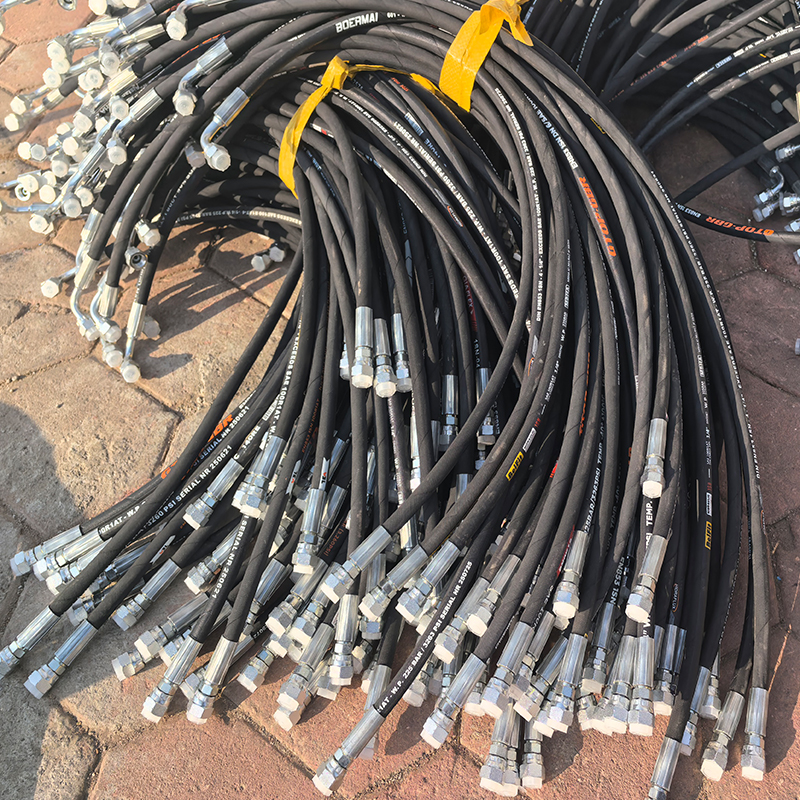 How to Create a Proactive Spiral Hydraulic Hose Replacement Plan That Prevents Downtime?
 Is Your Hydraulic System Overstressing? 5 Diagnostic Signs You Need to Upgrade to Spiral Hose
 Is Your Hydraulic System Pushing Limits? When to Specify Spiral Hose vs. Braided?
 Is Your Machinery Demanding More? Why Upgrade to a Spiral Hydraulic Hose?