
In industrial settings, chemical dosing lines are critical for maintaining precise control over fluid transfer in processes like water treatment, manufacturing, and wastewater management. These systems rely on durable, adaptable components to handle varying pressures, temperatures, and chemical compositions. Among these components, flexible pipe couplings stand out as a versatile solution for connecting pipes while accommodating movement, reducing vibration, and ensuring leak-free operation. This article explores the role of flexible couplings in chemical dosing lines, their benefits, installation considerations, and maintenance tips to optimize performance.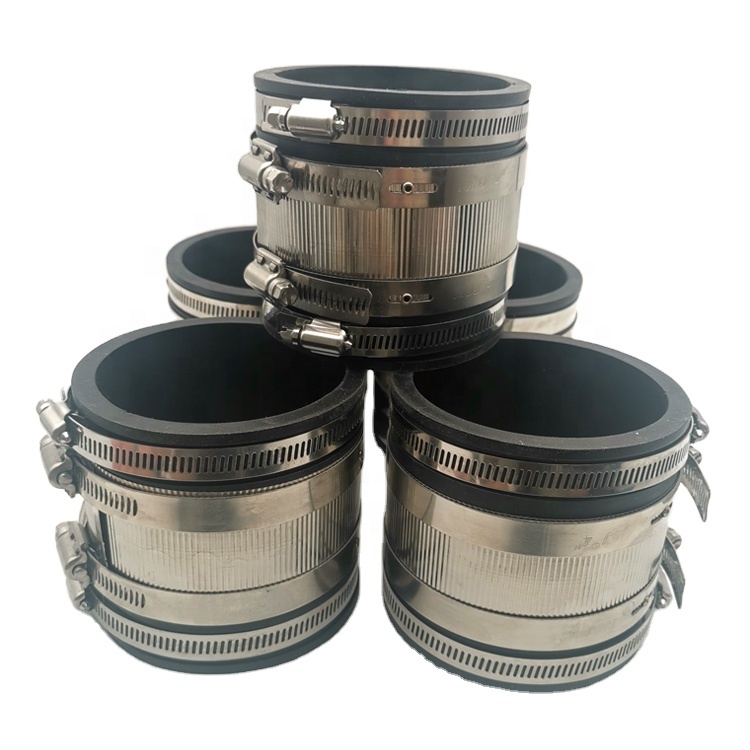
The Role of Flexible Couplings in Chemical Dosing Systems
Chemical dosing lines often involve the transfer of aggressive or corrosive fluids, which can degrade traditional rigid connections over time. Flexible couplings act as a bridge between pipes, absorbing thermal expansion, misalignment, and vibrations caused by pumps or machinery. Unlike rigid fittings, they allow slight angular or axial movement without compromising the seal, reducing the risk of leaks or pipe failure.
In environments where equipment is subject to frequent adjustments or where ground settling occurs, flexible couplings provide a buffer that protects the integrity of the dosing system. Their ability to dampen vibrations also extends the lifespan of pumps and valves by minimizing wear and tear.
Key Advantages of Flexible Pipe Couplings
Chemical Resistance
Flexible couplings are typically manufactured from materials like thermoplastics, rubber, or stainless steel, chosen for their compatibility with a wide range of chemicals. This ensures they withstand exposure to acids, bases, and solvents without corroding or weakening.
Ease of Installation
Unlike rigid couplings that require precise alignment, flexible models can be installed quickly, even in tight spaces. Their design allows for minor adjustments during setup, reducing labor costs and downtime.
Vibration Dampening
Pumps and motors in chemical dosing systems generate vibrations that can loosen fittings over time. Flexible couplings absorb these vibrations, maintaining a secure connection and preventing leaks.
Cost-Effectiveness
By reducing the need for frequent repairs or replacements, flexible couplings lower long-term maintenance expenses. Their durability also minimizes production disruptions caused by unexpected failures.
Factors to Consider When Choosing a Flexible Coupling
Selecting the right coupling depends on several factors, including:
Chemical Compatibility: Ensure the coupling material resists the specific chemicals in the dosing line.
Pressure and Temperature Ratings: Choose a coupling rated for the system’s operating conditions to avoid premature failure.
Size and Fit: Match the coupling’s dimensions to the pipe diameter to ensure a secure connection.
Movement Allowance: Assess whether the system requires angular, axial, or lateral flexibility to accommodate expansion or misalignment.
For example, a system handling high-temperature acids might require a fluoropolymer-lined coupling, while a low-pressure application could use a rubber-based model.
Installation Best Practices
Proper installation is critical to maximizing the lifespan of flexible couplings:
Clean Surfaces: Ensure pipe ends are free of debris, rust, or old sealant to prevent leaks.
Avoid Over-Tightening: Follow manufacturer guidelines for torque specifications to prevent damage to the coupling or pipes.
Support Pipes Adequately: Use hangers or clamps to prevent sagging, which could stress the coupling.
Inspect Regularly: After installation, check for leaks or signs of wear during initial operation.
In tight spaces, consider couplings with a compact design to simplify installation without compromising performance.
Maintenance Tips for Longevity
Regular maintenance extends the service life of flexible couplings:
Visual Inspections: Look for cracks, bulges, or discoloration, which could indicate chemical degradation.
Pressure Testing: Periodically test the system for leaks, especially after adjusting flow rates or chemical concentrations.
Replace Worn Components: Don’t wait for a failure—proactively replace couplings showing signs of wear.
Keep Records: Document installation dates and maintenance activities to track the coupling’s lifespan.
In corrosive environments, more frequent inspections may be necessary to catch early signs of damage.
Common Challenges and Solutions
Despite their benefits, flexible couplings can face challenges:
Chemical Attack: Some fluids may degrade coupling materials over time. Solution: Use couplings with liners or coatings designed for aggressive chemicals.
Pressure Spikes: Sudden pressure changes can damage couplings. Solution: Install pressure regulators or surge protectors upstream.
Misalignment Issues: Excessive movement beyond the coupling’s rated capacity can cause leaks. Solution: Realign pipes or use a coupling with a higher movement allowance.
By addressing these challenges proactively, operators can maintain reliable dosing systems.
Future Trends in Flexible Coupling Technology
Advancements in materials science and engineering are shaping the future of flexible couplings:
Smart Couplings: Some models now include sensors to monitor pressure, temperature, or leaks in real time, enabling predictive maintenance.
Eco-Friendly Materials: Manufacturers are developing couplings from recyclable or biodegradable materials to reduce environmental impact.
Enhanced Durability: New formulations of polymers and composites offer improved resistance to extreme temperatures and chemicals.
These innovations promise safer, more efficient, and sustainable chemical dosing systems.
Conclusion
Flexible pipe couplings are indispensable in chemical dosing lines, offering a blend of durability, adaptability, and cost-efficiency. By selecting the right coupling, following installation best practices, and prioritizing maintenance, industrial operators can ensure reliable, leak-free operation. As technology evolves, these components will continue to play a vital role in optimizing chemical transfer processes across industries. Whether in water treatment plants, manufacturing facilities, or wastewater systems, flexible couplings remain a smart choice for safeguarding infrastructure and productivity.
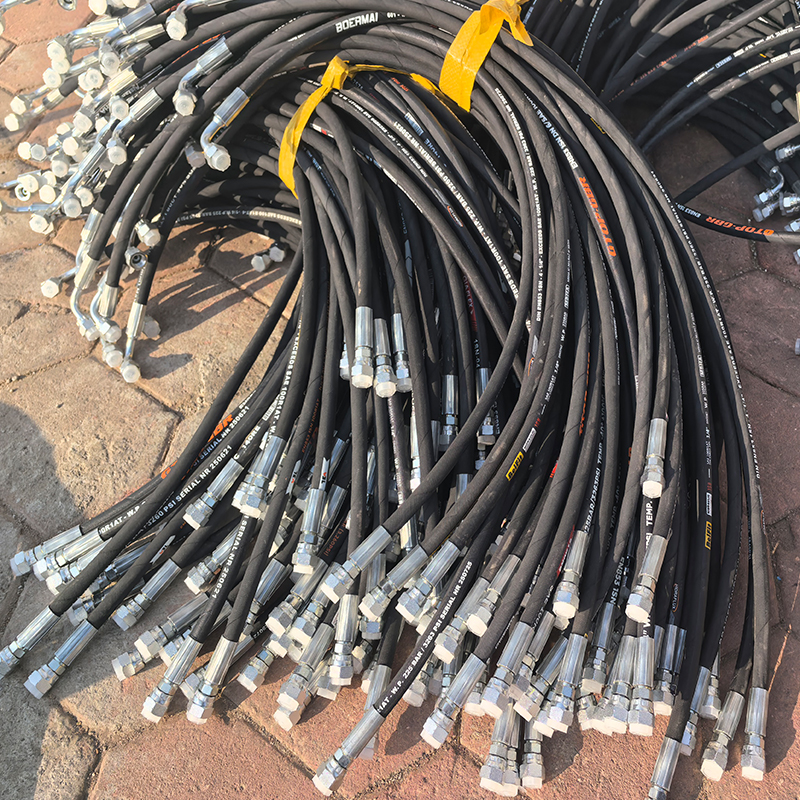 How to Create a Proactive Spiral Hydraulic Hose Replacement Plan That Prevents Downtime?
 Is Your Hydraulic System Overstressing? 5 Diagnostic Signs You Need to Upgrade to Spiral Hose
 Is Your Hydraulic System Pushing Limits? When to Specify Spiral Hose vs. Braided?
 Is Your Machinery Demanding More? Why Upgrade to a Spiral Hydraulic Hose?