
Cooling towers are critical components in industrial and commercial HVAC systems, ensuring efficient heat dissipation and maintaining optimal operational temperatures. A key element in these systems is the flexible pipe coupling, which connects pipes, absorbs vibrations, and compensates for misalignment. This article explores the role of flexible pipe couplings in cooling towers, their benefits, installation considerations, and maintenance tips to ensure longevity and reliability.
The Role of Flexible Pipe Couplings in Cooling Towers
Cooling towers rely on a continuous flow of water to transfer heat from industrial processes or HVAC systems to the atmosphere. Pipes within these towers transport water between components like pumps, heat exchangers, and distribution basins. However, the dynamic nature of cooling tower operations—such as vibrations from pumps, thermal expansion, and slight misalignments—can strain rigid pipe connections.
Flexible pipe couplings act as shock absorbers, allowing pipes to move slightly without causing leaks or structural damage. They also accommodate minor misalignments during installation or due to ground settling over time. By reducing stress on the piping system, these couplings help prevent costly repairs and downtime.
Key Benefits of Using Flexible Pipe Couplings
Vibration Dampening
Pumps and fans in cooling towers generate vibrations that can travel through rigid piping, leading to fatigue and leaks. Flexible couplings absorb these vibrations, protecting the system and extending the lifespan of pipes and joints.
Thermal Expansion Compensation
Water temperature fluctuations in cooling towers cause pipes to expand and contract. Flexible couplings adjust to these movements, preventing cracks or fractures in the piping network.
Misalignment Tolerance
During installation or due to environmental factors, pipes may not align perfectly. Flexible couplings bridge small gaps or angular misalignments, ensuring a secure connection without compromising flow efficiency.
Noise Reduction
By minimizing vibrations, flexible couplings also reduce noise pollution, making cooling towers quieter and more compliant with workplace safety regulations.
Cost-Effective Maintenance
Proactively using flexible couplings reduces the likelihood of emergencies like pipe bursts or leaks, lowering long-term maintenance costs and operational disruptions.
Types of Flexible Pipe Couplings
Rubber Expansion Joints
Made from reinforced rubber, these couplings are ideal for absorbing vibrations and compensating for thermal expansion. They are lightweight, easy to install, and suitable for low-to-medium pressure applications.
Metallic Bellows Couplings
Stainless steel bellows couplings offer high durability and pressure resistance, making them suitable for large-scale industrial cooling towers. They handle extreme temperatures and harsh chemicals but are more expensive than rubber alternatives.
Composite Flexible Couplings
Combining materials like rubber and fabric, these couplings balance flexibility and strength. They are often used in mixed-use environments where chemical resistance and vibration dampening are both critical.
Quick-Connect Flexible Couplings
Designed for ease of installation, these couplings feature clamp-style or push-fit mechanisms, reducing labor time during repairs or upgrades.
Installation Considerations for Optimal Performance
Proper Sizing
Couplings must match the pipe diameter and pressure ratings. Oversized or undersized couplings can lead to leaks or premature failure. Consult manufacturer guidelines to select the right size.
Alignment During Installation
While flexible couplings accommodate minor misalignments, excessive angular or lateral offsets can stress the material. Use alignment tools to ensure pipes are as straight as possible before securing couplings.
Torque Specifications
Tightening bolts or clamps to the recommended torque prevents leaks without over-compressing the coupling. Refer to installation manuals for torque values.
Support Structures
Pipes should be adequately supported to avoid sagging, which could place undue strain on couplings. Use hangers or brackets at regular intervals.
Chemical Compatibility
Cooling tower water often contains chemicals like corrosion inhibitors or biocides. Ensure the coupling material is resistant to these substances to prevent degradation.
Maintenance Tips for Longevity
Regular Inspections
Schedule visual checks for signs of wear, such as cracks, leaks, or corrosion. Replace couplings at the first sign of damage to prevent catastrophic failures.
Pressure Testing
Periodically test the piping system for leaks, especially after repairs or system modifications.
Lubrication (If Applicable)
Some couplings require lubrication of moving parts. Follow manufacturer recommendations to maintain smooth operation.
Environmental Protection
In outdoor cooling towers, couplings may be exposed to UV rays or extreme weather. Consider protective coatings or UV-resistant materials for added durability.
Documentation
Keep records of installation dates, maintenance activities, and replacement schedules to track the lifespan of couplings and plan proactively.
Common Challenges and Solutions
Premature Wear
Cause: Excessive vibrations, misalignment, or chemical exposure.
Solution: Upgrade to a heavier-duty coupling material or realign the piping system.
Leakage
Cause: Loose fittings, damaged gaskets, or over-tightening.
Solution: Retighten bolts to specifications or replace worn gaskets.
Corrosion
Cause: Exposure to aggressive chemicals or moisture.
Solution: Switch to corrosion-resistant materials like stainless steel or apply protective coatings.
Noise Issues
Cause: Inadequate vibration dampening.
Solution: Install additional rubber-based couplings or isolate pumps with vibration mounts.
Future Trends in Flexible Pipe Coupling Technology
Smart Couplings with Sensors
Emerging designs integrate pressure and vibration sensors to monitor coupling health in real time, alerting operators to potential issues before they escalate.
Eco-Friendly Materials
Manufacturers are exploring biodegradable or recyclable materials to reduce the environmental impact of couplings.
Modular Designs
Couplings that allow for easy component replacement (e.g., replacing a damaged bellows without replacing the entire unit) could simplify maintenance and reduce waste.
Enhanced Chemical Resistance
Advances in polymer science are leading to couplings that withstand harsher chemicals, extending their lifespan in industrial cooling towers.
Conclusion
Flexible pipe couplings are indispensable in cooling tower systems, offering reliability, safety, and cost savings. By understanding their role, selecting the right type, and following proper installation and maintenance practices, facility managers can ensure their cooling towers operate efficiently for years to come. As technology evolves, stay informed about innovations like smart sensors and eco-friendly materials to further optimize your system’s performance.
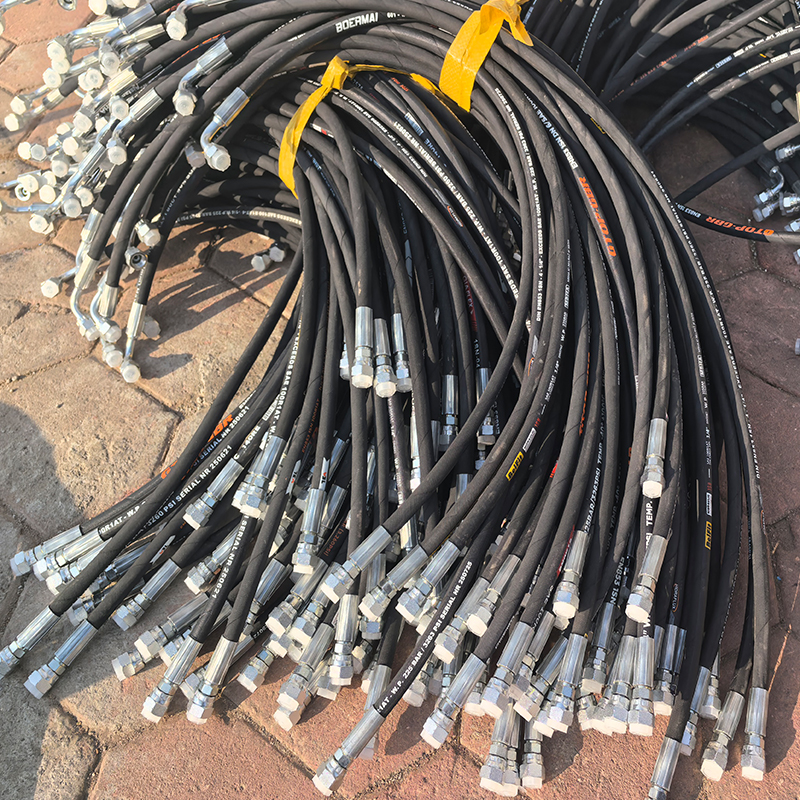 How to Create a Proactive Spiral Hydraulic Hose Replacement Plan That Prevents Downtime?
 Is Your Hydraulic System Overstressing? 5 Diagnostic Signs You Need to Upgrade to Spiral Hose
 Is Your Hydraulic System Pushing Limits? When to Specify Spiral Hose vs. Braided?
 Is Your Machinery Demanding More? Why Upgrade to a Spiral Hydraulic Hose?