
Underground piping systems are the unsung heroes of modern infrastructure, quietly transporting water, sewage, gas, and other essential resources beneath our feet. Yet, these systems face relentless challenges: ground movement, temperature fluctuations, seismic activity, and aging infrastructure. To ensure reliability and longevity, engineers and municipalities rely on innovative solutions like flexible pipe couplings. This article explores how these devices work, their benefits, installation best practices, and why they’re indispensable for underground piping networks.
Understanding the Role of Flexible Pipe Couplings
Underground pipes aren’t static; they shift due to soil settling, freeze-thaw cycles, or even minor earthquakes. Traditional rigid couplings can crack or leak under such stress, leading to costly repairs and service disruptions. Flexible pipe couplings, however, are designed to absorb these movements while maintaining a watertight seal.
These couplings consist of two halves that clamp around pipe ends, secured by bolts or screws. Inside, a rubber gasket compresses to create a flexible yet airtight connection. This design allows pipes to bend slightly without compromising the joint’s integrity. Whether connecting pipes of the same or different materials (e.g., PVC to cast iron), flexible couplings adapt to varying diameters and materials, making them versatile for retrofits and new installations.
Key Advantages of Flexible Pipe Couplings
Mitigation of Ground Movement Impact
Ground shifts are inevitable, especially in areas prone to earthquakes or expansive clay soils. Flexible couplings act as shock absorbers, preventing pipe joints from snapping under pressure. For instance, a municipal water system in California reported a 40% reduction in leak repairs after switching to flexible couplings in earthquake-prone zones.
Ease of Installation and Retrofitting
Unlike rigid couplings that require precise alignment, flexible couplings tolerate minor misalignments. This speeds up installation, reducing labor costs. Additionally, they’re ideal for repairing old pipes without excavating large sections—a game-changer for urban infrastructure projects.
Corrosion and Chemical Resistance
Underground pipes are exposed to moisture, chemicals, and soil acids. Flexible couplings use corrosion-resistant materials like stainless steel or reinforced rubber, ensuring durability even in harsh environments. A study by the American Water Works Association found that couplings with EPDM rubber gaskets lasted 20+ years in acidic soil conditions.
Cost-Effectiveness Over Time
While flexible couplings may have a higher upfront cost than rigid alternatives, their longevity and reduced maintenance needs deliver long-term savings. Municipalities in Texas reported saving $1.2 million over a decade by using flexible couplings in stormwater drainage systems.
Applications Across Industries
Flexible pipe couplings aren’t limited to water systems; they’re used in diverse underground applications:
Sewage and Wastewater: Handles corrosive effluent and prevents leaks that contaminate groundwater.
Gas Distribution: Absorbs thermal expansion in gas lines, reducing the risk of ruptures.
Industrial Pipelines: Connects pipes carrying chemicals or slurries, where vibration and movement are common.
Irrigation Systems: Adapts to soil movement in agricultural settings, ensuring uninterrupted water flow.
For example, a Midwest farming cooperative used flexible couplings in its irrigation network, reducing downtime by 60% during wet seasons when soil expansion was highest.
Installation Best Practices
Proper installation is critical to maximizing the lifespan of flexible couplings. Here’s a step-by-step guide:
Pipe Preparation: Ensure pipe ends are clean, debris-free, and cut squarely. Rough edges can damage gaskets.
Gasket Lubrication: Apply a non-petroleum-based lubricant to the gasket to ease installation and prevent twisting.
Alignment: Slide the coupling halves over the pipe ends, aligning them carefully. Avoid over-tightening bolts, which can stress the gasket.
Testing: After installation, pressure-test the system to verify leaks. Most manufacturers recommend re-tightening bolts after 24 hours to account for initial settling.
A common mistake is underestimating torque specifications. Over-tightening can compress the gasket too much, reducing flexibility, while under-tightening risks leaks. Always refer to the manufacturer’s guidelines.
Maintenance and Longevity
Flexible couplings require minimal maintenance, but periodic inspections are wise:
Visual Checks: Look for signs of corrosion, gasket wear, or loose bolts during routine system audits.
Pressure Testing: Annually test sections of the pipeline, especially in high-stress areas like road crossings.
Replacement Timelines: While couplings can last 20–30 years, replace gaskets every 10–15 years in aggressive environments.
A city in the Northeast replaced couplings in its 1970s-era sewer system, extending the network’s lifespan by another two decades—a testament to proactive maintenance.
Environmental and Safety Considerations
Leaky underground pipes waste resources and pollute ecosystems. Flexible couplings help mitigate these risks:
Water Conservation: Reduces non-revenue water losses in municipal systems.
Soil Protection: Prevents contaminant leaks into groundwater, safeguarding drinking water sources.
Worker Safety: Eliminates the need for hazardous excavation in emergency repairs, as couplings allow for trenchless fixes.
For instance, a coastal town in Florida used flexible couplings to rehabilitate its aging stormwater system, reducing saltwater intrusion into freshwater aquifers by 35%.
Future Trends in Pipe Coupling Technology
As infrastructure ages and climate change intensifies, the demand for resilient piping solutions grows. Innovations include:
Smart Couplings: Embedded sensors that monitor joint integrity and alert maintenance teams to potential leaks.
Biodegradable Gaskets: Eco-friendly materials that decompose safely after a coupling’s lifespan.
3D-Printed Custom Fittings: Tailored solutions for complex piping layouts, reducing waste and installation time.
Researchers at a leading engineering university are testing couplings with shape-memory alloys that self-adjust to temperature changes, a breakthrough for extreme climates.
Conclusion: The Backbone of Reliable Infrastructure
Flexible pipe couplings are more than mechanical components—they’re safeguards for our underground lifelines. By accommodating movement, resisting corrosion, and simplifying repairs, they ensure that water flows, sewage drains, and gas reaches its destination uninterrupted. For engineers, municipalities, and contractors, investing in quality couplings isn’t just about compliance—it’s about building infrastructure that endures.
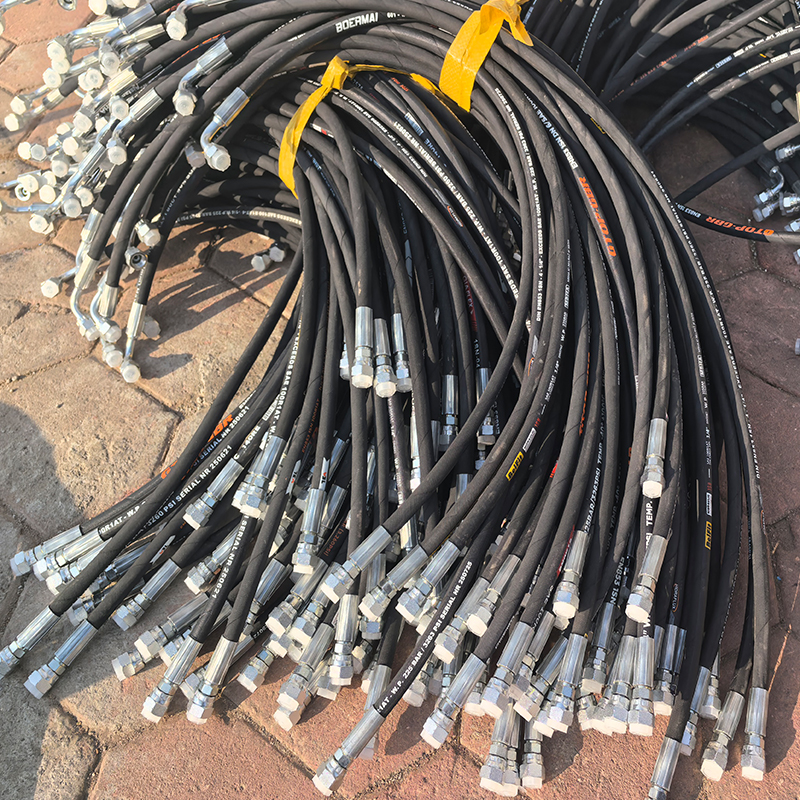 How to Create a Proactive Spiral Hydraulic Hose Replacement Plan That Prevents Downtime?
 Is Your Hydraulic System Overstressing? 5 Diagnostic Signs You Need to Upgrade to Spiral Hose
 Is Your Hydraulic System Pushing Limits? When to Specify Spiral Hose vs. Braided?
 Is Your Machinery Demanding More? Why Upgrade to a Spiral Hydraulic Hose?