
Fire protection systems are the unsung heroes of building safety, quietly safeguarding lives and property from the devastating impact of fires. Yet, behind these systems lies a network of components working in harmony, one of which is the flexible pipe coupling. Often overlooked, this small but mighty part plays a critical role in ensuring the reliability and efficiency of fire suppression systems. In this blog post, we’ll explore the importance of flexible pipe couplings in fire protection, their benefits, installation considerations, and why they are indispensable for modern buildings.
The Role of Flexible Pipe Couplings in Fire Protection
Fire protection systems, such as sprinklers and standpipes, rely on a seamless flow of water to suppress fires effectively. However, buildings are dynamic environments. They settle over time, experience vibrations from machinery or nearby traffic, and undergo renovations that may alter structural integrity. These movements can stress rigid piping, leading to leaks, breaks, or system failures.
This is where flexible pipe couplings come into play. Designed to absorb movement and accommodate misalignment, these couplings act as shock absorbers within the piping network. They allow pipes to expand, contract, and shift without compromising the system’s integrity. By maintaining a secure connection, flexible couplings ensure that water reaches its destination when needed most, providing peace of mind to building owners and occupants alike.
Key Benefits of Using Flexible Pipe Couplings
Durability and Longevity
Flexible couplings are engineered to withstand harsh conditions, including extreme temperatures, pressure fluctuations, and exposure to corrosive elements. Their robust construction minimizes wear and tear, reducing the need for frequent repairs and replacements.
Ease of Installation
Unlike rigid connections that require precise alignment, flexible couplings simplify installation. They can be adjusted to accommodate minor misalignments, saving time and labor costs. This flexibility is particularly valuable in retrofitting projects where existing piping may not align perfectly with new components.
Vibration and Noise Reduction
In buildings with mechanical equipment or high foot traffic, vibrations can travel through piping, causing noise and potential damage. Flexible couplings act as dampeners, absorbing vibrations and reducing noise pollution. This not only enhances occupant comfort but also prolongs the lifespan of the piping system.
Compliance with Safety Standards
Fire protection systems must adhere to strict codes and standards, such as those set by the National Fire Protection Association (NFPA). Flexible pipe couplings are designed to meet or exceed these requirements, ensuring that buildings remain compliant and safe. Using approved couplings helps avoid penalties and legal issues during inspections.
Types of Flexible Pipe Couplings
Not all flexible couplings are created equal. Different applications demand specific designs to address unique challenges. Here are a few common types:
Rubber Gasket Couplings: These use a rubber sleeve to create a watertight seal between pipes. They are ideal for low-pressure systems and offer excellent vibration absorption.
Mechanical Couplings: These rely on bolts or clamps to secure pipes together. They are suitable for high-pressure applications and can withstand greater stress.
Stainless Steel Couplings: Designed for corrosion resistance, these are ideal for outdoor or chemically aggressive environments.
Expansion Joints: While not traditional couplings, expansion joints serve a similar purpose by allowing thermal expansion and contraction in long piping runs.
The choice of coupling depends on factors like system pressure, pipe material, environmental conditions, and budget constraints.
Installation and Maintenance Considerations
Proper installation is crucial for the performance of flexible pipe couplings. Here are some best practices:
Pre-Installation Inspection
Before installing couplings, inspect pipes for damage, debris, or irregularities. Ensure that pipe ends are clean and square to facilitate a proper seal.
Alignment and Tightening
While flexible couplings accommodate some misalignment, excessive deviations can compromise the seal. Use alignment tools if necessary, and tighten bolts or clamps to the manufacturer’s specified torque.
Regular Maintenance
Schedule periodic inspections to check for leaks, corrosion, or wear. Replace couplings showing signs of degradation promptly to prevent system failures.
Training and Documentation
Ensure that maintenance personnel are trained in coupling installation and troubleshooting. Keep detailed records of installations, repairs, and replacements for audit purposes.
Case Study: The Impact of Flexible Couplings in a High-Rise Building
Consider a hypothetical high-rise building in a seismic zone. During an earthquake, the structure shifts, causing stress on the piping system. Without flexible couplings, the pipes could crack or disconnect, disabling the fire suppression system. However, with strategically placed couplings, the pipes flex and absorb the movement, maintaining system integrity. This scenario underscores the importance of flexible couplings in disaster-prone areas.
Future Trends in Flexible Pipe Coupling Technology
As buildings become taller, more complex, and environmentally conscious, the demand for advanced coupling solutions grows. Innovations include:
Smart Couplings: Equipped with sensors to monitor pressure, leaks, and stress in real time, these couplings enable predictive maintenance and reduce downtime.
Eco-Friendly Materials: Manufacturers are exploring sustainable materials to reduce the environmental impact of couplings, such as recycled rubbers or biodegradable components.
Modular Designs: Couplings that can be easily disassembled and reassembled simplify upgrades and repairs, extending the lifespan of piping systems.
Conclusion
Flexible pipe couplings are the silent guardians of fire protection systems, ensuring that water flows uninterrupted when it matters most. Their ability to adapt to movement, reduce vibrations, and simplify installation makes them indispensable in modern construction. By investing in high-quality couplings and adhering to best practices in installation and maintenance, building owners can enhance safety, compliance, and long-term cost savings.
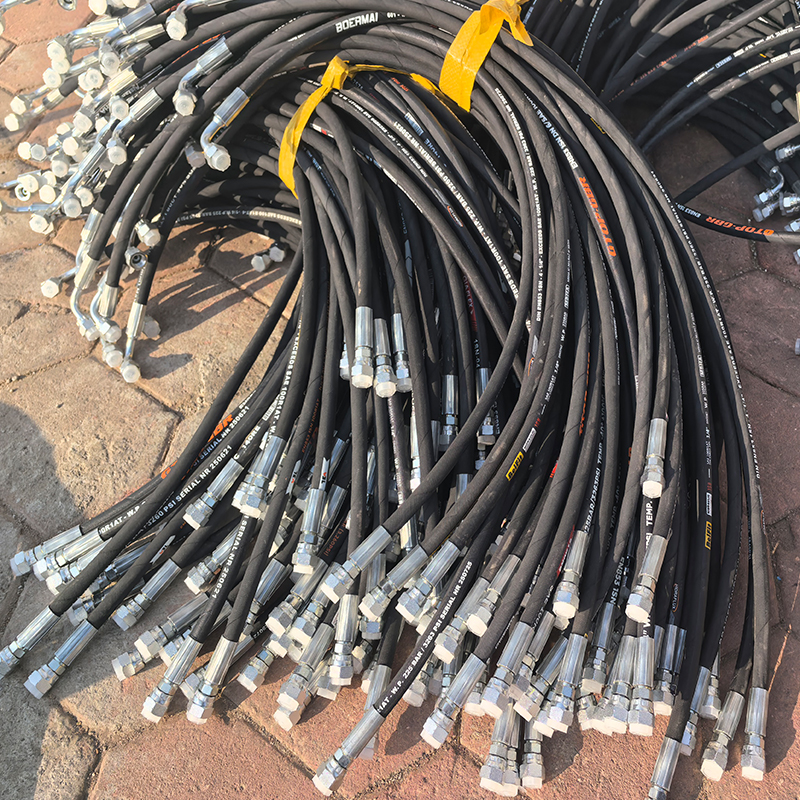 How to Create a Proactive Spiral Hydraulic Hose Replacement Plan That Prevents Downtime?
 Is Your Hydraulic System Overstressing? 5 Diagnostic Signs You Need to Upgrade to Spiral Hose
 Is Your Hydraulic System Pushing Limits? When to Specify Spiral Hose vs. Braided?
 Is Your Machinery Demanding More? Why Upgrade to a Spiral Hydraulic Hose?