
Fire protection systems are the backbone of safety in residential, commercial, and industrial buildings. These systems are designed to detect, suppress, and control fires, minimizing damage and saving lives. A critical but often overlooked component of these systems is the flexible pipe coupling. These unassuming connectors play a vital role in ensuring the integrity and adaptability of fire protection piping networks. This article explores the significance of flexible pipe couplings, their benefits, installation considerations, and their impact on overall system reliability.
The Role of Flexible Pipe Couplings in Fire Protection
Fire protection systems rely on a network of pipes to transport water, foam, or other extinguishing agents to strategic points in a building. Traditional rigid piping systems, while durable, can be prone to stress from thermal expansion, seismic activity, or building settlement. This is where flexible pipe couplings come into play.
Flexible couplings act as shock absorbers within the piping network, accommodating movement caused by environmental factors without compromising the system’s structural integrity. By allowing slight axial, angular, and lateral adjustments, these couplings prevent leaks, pipe breaks, and costly repairs. Their ability to absorb vibrations also reduces noise and extends the lifespan of the entire fire protection infrastructure.
Key Advantages of Flexible Pipe Couplings
Enhanced Durability and Longevity
Flexible couplings distribute stress evenly across the piping system, reducing wear and tear on joints and connections. This is particularly important in areas prone to ground shifts or seismic activity, where rigid systems might fail under pressure.
Ease of Installation and Maintenance
Unlike welded or threaded connections, flexible couplings simplify installation. They require fewer specialized tools and can be adjusted on-site, saving time and labor costs. Additionally, their modular design makes repairs or modifications straightforward, minimizing downtime during maintenance.
Cost-Effectiveness
While the upfront cost of flexible couplings might be slightly higher than rigid alternatives, their long-term savings are significant. Reduced maintenance needs, fewer leaks, and extended system lifespan translate to lower lifecycle costs for building owners.
Compliance with Safety Standards
Fire protection systems must adhere to strict codes and regulations, such as those set by the National Fire Protection Association (NFPA). Flexible couplings designed for fire suppression applications are engineered to meet or exceed these standards, ensuring compliance and peace of mind.
Installation Considerations for Optimal Performance
Proper installation is crucial to maximizing the benefits of flexible pipe couplings. Here are key factors to consider:
Material Selection
Couplings are available in various materials, including stainless steel, rubber, and composite blends. The choice depends on factors like the fluid being transported, environmental conditions, and budget. For fire protection systems, corrosion-resistant materials are typically preferred to withstand water exposure and humidity.
Sizing and Compatibility
Couplings must match the pipe diameter and material to ensure a secure fit. Mismatched sizes can lead to leaks or reduced flexibility. Consulting manufacturer specifications and engaging certified installers can help avoid compatibility issues.
Alignment and Tolerance
While flexible couplings accommodate some misalignment, excessive deviations can strain the system. Pipes should be aligned as closely as possible during installation, with couplings used to fine-tune adjustments rather than compensate for major errors.
Support and Anchoring
Proper support structures, such as hangers or clamps, are essential to prevent sagging or excessive movement. Couplings work best when the piping system is adequately supported, reducing stress on the connectors.
Common Challenges and Solutions
Despite their advantages, flexible pipe couplings are not without challenges. Common issues include:
Over-Tightening
Excessive torque during installation can damage the coupling’s gasket or housing, leading to leaks. Following manufacturer torque guidelines and using calibrated tools can prevent this.
Inadequate Pressure Ratings
Using couplings rated below the system’s operating pressure risks failure. Always verify pressure ratings and select couplings designed for high-pressure fire suppression applications.
Environmental Degradation
In harsh environments (e.g., coastal areas with salt exposure), couplings may degrade faster. Regular inspections and the use of protective coatings or corrosion-resistant materials can mitigate this.
Compatibility with Extinguishing Agents
Some fire suppression systems use specialized fluids or additives that may react with coupling materials. Testing for chemical compatibility beforehand is advisable.
The Future of Flexible Pipe Couplings in Fire Protection
As building designs evolve and safety standards tighten, the role of flexible pipe couplings will only grow. Innovations in material science and engineering are leading to lighter, stronger, and more versatile couplings. For example, advancements in elastomeric compounds are improving resistance to extreme temperatures and chemicals, while 3D printing technologies enable custom designs for complex installations.
Additionally, the push for sustainable construction practices is driving demand for eco-friendly materials. Manufacturers are exploring recyclable components and energy-efficient production methods to align with green building certifications like LEED.
Conclusion
Flexible pipe couplings are indispensable components of modern fire protection systems. Their ability to enhance durability, simplify installation, and reduce maintenance costs makes them a wise investment for any building project. By understanding their role, adhering to best practices in installation, and staying informed about technological advancements, facility managers and engineers can ensure their fire suppression systems remain reliable, efficient, and compliant for years to come.
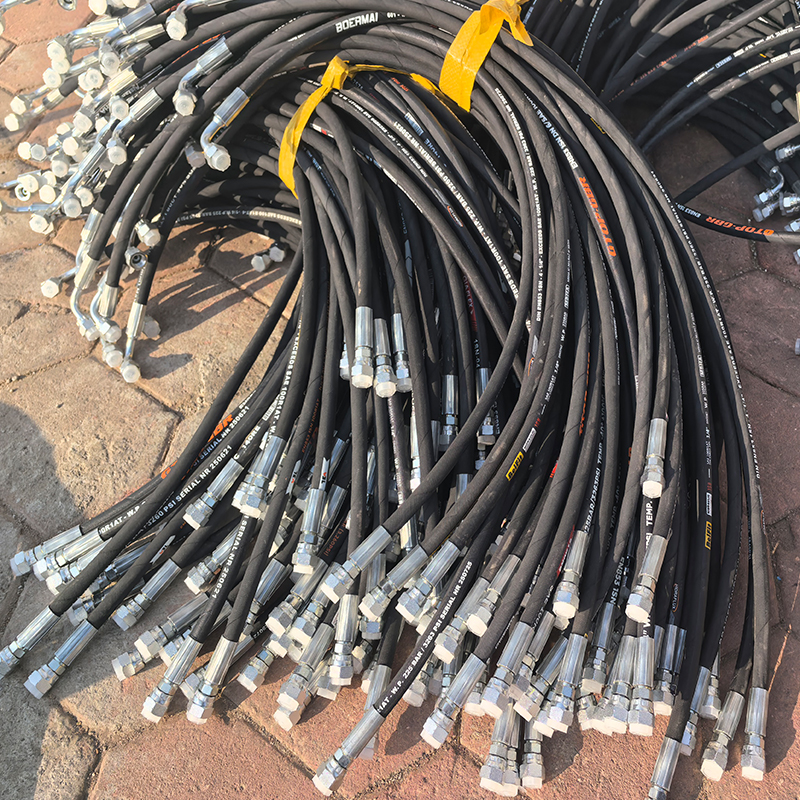 How to Create a Proactive Spiral Hydraulic Hose Replacement Plan That Prevents Downtime?
 Is Your Hydraulic System Overstressing? 5 Diagnostic Signs You Need to Upgrade to Spiral Hose
 Is Your Hydraulic System Pushing Limits? When to Specify Spiral Hose vs. Braided?
 Is Your Machinery Demanding More? Why Upgrade to a Spiral Hydraulic Hose?