
The pulp and paper industry is a cornerstone of global manufacturing, producing essential materials for packaging, printing, and everyday consumer goods. However, its operations are notoriously demanding, characterized by harsh chemicals, high temperatures, and abrasive substances that can rapidly degrade infrastructure. Among the most critical components in this environment are pipe couplings—devices that connect sections of piping to ensure seamless material flow. Flexible pipe couplings, in particular, have emerged as indispensable tools due to their ability to accommodate thermal expansion, misalignment, and vibrations. This article explores how these couplings enhance operational efficiency, reduce maintenance costs, and support sustainability efforts in pulp and paper facilities.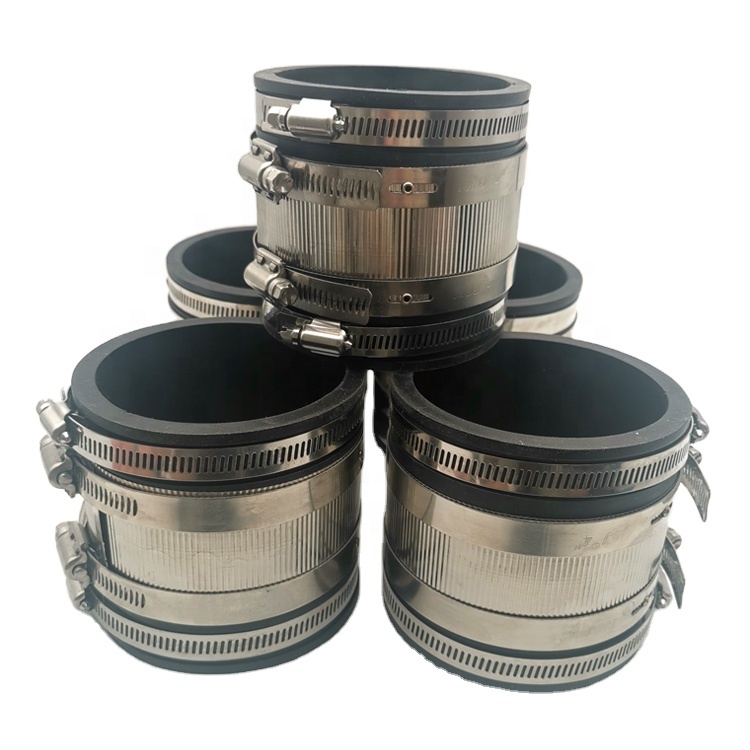
The Unique Challenges of Pulp and Paper Operations
Pulp and paper mills face a trifecta of operational challenges that strain traditional piping systems. First, the chemicals used in processes like pulping and bleaching—such as sodium hydroxide and chlorine dioxide—are highly corrosive, often leading to premature pipe degradation. Second, the extreme temperatures involved, ranging from freezing water in stock preparation to boiling liquids in recovery boilers, cause pipes to expand and contract, risking leaks or breaks. Third, the abrasive nature of pulp slurries and recycled fibers accelerates wear on piping joints.
Conventional rigid couplings struggle to adapt to these conditions, often resulting in costly downtime for repairs. Flexible couplings, by contrast, are engineered to absorb stress, compensate for misalignment, and resist chemical corrosion, making them ideal for this industry.
How Flexible Pipe Couplings Work
Flexible couplings function by incorporating elastomeric elements or mechanical designs that allow controlled movement between connected pipes. For example, rubber-sleeved couplings create a watertight seal while permitting angular and axial displacement. Mechanical couplings, often made from stainless steel or composite materials, use bolted or clamped designs to secure pipes while accommodating thermal expansion.
In pulp and paper applications, these couplings are installed in critical areas such as digesters, washers, and evaporators. Their ability to flex under pressure prevents pipe failure, reduces noise from vibrating machinery, and minimizes the risk of spills that could contaminate products or harm the environment.
Reducing Maintenance Costs and Downtime
One of the most significant advantages of flexible couplings is their impact on maintenance budgets. In a traditional mill, a single pipe leak can halt production for hours or days, costing thousands of dollars in lost revenue. Flexible couplings mitigate this risk by acting as shock absorbers for the piping system. For instance, a coupling installed near a high-pressure pump can dampen vibrations that would otherwise loosen rigid connections over time.
Moreover, these couplings are often easier to install and replace than their rigid counterparts. Many designs allow for quick disassembly without specialized tools, enabling maintenance teams to address issues promptly. This agility translates to fewer labor hours spent on repairs and longer intervals between scheduled maintenance cycles.
Enhancing Safety and Environmental Compliance
Pulp and paper mills are subject to stringent safety and environmental regulations, particularly regarding chemical handling and wastewater discharge. A pipe failure in a bleaching plant, for example, could release hazardous substances into waterways or expose workers to toxic fumes. Flexible couplings help prevent such incidents by maintaining secure connections even under stress.
Additionally, their resistance to corrosion reduces the likelihood of leaks that might lead to groundwater contamination. Some couplings are also designed with spill-containment features, such as secondary seals, to further protect against environmental harm. By prioritizing these safeguards, mills can avoid costly fines and reputational damage while demonstrating a commitment to sustainability.
Supporting Sustainability Initiatives
The pulp and paper industry is under increasing pressure to reduce its environmental footprint. Flexible couplings contribute to this goal in several ways. First, by extending the lifespan of piping systems, they reduce the need for raw materials like steel and plastic, lowering the mill’s carbon emissions associated with manufacturing and transportation. Second, their energy-efficient designs minimize pressure drops in fluid transport, reducing the power required for pumps and compressors.
Furthermore, some couplings are engineered for compatibility with recycled water systems, enabling mills to reuse process water and conserve freshwater resources. As sustainability becomes a competitive differentiator, investing in durable, low-maintenance infrastructure like flexible couplings is a strategic move for forward-thinking companies.
Case Studies: Real-World Applications
To illustrate the impact of flexible couplings, consider two hypothetical scenarios. In a northern U.S. mill, winter temperatures frequently drop below freezing, causing pipes to contract sharply. Rigid couplings in the stock preparation area began leaking, leading to costly shutdowns. After switching to flexible rubber-sleeved couplings, the mill reported zero leaks during the following winter, saving an estimated $50.000 in repair costs and lost production.
In a southern mill, vibrations from a new high-speed pulp dryer were causing misalignment in adjacent piping. Mechanical flexible couplings with vibration-dampening properties were installed, reducing noise levels by 30% and extending the life of nearby valves by 50%. These examples highlight how tailored coupling solutions can address specific operational pain points.
Future Trends in Piping Technology
As the pulp and paper industry evolves, so too will the technology supporting it. Innovations in coupling design include smart sensors that monitor wear and predict maintenance needs, as well as materials engineered for even greater chemical resistance. Additionally, advancements in 3D printing may enable customized couplings for unique mill layouts, further optimizing efficiency.
Another trend is the integration of couplings into broader digital twin systems, where virtual models of piping networks simulate stress and flow dynamics. This data-driven approach allows engineers to proactively identify potential failure points and deploy flexible couplings strategically.
Conclusion
Flexible pipe couplings are more than just connectors—they are vital components of a resilient, efficient, and sustainable pulp and paper operation. By addressing the industry’s unique challenges, these couplings reduce costs, enhance safety, and support environmental stewardship. As mills continue to navigate an evolving regulatory landscape and competitive market, investing in reliable infrastructure will remain a priority. Flexible couplings, with their proven track record of performance and adaptability, are poised to play a central role in the industry’s future.
 Need a Bumper for Glancing Impacts? How Hybrid Steel-Rubber Design Outperforms.
 Tired of Replacing Torn Dock Bumpers? Does Steel-Reinforced Rubber Solve Your Problem?
 Looking for Dock Bumpers that Last? How Do Steel-Cornered Pads Cut Your Repair Costs?
 Need Maximum Durability? Why Choose a Rubber Laminated Bumper with Reinforced Steel Corners?