
 End the Replacement Cycle: Why Steel-Reinforced Corners Make Rubber Dock Bumpers Last
A steel-cornered bumper may have an initial cost of $350 but can last 5-7 years in the same punishing spot. The five-year cost is essentially just the initial purchase, representing a 50% or greater reduction in total cost. More importantly, it eliminates the unplanned downtime and potential structural damage costs from a failed bumper.
Key Selection Criteria for Buyers
When evaluating these bumpers, consider these three specifications:
Rubber Core Density: Measured in durometer (Shore A), look for a rating between 70-85 for optimal balance of energy absorption and resistance to compression set.
Steel Gauge and Protection: Ensure the corner plates are made of at least 11-gauge (approx. 1/8") steel with a corrosion-resistant finish (galvanized or powder coat) for humid or wash-down environments.
Mounting System: Seek a bumper with multiple, reinforced bolt holes in the steel plates, allowing for through-bolting for maximum strength, preventing the bumper from being torn from the wall upon impact.
Ideal Installation Points for Maximum ROI
Prioritize these high-value locations for installation:
Dock Door Jambs: Where trailer sway and forklift misalignment cause constant scraping.
Corner Columns at Aisle Ends: The most common casualty of tight forklift turns.
The "Kill Column": The first column inside a warehouse door that trailers most often strike.
High-Traffic Conveyor Legs and Rack Uprights: To protect critical equipment from impact damage.
Conclusion
The reinforced steel-corner rubber dock bumper is a straightforward yet highly effective engineering upgrade. It adds targeted durability where standard products are weakest, delivering a demonstrable return on investment through drastically extended service life. For any facility plagued by recurring bumper damage, this hybrid solution offers a smarter, more durable, and ultimately more economical form of protection.
 How Much Load Can a Bridge Bearing Pad Actually Carry? Engineering Data for Safe Girder Support
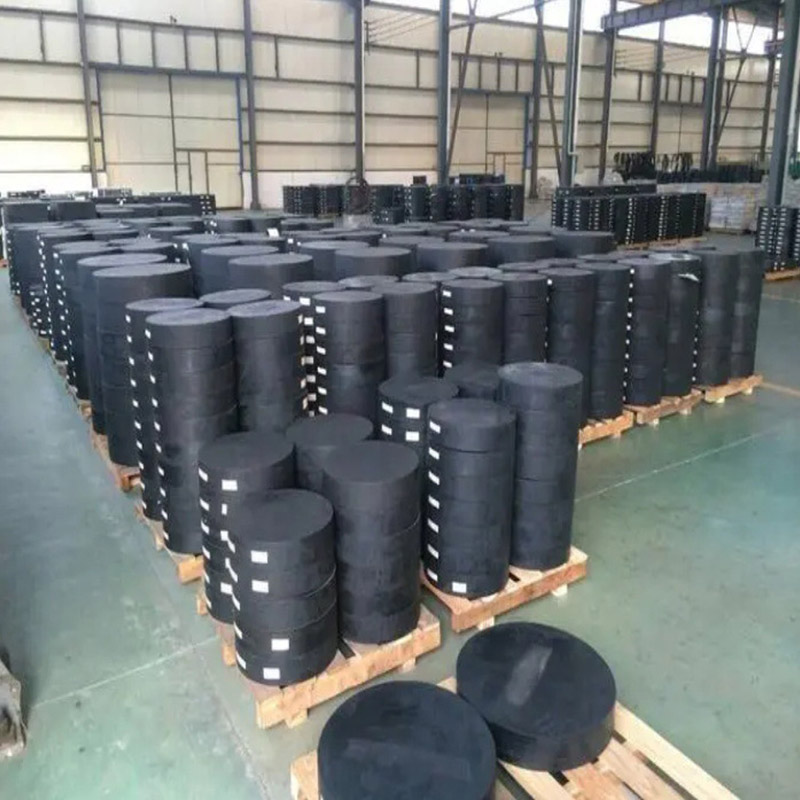 Is Your Bridge Bearing Pad Specified for the Wrong Rubber Grade? Why Elastomeric Bridge Bearing Pad Selection Decides 50-Year Deck Life
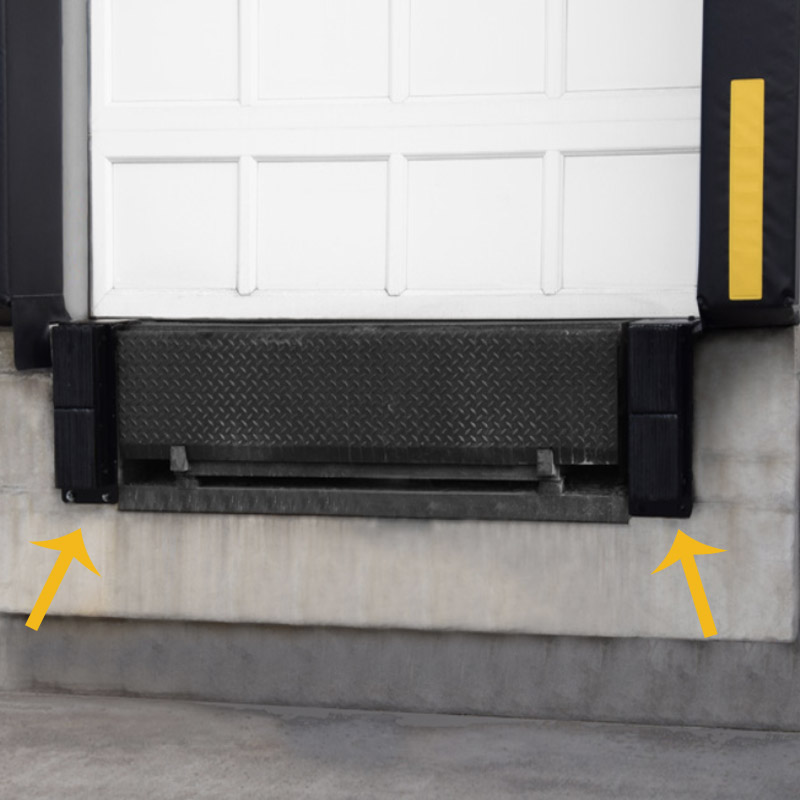 Can a Loading Dock Bumper Survive -30°C Winters and +50°C Summers? Here Is the Extreme-Weather Data
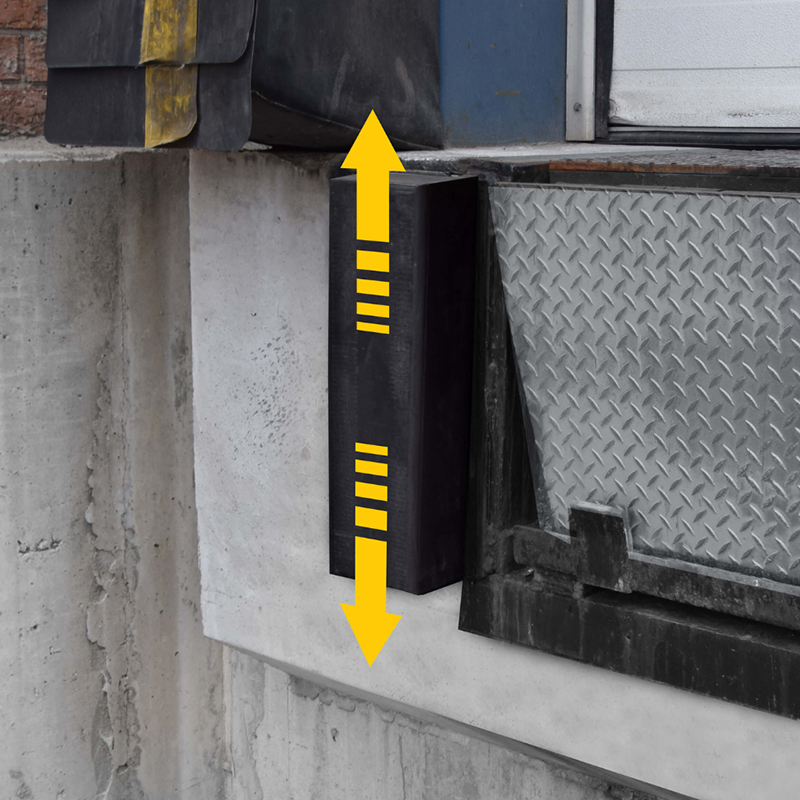 Are Your Dock Bumpers Specified for the Wrong Impact Profile? Why a Loading Dock Bumper with a Steel Face Outperforms in Real Traffic