
Flexible pipe couplings are essential components in plumbing, industrial piping systems, and infrastructure projects. These devices connect pipes while accommodating movement, thermal expansion, and misalignment, reducing stress on the system. However, their lifespan varies significantly based on usage, environmental conditions, and maintenance practices. This article explores the factors influencing the durability of flexible pipe couplings and provides insights into maximizing their longevity.
Understanding Flexible Pipe Couplings
Flexible pipe couplings are designed to join pipes of the same or different materials, sizes, or types. Unlike rigid couplings, they allow limited movement, which helps prevent leaks and structural damage caused by ground shifts, vibrations, or temperature fluctuations. Common applications include residential plumbing, municipal water systems, and industrial machinery.
The lifespan of these couplings depends on their construction. Most are made from durable materials like stainless steel, rubber, or reinforced polymers, which resist corrosion and wear. However, even high-quality materials degrade over time, especially when exposed to harsh chemicals, extreme temperatures, or physical stress.
Key Factors Affecting Lifespan
Several variables impact how long a flexible pipe coupling lasts. Understanding these factors can help users anticipate replacement needs and avoid costly failures.
1. Environmental Conditions
Couplings installed outdoors or in humid environments face accelerated wear. UV exposure, moisture, and temperature swings cause materials like rubber to deteriorate faster. For example, a coupling in a subtropical climate may last half as long as one in a temperate region. Similarly, corrosive soils or industrial settings with chemical fumes can shorten lifespan by attacking metal components.
2. Material Quality and Design
The choice of materials directly influences durability. Stainless steel couplings resist rust but may fail if exposed to chlorine-rich water. Rubber gaskets, while flexible, can crack under prolonged pressure or UV exposure. Advanced designs, such as those with reinforced seals or multiple layers, often outlast basic models.
3. Installation Practices
Improper installation is a leading cause of premature failure. Over-tightening couplings can strain gaskets, while under-tightening may lead to leaks. Misaligned pipes also create uneven stress, reducing lifespan. Following manufacturer guidelines and using calibrated tools during installation is critical.
4. Usage and Load Demands
The frequency of use and pressure levels matter. High-pressure systems, such as those in commercial buildings, place greater stress on couplings than residential setups. Similarly, couplings in pipelines carrying abrasive materials (e.g., wastewater with solids) wear out faster due to friction.
5. Maintenance and Inspections
Regular inspections can identify signs of wear, such as cracks, rust, or leaks, before catastrophic failure occurs. Proactive maintenance, like replacing gaskets or tightening loose connections, extends lifespan. Neglecting upkeep, however, can halve a coupling’s expected service life.
Average Lifespan Expectations
While no two couplings age the same, industry data provides general guidelines. In ideal conditions (e.g., indoor use, low pressure, proper maintenance), a flexible coupling may last 15–20 years. However, in harsh environments (e.g., outdoor exposure, chemical contact), lifespan could drop to 5–10 years. Industrial applications with heavy usage might see replacements needed every 3–5 years.
It’s important to note that these are estimates. A coupling in a well-maintained residential system could outlast its expected lifespan, while one in a neglected commercial setup might fail prematurely.
Signs of Wear and When to Replace
Recognizing early warning signs prevents system failures and water damage. Key indicators include:
Visible cracks or bulges: Rubber or polymer components may split under pressure.
Leaks: Even minor drips suggest a failing seal.
Corrosion: Rust on metal parts weakens structural integrity.
Excessive movement: Loose couplings indicate worn gaskets or improper installation.
If any of these signs appear, replacement is advisable. Waiting can lead to pipe bursts, flooding, or costly repairs.
Extending the Lifespan of Flexible Pipe Couplings
Proactive measures can maximize durability and reduce replacement costs.
1. Choose the Right Material
Select couplings designed for the application. For example, use UV-resistant models for outdoor installations or corrosion-resistant alloys in chemical-heavy environments.
2. Follow Installation Best Practices
Ensure pipes are aligned and couplings are tightened to manufacturer specifications. Avoid over-torquing, which damages seals.
3. Schedule Regular Inspections
Inspect couplings annually in residential settings and more frequently in industrial or high-risk environments. Look for signs of wear and address issues immediately.
4. Monitor Environmental Conditions
If possible, shield couplings from direct sunlight, extreme temperatures, or chemical exposure. Insulating pipes in cold climates prevents freezing, which can crack couplings.
5. Upgrade When Needed
Older systems with outdated coupling designs may benefit from modern, more durable alternatives. Consult a professional to assess upgrade options.
Case Studies: Real-World Examples
Residential Plumbing: A homeowner in Arizona replaced a flexible coupling after 12 years due to UV-induced cracking. The new coupling, rated for outdoor use, lasted 18 years with annual inspections.
Municipal Water System: A city in the Northeast upgraded to stainless steel couplings in a corrosive soil area. The old cast-iron couplings lasted 8 years, while the new ones remained functional after 15.
Industrial Facility: A manufacturing plant replaced rubber couplings with reinforced polymer models in a high-vibration area. The upgrade reduced replacement frequency from every 4 years to every 7.
These examples highlight how material choice and environmental awareness impact lifespan.
Conclusion
Flexible pipe couplings are indispensable for maintaining reliable piping systems, but their longevity hinges on proper selection, installation, and maintenance. By understanding the factors that influence durability and adopting proactive strategies, users can extend lifespan, reduce costs, and avoid disruptions. Whether in a home, city infrastructure, or industrial setting, investing in quality couplings and regular care pays dividends in reliability and safety.
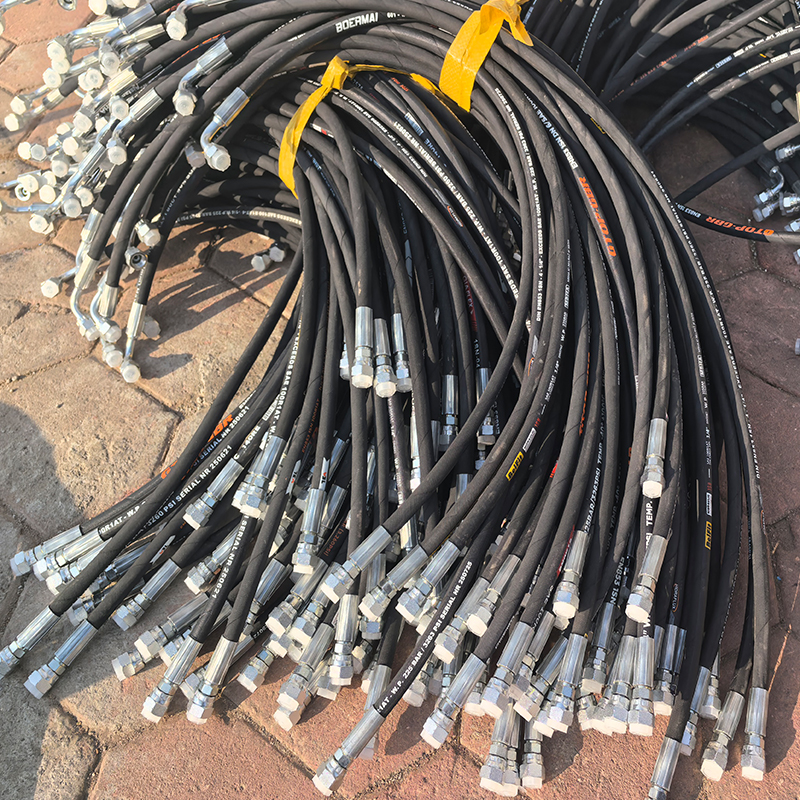 How to Create a Proactive Spiral Hydraulic Hose Replacement Plan That Prevents Downtime?
 Is Your Hydraulic System Overstressing? 5 Diagnostic Signs You Need to Upgrade to Spiral Hose
 Is Your Hydraulic System Pushing Limits? When to Specify Spiral Hose vs. Braided?
 Is Your Machinery Demanding More? Why Upgrade to a Spiral Hydraulic Hose?