
In industrial systems, thermal expansion stress is a silent but formidable challenge. When fluids flow through pipelines, temperature fluctuations—whether from heated steam, chilled liquids, or environmental changes—cause pipes to expand or contract. Over time, this repeated movement can lead to leaks, cracks, or catastrophic failures. Enter flexible pipe couplings: a clever engineering solution designed to mitigate these risks. But how exactly do these unassuming components work to protect pipelines? Let’s explore the mechanics, benefits, and real-world applications of flexible couplings in reducing thermal stress.
The Science Behind Thermal Expansion in Pipes
To understand the problem, it’s essential to grasp why thermal expansion occurs. Most materials, including metals and plastics used in pipelines, expand when heated and contract when cooled. For example, a 100-foot steel pipe heated by 100°F can expand by over an inch. In rigid systems, this expansion creates immense pressure at connection points, such as flanges or welds, leading to fatigue and eventual failure. Traditional solutions, like expansion loops or bellows, add complexity and cost. Flexible couplings, however, offer a simpler alternative by absorbing movement directly at the joint.
How Flexible Couplings Absorb Movement
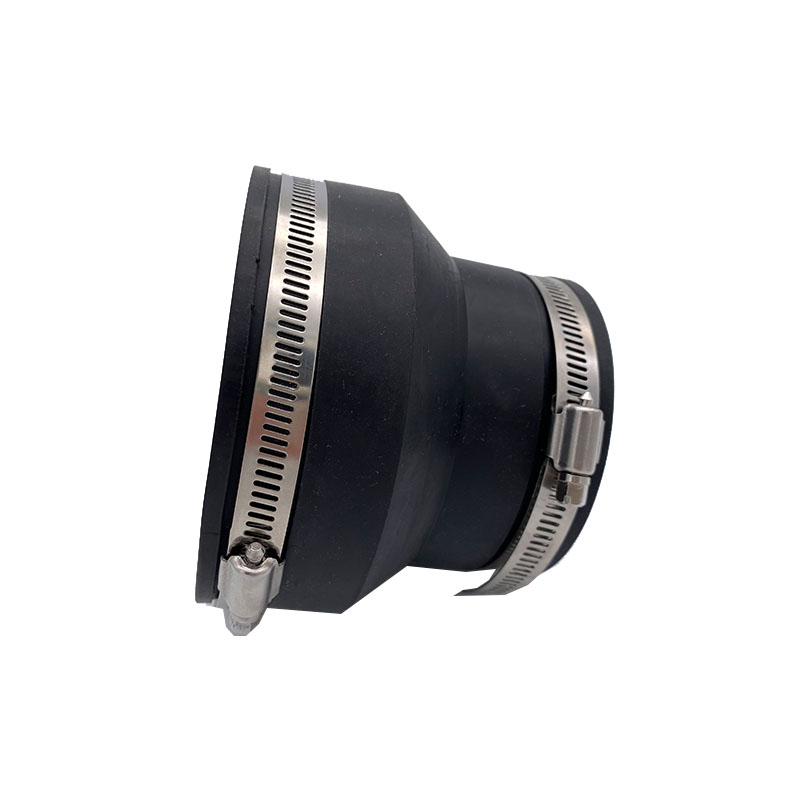
Flexible pipe couplings are designed with materials that allow controlled flexibility, such as reinforced rubber, stainless steel bellows, or composite alloys. These components act as shock absorbers, accommodating axial, lateral, and angular movements caused by thermal changes. Unlike rigid couplings, which lock pipes in place, flexible versions permit slight shifts without transferring stress to the pipeline. For instance, a coupling with a corrugated stainless steel sleeve can compress or extend to absorb expansion, while rubber gaskets provide sealing integrity. This dual functionality ensures the system remains leak-free even under dynamic conditions.
Reducing Stress Concentration at Connection Points
One of the most critical advantages of flexible couplings is their ability to distribute stress evenly. In rigid systems, thermal expansion creates concentrated pressure at joints, which are often the weakest points in a pipeline. Flexible couplings act as a buffer, spreading the force across a larger area. This prevents localized damage and extends the lifespan of both the coupling and the connected pipes. For example, in a high-temperature steam line, a flexible coupling can reduce peak stress by up to 70% compared to a rigid joint, significantly lowering the risk of cracks or leaks.
Enhancing System Longevity Through Vibration Dampening
Thermal expansion isn’t the only enemy of pipelines—vibration from pumps, motors, or flowing fluids can also accelerate wear. Flexible couplings address this by dampening vibrations, reducing metal fatigue and noise. This is particularly valuable in industrial settings where machinery operates continuously. By absorbing both thermal and mechanical energy, flexible couplings create a more stable system. Over time, this translates to fewer repairs, lower maintenance costs, and longer operational life for the entire pipeline network.
Simplifying Installation and Maintenance
Traditional methods for managing thermal expansion, such as installing expansion loops or anchors, require precise calculations and significant space. Flexible couplings, by contrast, are compact and easy to install. They don’t need complex engineering designs or additional support structures, making them ideal for retrofitting existing systems. Maintenance is equally straightforward: couplings can be inspected and replaced quickly without disrupting the entire pipeline. This plug-and-play functionality saves time and money, especially in large-scale industrial or commercial applications.
Cost-Effectiveness Compared to Alternative Solutions
While the upfront cost of flexible couplings may be higher than rigid alternatives, their long-term savings are substantial. By preventing leaks, reducing downtime, and minimizing repair frequency, they offer a strong return on investment. In contrast, rigid systems often incur hidden costs, such as premature pipe replacement or environmental damage from spills. Flexible couplings also eliminate the need for specialized tools or skilled labor during installation, further lowering expenses. For facilities looking to optimize their budgets without compromising safety, flexible couplings are a smart choice.
Real-World Applications Across Industries
The versatility of flexible couplings makes them indispensable across sectors. In HVAC systems, they accommodate temperature swings in chilled water or heating lines. In chemical plants, they handle corrosive fluids while compensating for thermal changes. Even in residential plumbing, flexible couplings prevent noise and leaks caused by water heater expansion. Their adaptability stems from customizable materials and designs, ensuring compatibility with diverse pressures, temperatures, and media. This universal applicability underscores their role as a foundational component in modern pipeline engineering.
Conclusion: The Future of Stress-Free Pipelines
As industries push toward higher efficiency and sustainability, managing thermal expansion stress becomes increasingly critical. Flexible pipe couplings offer a proven, cost-effective solution that enhances safety, reliability, and performance. By absorbing movement, distributing stress, and dampening vibrations, they protect pipelines from the hidden dangers of temperature fluctuations. For engineers, facility managers, and maintenance teams, investing in flexible couplings isn’t just about fixing a problem—it’s about future-proofing their systems for decades to come. In the dynamic world of pipeline design, flexibility isn’t just an option; it’s a necessity.
 How to Create a Proactive Spiral Hydraulic Hose Replacement Plan That Prevents Downtime?
 Is Your Hydraulic System Overstressing? 5 Diagnostic Signs You Need to Upgrade to Spiral Hose
 Is Your Hydraulic System Pushing Limits? When to Specify Spiral Hose vs. Braided?
 Is Your Machinery Demanding More? Why Upgrade to a Spiral Hydraulic Hose?