
Steam systems are the unsung heroes of industrial and commercial infrastructure, powering everything from heating systems to heavy machinery. But when it comes to connecting pipes in these high-pressure, high-temperature environments, engineers face a critical question: Are flexible pipe couplings up to the task? While rigid couplings have long dominated steam applications, flexible alternatives are gaining attention for their potential to reduce stress and simplify installations. Let’s explore whether these adaptable components can truly thrive in the demanding world of steam.
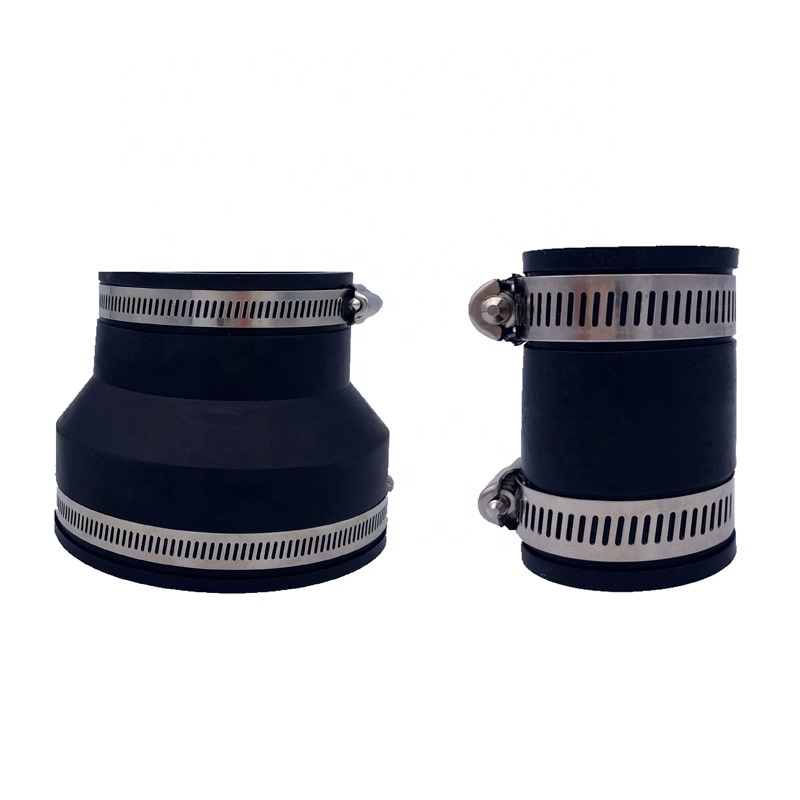
The Role of Pipe Couplings in Steam Systems
Before evaluating flexibility, it’s essential to understand why couplings matter in steam systems. These components connect pipes, ensuring seamless flow while accommodating thermal expansion, vibrations, and misalignment. Traditional rigid couplings rely on bolted flanges or welded joints to create a fixed, leak-proof seal. While effective in stable conditions, they struggle when pipes expand due to heat or shift from vibrations, leading to stress fractures or joint failures over time.
Steam systems exacerbate these challenges. The extreme temperatures and pressures involved demand materials and designs that won’t degrade or warp. A coupling that fails here could cause costly downtime, safety hazards, or even catastrophic leaks. This raises the stakes: Can flexible couplings offer the same reliability as rigid ones without compromising safety?
The Basics of Flexible Pipe Couplings
Flexible couplings differ from rigid ones by incorporating materials or designs that allow controlled movement. They might use elastomeric sleeves, bellows, or articulated joints to absorb vibrations, compensate for misalignment, or accommodate thermal expansion. Their primary advantage lies in reducing stress on pipes and joints, which can extend system lifespan and minimize maintenance.
For example, a coupling with a rubberized sleeve can bend slightly to absorb vibrations from a steam turbine, preventing metal fatigue. Similarly, a bellows-style coupling can expand or contract as pipes heat up or cool down, avoiding the rigid strain that causes cracks. These features make flexible couplings popular in plumbing and HVAC systems, but steam applications demand stricter scrutiny.
Key Challenges: Heat, Pressure, and Material Integrity
Steam systems operate in a league of their own. Water vapor at 250°F exerts roughly 35 psi of pressure, while industrial systems often exceed 600°F and 1,000 psi. These conditions test the limits of any coupling material. Flexible couplings must resist:
Thermal Degradation: High temperatures can cause elastomers to harden or rubber to melt, compromising flexibility.
Pressure Leaks: Even minor gaps in a flexible joint could release scalding steam, posing safety risks.
Corrosion: Steam systems often use treated water, but impurities or chemicals can corrode metal components over time.
Rigid couplings sidestep some of these issues by using materials like stainless steel or carbon steel, which handle heat and pressure predictably. Flexible couplings, however, must balance adaptability with durability—a challenge that requires innovative engineering.
When Flexibility Adds Value
Despite the hurdles, flexible couplings shine in specific steam scenarios:
Thermal Expansion Compensation: In long steam pipelines, pipes expand significantly when heated. Flexible couplings with bellows or sliding joints can absorb this movement, reducing stress on rigid components.
Vibration Damping: Steam turbines or pumps generate vibrations that can loosen rigid joints. Flexible couplings act as shock absorbers, protecting the system from fatigue.
Misalignment Tolerance: During installation or repairs, pipes may not align perfectly. A flexible coupling can bridge minor gaps, simplifying assembly without sacrificing performance.
For instance, a hospital’s steam heating system might use flexible couplings to minimize noise and wear caused by frequent start-stop cycles. Similarly, food processing plants could rely on them to handle thermal shifts in sterilization systems.
Limitations to Consider
Flexible couplings aren’t a universal solution. Their drawbacks include:
Higher Initial Cost: Advanced materials and designs often come with a premium price tag compared to rigid couplings.
Complex Installation: Some flexible couplings require precise alignment or torque specifications to function safely, increasing labor costs.
Maintenance Needs: Elastomeric components may need periodic replacement due to wear, especially in harsh environments.
Pressure Limits: Not all flexible couplings can handle the ultra-high pressures of industrial steam boilers, restricting their use to lower-pressure applications.
For critical systems like power plants or chemical refineries, the risks of failure may outweigh the benefits of flexibility. In such cases, rigid couplings remain the gold standard.
Making the Right Choice: Factors to Evaluate
Deciding between flexible and rigid couplings hinges on several factors:
System Requirements: Assess temperature, pressure, and flow rates. Flexible couplings are better suited for moderate conditions.
Environmental Conditions: Consider exposure to chemicals, UV light, or abrasive particles, which can degrade materials faster.
Budget Constraints: Weigh long-term maintenance costs against upfront savings from rigid couplings.
Safety Standards: Ensure the coupling meets industry certifications, such as ASME or ASTM, for steam applications.
Consulting with engineers or manufacturers during the design phase can help identify the best fit. For example, a brewery’s steam-powered pasteurization system might prioritize flexibility to accommodate thermal cycling, while a nuclear plant’s steam generators would demand rigid, fail-safe joints.
Conclusion: Flexibility as a Tool, Not a Rule
Flexible pipe couplings offer compelling advantages for steam systems, particularly in scenarios involving thermal expansion, vibrations, or misalignment. Their ability to reduce stress and simplify installations makes them a valuable tool in an engineer’s toolkit. However, they’re not a replacement for rigid couplings in high-pressure or mission-critical environments where reliability is non-negotiable.
The key lies in matching the coupling to the system’s needs. By evaluating operational conditions, safety requirements, and long-term costs, professionals can determine whether flexibility enhances performance or introduces unnecessary risks. As steam technology evolves, so too will the materials and designs of flexible couplings—opening doors to new applications where adaptability and strength coexist.
In the end, the question isn’t whether flexible couplings are suitable for all steam systems, but whether they’re suitable for yours. With careful planning, the answer might just be yes.
 How to Create a Proactive Spiral Hydraulic Hose Replacement Plan That Prevents Downtime?
 Is Your Hydraulic System Overstressing? 5 Diagnostic Signs You Need to Upgrade to Spiral Hose
 Is Your Hydraulic System Pushing Limits? When to Specify Spiral Hose vs. Braided?
 Is Your Machinery Demanding More? Why Upgrade to a Spiral Hydraulic Hose?