
For automotive enthusiasts, ensuring every component of a high-performance vehicle operates at peak efficiency is non-negotiable. Among these components, the hub oil seal plays a critical yet often overlooked role in maintaining drivetrain integrity. This small but mighty part prevents lubricant leaks and keeps contaminants out of wheel hubs, bearings, and axles. Choosing the right hub oil seal requires understanding material compatibility, environmental factors, and performance demands. Below, we explore key considerations to help drivers make informed decisions.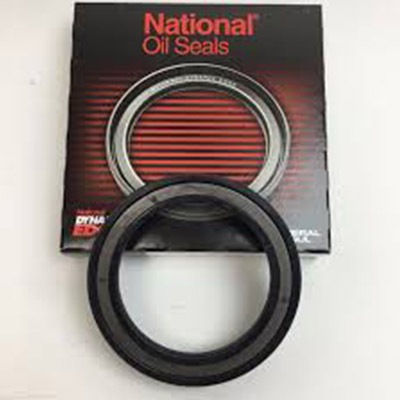
Understanding the Role of a Hub Oil Seal
Before diving into selection criteria, it’s essential to grasp why hub oil seals matter. These seals act as barriers between moving parts and external elements. In high-performance cars, where speeds and temperatures soar, a compromised seal can lead to catastrophic failures. For instance, a leaking seal might allow grease to escape, causing premature bearing wear or axle damage. Conversely, a seal that fails to block dirt and moisture could corrode internal components. By prioritizing quality and compatibility, drivers safeguard both performance and longevity.
Material Matters: Balancing Durability and Flexibility
Hub oil seals are crafted from various materials, each with pros and cons. Traditional rubber seals remain popular due to their affordability and flexibility, but they may degrade under extreme heat or chemical exposure. For high-performance applications, silicone or fluorocarbon-based seals offer superior heat resistance and chemical stability. These materials withstand temperatures exceeding 300°F, making them ideal for track-focused vehicles or regions with scorching climates.
Metal-reinforced seals provide additional rigidity, preventing deformation under high pressure. However, they may lack the flexibility needed for certain hub designs. Drivers should weigh their vehicle’s operating conditions—such as frequent high-speed runs or exposure to road salt—against material properties to strike the right balance.
Sizing and Fitment: Precision Is Key
A seal that’s even slightly misaligned can lead to leaks or excessive friction. To avoid this, accurate measurements of the hub’s inner diameter, outer diameter, and width are crucial. Many seals are designed for specific axle or bearing sizes, so referencing the vehicle’s service manual or consulting a mechanic ensures compatibility.
Custom solutions may be necessary for modified or vintage cars with non-standard dimensions. In such cases, working with a reputable supplier who offers machining services can provide a tailor-made fit. Remember: a seal that’s too tight might cause overheating, while one that’s too loose invites leaks.
Environmental Factors: Adapting to Driving Conditions
High-performance cars aren’t always confined to smooth highways. Off-road enthusiasts or those tackling muddy tracks need seals that repel abrasive particles. Dual-lip designs, which feature an additional barrier layer, excel in such environments by trapping debris before it reaches critical components.
In wet climates, seals with rust-resistant coatings or stainless-steel casings prevent corrosion. Conversely, drivers in arid regions might prioritize UV-resistant materials to combat prolonged sun exposure. Assessing local weather and terrain helps narrow down options.
Performance Demands: High-Speed and High-Stress Considerations
Vehicles built for speed or heavy towing subject hub oil seals to extreme stress. At high RPMs, centrifugal force can push lubricants outward, increasing leakage risk. Seals with integrated spring mechanisms maintain contact with rotating surfaces, ensuring a tight seal even under duress.
For cars with upgraded powertrains, consider seals rated for higher torque or pressure thresholds. These are often marked with specifications like “high-performance” or “heavy-duty” in product descriptions. When in doubt, opting for a seal designed for motorsport applications—where reliability is paramount—can provide peace of mind.
Installation and Maintenance: Ensuring Longevity
Even the best seal will fail if installed incorrectly. Clean the hub and axle thoroughly before fitting to remove old grease or debris. Use manufacturer-recommended lubricants to ease installation and prevent premature wear. Avoid over-tightening, which can distort the seal, and check for proper alignment with the hub’s lip.
Regular inspections are equally vital. Look for cracks, hardening, or discoloration during oil changes or tire rotations. Replacing seals every 50.000 miles—or sooner if signs of wear appear—can prevent costly repairs down the line.
Cost vs. Quality: Investing Wisely
While budget-friendly seals exist, cutting corners on this component risks damaging expensive drivetrain parts. High-performance seals typically cost 20–50% more than standard options but offer longer service life and better protection. Think of it as insurance against future breakdowns.
Warranties and certifications also matter. Reputable manufacturers often back their products with multi-year guarantees, reflecting confidence in durability. Prioritize seals that meet industry standards like SAE or ISO specifications for added assurance.
Conclusion: Making the Right Choice for Your Ride
Selecting a hub oil seal for a high-performance car isn’t a one-size-fits-all process. It requires evaluating materials, fitment, environmental factors, and driving habits. By investing time in research and prioritizing quality over price, drivers can ensure their vehicles run smoothly mile after mile. Whether hitting the track or cruising city streets, the right seal keeps performance—and peace of mind—intact.
 How to Create a Proactive Spiral Hydraulic Hose Replacement Plan That Prevents Downtime?
 Is Your Hydraulic System Overstressing? 5 Diagnostic Signs You Need to Upgrade to Spiral Hose
 Is Your Hydraulic System Pushing Limits? When to Specify Spiral Hose vs. Braided?
 Is Your Machinery Demanding More? Why Upgrade to a Spiral Hydraulic Hose?