
Vehicle maintenance often involves addressing mysterious leaks or unusual noises, and one component that occasionally raises concerns is the hub oil seal. This small but critical part keeps lubricants contained within wheel hubs and bearings while preventing contaminants from entering. A common question among drivers is whether overheating can cause this seal to fail. The answer lies in understanding how heat interacts with materials, lubrication systems, and mechanical stress. Below, we explore the factors that contribute to hub oil seal failures linked to overheating, offering insights for vehicle owners seeking to protect their investments.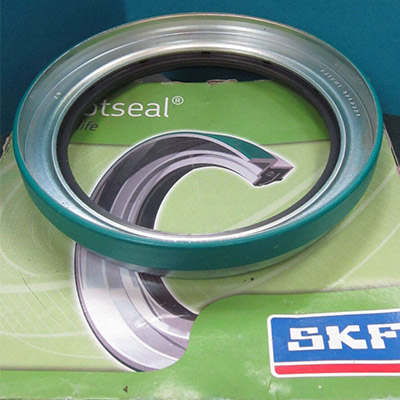
The Role of the Hub Oil Seal
Before diving into overheating, it’s essential to grasp the hub oil seal’s primary function. Located where the wheel hub meets the axle, this seal acts as a barrier between the bearing’s lubricating grease and external elements like water, dirt, and road salt. By maintaining a clean, greased environment, the seal ensures smooth bearing rotation, reduces friction, and prevents premature wear. A compromised seal can lead to grease leakage, bearing contamination, or complete failure—all of which threaten vehicle safety and performance.
How Overheating Affects Seal Materials
Hub oil seals are typically made from rubber or silicone compounds designed to withstand temperature fluctuations. However, excessive heat can degrade these materials over time. When temperatures surpass the seal’s rated tolerance, the rubber may harden, crack, or lose elasticity. This deterioration creates gaps between the seal and its housing, allowing grease to escape or contaminants to infiltrate.
For example, prolonged exposure to heat from brake systems or overloaded axles can push seals beyond their limits. In extreme cases, the seal might melt or warp, rendering it ineffective. While modern seals are engineered for durability, they are not immune to the cumulative effects of sustained high temperatures.
Overheating and Lubrication Breakdown
Heat doesn’t just damage the seal itself—it also impacts the lubricant it’s designed to protect. Grease within wheel bearings has a specific temperature range for optimal performance. When overheating occurs, the grease can thin out or chemically break down, losing its ability to reduce friction. This increases heat generation within the bearing, creating a vicious cycle: as friction rises, so does the temperature, further stressing the seal and lubricant.
In scenarios like towing heavy loads or driving in mountainous terrain, the added strain on wheel bearings can elevate temperatures significantly. Without proper cooling or adequate grease, the system becomes vulnerable to seal failure and accelerated component wear.
External Heat Sources and Their Impact
While internal friction is a common cause of overheating, external factors can also play a role. Brake systems, for instance, generate intense heat during repeated hard stops or prolonged downhill braking. If the wheel hub is positioned too close to hot brake components, residual heat can transfer to the seal and bearing assembly. Similarly, driving in high-temperature environments—such as desert regions or during summer heatwaves—can elevate operating temperatures beyond normal levels.
Vehicle design and maintenance practices influence how well these systems manage heat. For example, insufficient ventilation or clogged cooling ducts can trap heat around the hub, increasing the risk of seal damage. Regular inspections and cleanings can mitigate such risks.
Symptoms of Overheating-Related Seal Failure
Identifying a failing hub oil seal early can prevent costly repairs. Drivers should watch for signs such as:
Grease leaks around the wheel hub or along the tire sidewall.
Unusual noises, like grinding or humming, indicating bearing damage.
Excessive heat emanating from the wheel area after driving.
Uneven tire wear, which may result from bearing misalignment caused by lubricant loss.
If these symptoms arise, it’s crucial to address them promptly. Ignoring a leaking seal can lead to bearing seizure, wheel detachment, or loss of vehicle control.
Preventative Measures to Avoid Overheating
Proactive maintenance is key to extending the life of hub oil seals. Here are practical steps drivers can take:
Follow load recommendations: Overloading a vehicle strains wheel bearings and generates excess heat.
Inspect brakes regularly: Worn brake pads or calipers can cause prolonged friction, raising hub temperatures.
Use high-quality grease: Synthetic greases often resist breakdown better than conventional options under high heat.
Check cooling systems: Ensure brake ducts and wheel well vents are free of debris to promote airflow.
Avoid prolonged idling: In hot weather, minimize time spent idling with the brakes applied, as this concentrates heat.
When to Seek Professional Help
While some maintenance tasks can be performed at home, diagnosing and replacing a hub oil seal often requires specialized tools and expertise. If you notice signs of leakage or hear unusual noises, consult a certified mechanic. They can assess whether the issue stems from overheating, improper installation, or another underlying problem. Additionally, professionals can recommend upgrades, such as high-temperature seals, for vehicles frequently exposed to extreme conditions.
Conclusion: Balancing Heat and Durability
The hub oil seal’s vulnerability to overheating underscores the importance of holistic vehicle care. By understanding how heat affects materials, lubrication, and surrounding components, drivers can take steps to mitigate risks and prolong seal life. Regular inspections, mindful driving habits, and timely repairs form the foundation of a reliable maintenance strategy. While no component is indestructible, a proactive approach ensures that even small parts like hub oil seals continue to perform their vital role safely and efficiently.
 How to Create a Proactive Spiral Hydraulic Hose Replacement Plan That Prevents Downtime?
 Is Your Hydraulic System Overstressing? 5 Diagnostic Signs You Need to Upgrade to Spiral Hose
 Is Your Hydraulic System Pushing Limits? When to Specify Spiral Hose vs. Braided?
 Is Your Machinery Demanding More? Why Upgrade to a Spiral Hydraulic Hose?