
For many Americans, vehicles are more than just transportation—they’re a lifeline to work, family, and adventure. Yet, few drivers consider the tiny components that keep their wheels turning smoothly until something goes wrong. One such unsung hero is the hub oil seal, a critical part that prevents lubricants from leaking and contaminants from entering wheel hubs. While often overlooked, its lifespan is deeply influenced by environmental factors, particularly temperature. This article explores how heat and cold affect hub oil seal durability, offering insights to help drivers protect their vehicles and avoid costly repairs.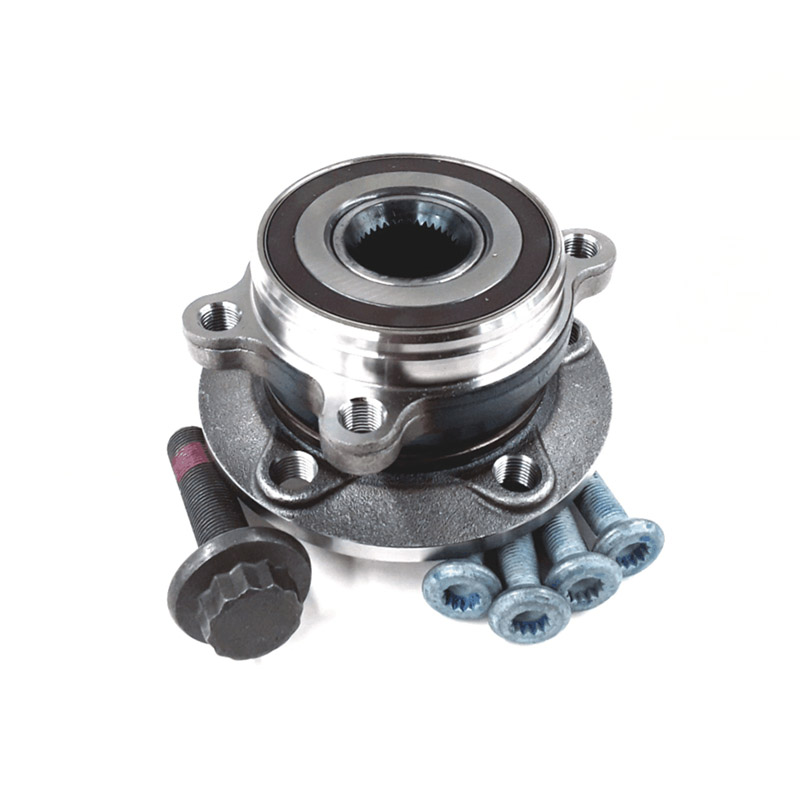
The Role of Hub Oil Seals in Vehicle Maintenance
Hub oil seals act as gatekeepers for wheel hub assemblies, ensuring that grease stays inside to lubricate bearings while keeping water, dirt, and road salt out. These seals are typically made from rubber or synthetic materials designed to withstand friction, pressure, and temperature fluctuations. However, their effectiveness isn’t infinite. Over time, exposure to extreme temperatures can degrade the seal material, leading to cracks, hardening, or loss of elasticity. When this happens, lubricant leaks can occur, causing premature bearing failure, uneven tire wear, or even wheel detachment—a safety hazard no driver wants to risk.
How High Temperatures Accelerate Wear and Tear
In regions with sweltering summers, such as the Southwestern United States, hub oil seals face relentless heat. Prolonged exposure to high temperatures causes the seal material to soften and lose structural integrity. This process, known as thermal degradation, makes seals more susceptible to damage from vibrations or debris. Additionally, heat thickens the grease inside hub assemblies, reducing its ability to flow and lubricate bearings effectively. As friction increases, the seal must work harder to contain the pressurized lubricant, leading to faster wear.
Drivers in hot climates may notice symptoms like grease stains on rims or a grinding noise from the wheels. These signs indicate that seals are struggling to cope with the heat. Regular inspections during oil changes or tire rotations can help catch issues early, but prevention is key. Parking in shaded areas or using wheel covers during peak summer months can mitigate heat exposure, extending seal lifespan.
The Hidden Dangers of Cold Weather
While heat poses obvious challenges, cold temperatures are equally destructive. In northern states like Minnesota or Alaska, winters bring subzero conditions that cause rubber seals to stiffen and lose flexibility. A brittle seal cannot maintain a tight seal around spinning axles, allowing moisture and road salt to infiltrate the hub assembly. Over time, this leads to corrosion, which weakens bearings and creates potholes for contaminants to enter.
Cold-induced contraction is another issue. As temperatures drop, metal components in the hub assembly shrink at different rates than rubber seals, creating gaps where leaks can form. Drivers might experience stiff steering or unusual vibrations—early warnings that seals are compromised. To combat these effects, mechanics often recommend using winter-grade grease that remains pliable in low temperatures and installing seal protectors to shield against ice and salt.
The Goldilocks Zone: Optimal Operating Temperatures
Hub oil seals thrive in moderate conditions, typically between 40°F and 90°F (4°C to 32°C). Within this range, rubber maintains its elasticity, and grease flows smoothly to lubricate bearings. However, maintaining this “Goldilocks zone” is easier said than done, especially for vehicles driven in extreme climates or towing heavy loads.
For drivers in variable weather regions, such as the Midwest, temperature swings pose a unique challenge. Frequent freezing and thawing cycles can cause seals to expand and contract repeatedly, leading to fatigue cracks. Using a high-quality synthetic seal material and ensuring proper hub assembly installation can help mitigate these risks. Regular maintenance, including bearing repacking and seal inspections, is also crucial.
Driving Habits That Influence Seal Health
Temperature isn’t the only factor affecting hub oil seal lifespan—driving behavior plays a significant role too. Aggressive braking, sudden acceleration, and hitting potholes or curbs generate excessive heat and stress on wheel components. For example, hard braking converts kinetic energy into heat, which can transfer to nearby hub assemblies and seals. Over time, this thermal stress accelerates degradation, even in mild climates.
Similarly, off-road driving or hauling heavy trailers increases the workload on wheel bearings, raising internal temperatures. Drivers who frequently tow boats or campers should be especially vigilant about seal maintenance, as the added strain shortens their effective lifespan. Smooth driving habits and avoiding overloading vehicles can significantly reduce wear on seals and related components.
When to Replace Hub Oil Seals: Signs to Watch For
No seal lasts forever, but knowing when to replace it can prevent minor issues from escalating into major repairs. Common warning signs include:
Grease leaks: Puddles or streaks of grease near the wheel hub indicate a failing seal.
Unusual noises: Grinding, clicking, or humming sounds often signal bearing damage caused by seal failure.
Wheel play: If wheels wobble when jacked up, it may be due to worn bearings or compromised seals.
Corrosion: Visible rust on the hub assembly suggests moisture ingress from a damaged seal.
Mechanics typically recommend replacing seals during bearing repairs or as part of routine maintenance every 50.000 to 100.000 miles, depending on driving conditions. However, drivers in extreme climates or those who frequently tow should consider more frequent inspections.
Conclusion: Protecting Your Investment Through Proactive Care
The hub oil seal may be small, but its impact on vehicle safety and performance is enormous. By understanding how temperature extremes affect seal durability, drivers can take proactive steps to extend their lifespan. Simple actions like parking in the shade, using climate-appropriate grease, and driving smoothly can make a world of difference. Regular maintenance and prompt attention to warning signs further ensure that wheel hubs remain sealed and functional for miles to come.
 How to Create a Proactive Spiral Hydraulic Hose Replacement Plan That Prevents Downtime?
 Is Your Hydraulic System Overstressing? 5 Diagnostic Signs You Need to Upgrade to Spiral Hose
 Is Your Hydraulic System Pushing Limits? When to Specify Spiral Hose vs. Braided?
 Is Your Machinery Demanding More? Why Upgrade to a Spiral Hydraulic Hose?