
In the realm of agriculture, equipment reliability is paramount. From tractors to irrigation systems, every component plays a crucial role in ensuring smooth and efficient operations. One often-overlooked yet essential element in this machinery is the rubber plug. These unassuming devices serve as vital seals, preventing leaks, protecting internal components, and maintaining the integrity of various systems. Whether you're dealing with hydraulic lines, fuel tanks, or water pumps, selecting the right rubber plug is critical. This guide aims to provide a comprehensive understanding of how to choose the best rubber plug for your agricultural equipment, balancing durability, compatibility, and cost-effectiveness.
Understanding the Importance of Rubber Plugs
Rubber plugs are used in agricultural equipment for a multitude of purposes, including sealing openings, protecting threaded holes, and acting as stoppers in fluid systems. They prevent moisture, dirt, and debris from entering sensitive areas, thereby extending the lifespan of the equipment and reducing maintenance costs. Moreover, they help maintain pressure in hydraulic systems and prevent fluid loss, which is vital for the proper functioning of machinery.
Factors to Consider When Choosing a Rubber Plug
Material Composition
The material of the rubber plug is perhaps the most critical factor to consider. Different rubber compounds offer varying levels of resistance to temperature, chemicals, abrasion, and pressure. For instance:
Nitrile (NBR) Rubber: Known for its oil resistance, NBR is ideal for applications involving petroleum-based fluids, fuels, and lubricants.
Ethylene Propylene Diene Monomer (EPDM) Rubber: Excellent for outdoor applications due to its resistance to weathering, ozone, and UV rays. It's also compatible with water and some chemicals.
Silicone Rubber: Offers high temperature resistance and is suitable for applications where extreme temperature fluctuations are expected. It's also non-reactive with many chemicals.
Neoprene Rubber: Provides good oil and weather resistance, making it suitable for general-purpose applications.
When selecting a material, consider the specific environment in which the plug will operate. Factors such as exposure to chemicals, temperature extremes, and mechanical stress will influence your choice.
Size and Shape
Rubber plugs come in various sizes and shapes to fit different applications. It's essential to measure the opening or component where the plug will be used accurately. A plug that is too small may fail to seal properly, while one that is too large could cause damage or leakage.
Additionally, consider the shape of the plug. Some may be tapered, while others are straight or have a flange for added security. The shape should match the contour of the opening to ensure a tight fit.
Pressure Rating
Agricultural equipment often operates under varying pressure conditions. It's crucial to choose a rubber plug with a pressure rating that exceeds the maximum expected operating pressure. This ensures the plug can withstand the force without deforming or failing, which could lead to leaks or equipment failure.
Chemical Compatibility
The rubber plug must be compatible with the fluids or materials it will come into contact with. Some rubbers may degrade or swell when exposed to certain chemicals, compromising their sealing ability. Consult a chemical compatibility chart to ensure the selected rubber plug won't react adversely with the fluids in your equipment.
Durability and Longevity
The durability of a rubber plug is influenced by its material, design, and manufacturing quality. Look for plugs made from high-quality rubber compounds that are known for their longevity. Reinforced plugs, with additional layers or embedded fibers, may offer extra strength and resistance to wear and tear.
Ease of Installation and Removal
A good rubber plug should be easy to install and remove without causing damage to the equipment or the plug itself. Consider plugs with a design that allows for quick and secure fitting, such as those with a ribbed or textured surface for better grip.
Cost-Effectiveness
While cost shouldn't be the sole determining factor, it's essential to consider the price in relation to the plug's performance and longevity. A higher initial cost may be justified if the plug offers superior durability and a longer lifespan, reducing the need for frequent replacements.
Tips for Selecting the Right Rubber Plug
Consult the Equipment Manufacturer: The manufacturer's recommendations are a great starting point. They often provide specific guidelines on the type and size of rubber plugs suitable for their equipment.
Assess the Operating Conditions: Understand the conditions under which the equipment will operate, including temperature ranges, exposure to chemicals, and pressure levels.
Read Reviews and Compare Products: Look for reviews from other farmers or industry professionals who have used similar rubber plugs. Their insights can provide valuable information on performance and reliability.
Consider Custom Solutions: If standard plugs don't meet your requirements, consider custom-made plugs. Many manufacturers offer bespoke solutions tailored to specific applications.
Keep Spares on Hand: Having spare rubber plugs on hand can minimize downtime in case of a failure. Store them in a cool, dry place away from direct sunlight and chemicals.
Choosing the best rubber plug for your agricultural equipment is a decision that should not be taken lightly. It involves a careful consideration of material composition, size and shape, pressure rating, chemical compatibility, durability, ease of installation, and cost-effectiveness. By understanding the specific needs of your equipment and the operating conditions it will face, you can make an informed decision that ensures reliability, performance, and longevity.
Remember, the right rubber plug can prevent costly repairs, reduce maintenance downtime, and contribute to the overall efficiency of your agricultural operations. Invest time in researching and selecting the best option for your needs, and your equipment will thank you with years of trouble-free service.
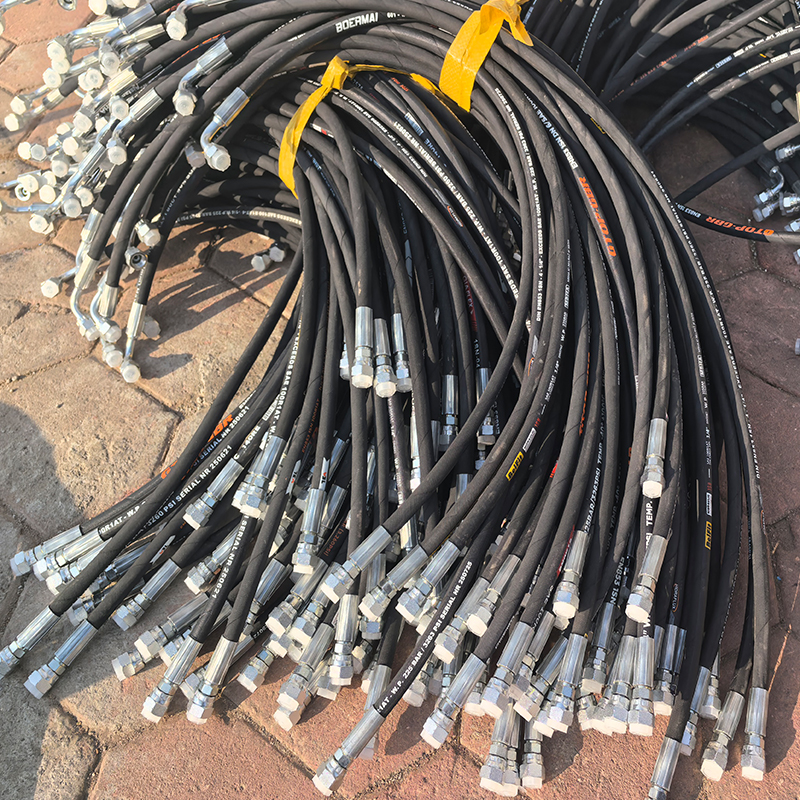 How to Create a Proactive Spiral Hydraulic Hose Replacement Plan That Prevents Downtime?
 Is Your Hydraulic System Overstressing? 5 Diagnostic Signs You Need to Upgrade to Spiral Hose
 Is Your Hydraulic System Pushing Limits? When to Specify Spiral Hose vs. Braided?
 Is Your Machinery Demanding More? Why Upgrade to a Spiral Hydraulic Hose?