
Corrosion is a pervasive issue that affects a wide range of industries, from automotive and aerospace to marine and infrastructure. It is a natural process that occurs when materials, particularly metals, react with their environment, leading to gradual degradation and, ultimately, failure. The economic impact of corrosion is substantial, with estimates suggesting that it costs billions of dollars annually in repair and replacement expenses worldwide. To mitigate this problem, various methods and materials have been developed, one of which is the humble rubber plug.
Rubber plugs may seem like a simple and unassuming solution, but they play a critical role in preventing corrosion by acting as a barrier between corrosive agents and the surfaces they are designed to protect. These plugs are versatile, cost-effective, and easy to install, making them a popular choice in numerous applications where corrosion prevention is a priority.
One of the primary functions of rubber plugs is to seal openings and gaps in structures and equipment. In many industrial settings, metal components often have holes or apertures for various purposes, such as drainage, ventilation, or the passage of wires and cables. These openings, if left unprotected, can allow moisture, salt, chemicals, and other corrosive substances to penetrate and come into contact with the underlying metal. Over time, this exposure can lead to the formation of rust, pitting, and other forms of corrosion, compromising the structural integrity and performance of the components.
Rubber plugs serve as an effective barrier against these corrosive agents. Made from durable, elastomeric materials, they can be tailored to fit snugly into openings of different shapes and sizes, creating a watertight and airtight seal. This seal prevents moisture and other corrosive substances from infiltrating the interior of the structure or equipment, thereby extending its lifespan and reducing the need for costly repairs or replacements.
In the automotive industry, rubber plugs are commonly used to protect the undercarriage of vehicles from road salt, water, and other debris. During the winter months, roads are often treated with salt to melt ice and snow, but this salt can be highly corrosive to metal surfaces. By sealing the various openings in the vehicle's undercarriage with rubber plugs, manufacturers can significantly reduce the risk of corrosion, ensuring that the vehicle remains in good condition for longer.
Similarly, in the marine industry, rubber plugs are essential for protecting boats and other watercraft from the corrosive effects of saltwater. Boats are constantly exposed to saltwater, which can quickly corrode metal components if left unprotected. By sealing openings with rubber plugs, boat builders can prevent saltwater from seeping into the hull, engine compartment, and other critical areas, thereby extending the life of the vessel and reducing maintenance costs.
In addition to their sealing properties, rubber plugs also offer excellent resistance to a wide range of chemicals and environmental conditions. Many elastomeric materials used to manufacture rubber plugs are specially formulated to withstand exposure to oils, fuels, solvents, and other harsh chemicals commonly found in industrial settings. This chemical resistance ensures that the plugs remain effective at preventing corrosion, even in the most demanding environments.
Furthermore, rubber plugs are highly durable and can withstand extreme temperatures, UV radiation, and mechanical stress without losing their sealing properties. This durability is crucial, as it ensures that the plugs will continue to provide reliable protection against corrosion over the long term, even in harsh or unpredictable conditions.
Another advantage of rubber plugs is their ease of installation and removal. Unlike some other corrosion prevention methods, which may require specialized tools or equipment, rubber plugs can be quickly and easily installed by hand. This makes them an ideal solution for applications where time is of the essence, or where frequent access to the protected area is necessary.
Moreover, rubber plugs are a cost-effective corrosion prevention solution. They are relatively inexpensive to manufacture and purchase, and their ease of installation reduces labor costs associated with corrosion protection. In addition, by extending the lifespan of equipment and structures, rubber plugs can help to offset the costs of repair and replacement, ultimately saving money in the long run.
Despite their many advantages, it is essential to select the right type of rubber plug for the specific application. Factors such as the size and shape of the opening, the type of corrosive agents present, and the operating conditions must be taken into account when choosing a rubber plug. For example, some elastomeric materials may be better suited to withstand certain chemicals or temperature extremes than others. Therefore, it is crucial to consult with a knowledgeable supplier or manufacturer to ensure that the selected rubber plug will provide the desired level of corrosion protection.
In conclusion, rubber plugs play a vital role in preventing corrosion by sealing openings and gaps in structures and equipment, thereby protecting them from exposure to corrosive agents. Their versatility, durability, chemical resistance, ease of installation, and cost-effectiveness make them an attractive solution for a wide range of industries and applications. By incorporating rubber plugs into their corrosion prevention strategies, organizations can extend the lifespan of their equipment and structures, reduce maintenance costs, and ultimately save money. As the battle against corrosion continues, rubber plugs will undoubtedly remain a valuable and indispensable tool in the fight to protect our valuable assets.
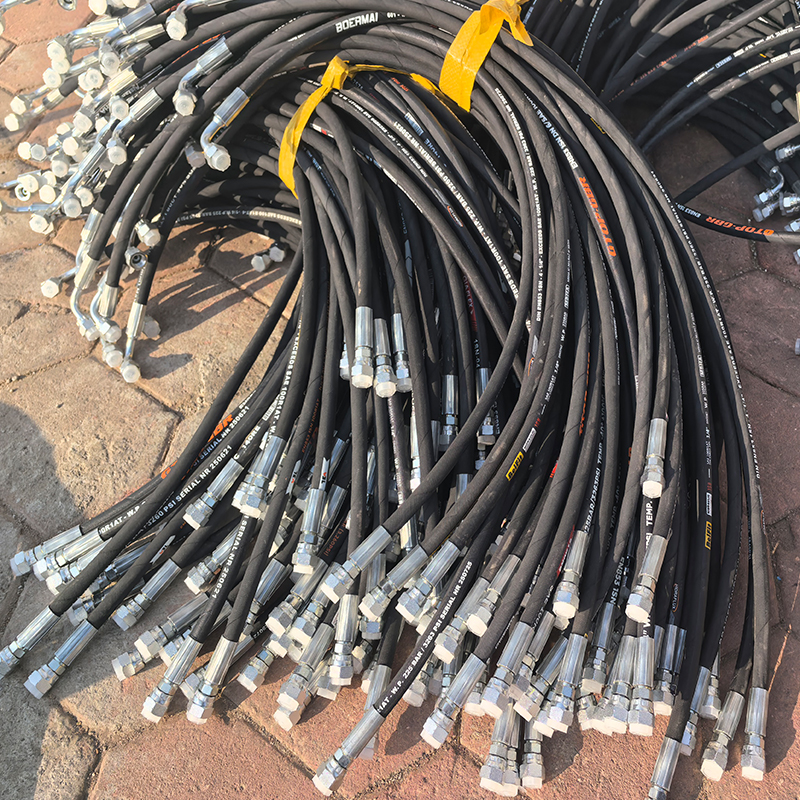 How to Create a Proactive Spiral Hydraulic Hose Replacement Plan That Prevents Downtime?
 Is Your Hydraulic System Overstressing? 5 Diagnostic Signs You Need to Upgrade to Spiral Hose
 Is Your Hydraulic System Pushing Limits? When to Specify Spiral Hose vs. Braided?
 Is Your Machinery Demanding More? Why Upgrade to a Spiral Hydraulic Hose?