
In the realm of vacuum technology, maintaining an airtight seal is paramount to ensuring the efficiency and functionality of various systems. One often-overlooked yet crucial component in achieving this seal is the rubber plug. Whether you're working in a laboratory, industrial setting, or even a DIY project that requires vacuum conditions, understanding how to effectively use rubber plugs can make a significant difference. This article delves into the technical aspects of selecting, installing, and maintaining rubber plugs in vacuum systems, offering practical tips to optimize their performance.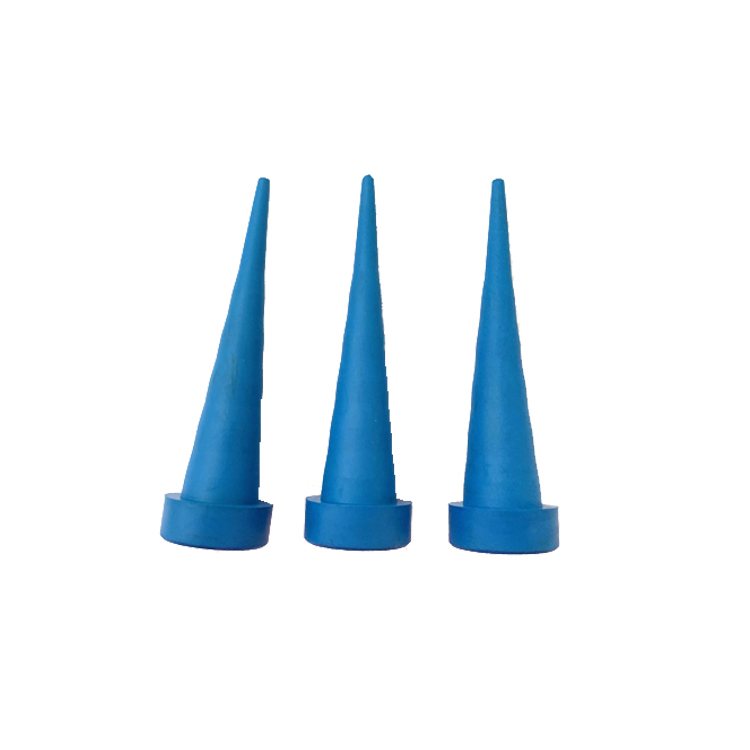
1. Understanding the Role of Rubber Plugs in Vacuum Systems
Rubber plugs serve as essential sealing components in vacuum systems, preventing air leakage and maintaining the desired vacuum level. They are typically used to seal openings, such as those in vacuum chambers, pipes, and connections. The effectiveness of a rubber plug depends on several factors, including its material composition, design, and how well it fits the application.
2. Material Selection: Choosing the Right Rubber
The choice of rubber material is critical for the plug's performance in a vacuum environment. Different rubbers exhibit varying degrees of permeability, elasticity, and resistance to chemicals and temperature extremes. Here are some key considerations:
Low Permeability: In vacuum applications, the rubber must have low gas permeability to prevent air from seeping through. Materials like nitrile rubber (NBR) and fluoroelastomers (FKM) are often preferred due to their low permeability rates.
Elasticity and Compressibility: The rubber should be sufficiently elastic to form a tight seal without excessive compression, which could lead to deformation or cracking. Silicone rubber is known for its excellent elasticity and is often used in high-vacuum applications.
Chemical Resistance: Depending on the environment, the rubber plug may need to resist exposure to corrosive gases or liquids. Fluoroelastomers, for example, offer good resistance to a wide range of chemicals.
Temperature Range: The rubber must withstand the temperature fluctuations within the vacuum system. Some rubbers, like silicone, can handle extreme temperatures, making them suitable for high-temperature vacuum processes.
3. Design Considerations for Rubber Plugs
The design of the rubber plug plays a vital role in its sealing efficiency. Here are some design tips:
Shape and Size: The plug should match the contour of the opening it is sealing. Custom-molded plugs can provide a better fit than off-the-shelf options. Ensure the plug is slightly larger than the opening to create an interference fit, enhancing the seal.
Durometer (Hardness): The durometer of the rubber affects its ability to conform to surfaces and withstand pressure. A harder rubber may provide better resistance to deformation but less conformity, while a softer rubber offers better sealing but may wear more quickly.
Reinforcement: In applications requiring high strength or pressure resistance, reinforced rubber plugs with embedded fibers or fabrics can provide additional durability.
4. Installation Best Practices
Proper installation is crucial for the effectiveness of rubber plugs in vacuum systems. Follow these steps for optimal installation:
Clean the Surface: Ensure the surface where the plug will be installed is clean, dry, and free of debris. Any contamination can compromise the seal.
Lubrication: In some cases, applying a thin layer of silicone grease or another compatible lubricant to the plug or the surface can facilitate installation and improve the seal.
Insertion Technique: Carefully insert the plug into the opening, ensuring it seats properly. Avoid twisting or stretching the rubber, as this can cause damage or reduce its sealing capability.
Clamping or Fastening: If necessary, use clamps or fasteners to secure the plug in place. Ensure they are tightened evenly to avoid distorting the rubber.
5. Maintenance and Inspection
Regular maintenance and inspection are essential to prolong the life of rubber plugs and maintain the integrity of the vacuum system. Here are some maintenance tips:
Visual Inspection: Periodically inspect the rubber plug for signs of wear, cracking, or deformation. Replace the plug if any damage is detected.
Cleaning: Clean the plug and the surrounding area regularly to remove any dirt or debris that could affect the seal. Use a mild detergent and water, or a compatible cleaning agent, and avoid abrasive materials that could scratch the rubber.
Storage: When not in use, store rubber plugs in a cool, dry place away from direct sunlight and sources of heat. This will help prevent premature aging and degradation of the rubber.
Replacement Schedule: Establish a replacement schedule based on the plug's usage, environment, and manufacturer's recommendations. Regular replacement can prevent unexpected failures and ensure the vacuum system operates at peak efficiency.
6. Troubleshooting Common Issues
Despite the best efforts, issues with rubber plugs can arise. Here are some common problems and their solutions:
Leakage: If leakage occurs, check the plug for damage, ensure it is properly seated, and verify that the surface is clean and free of debris. Adjusting the clamping force or using a different lubricant may also help.
Difficulty Installing or Removing: If the plug is difficult to install or remove, ensure the correct lubricant is used, and check for any obstructions or misalignments. In some cases, using a slightly softer or more flexible rubber may be necessary.
Swelling or Shrinking: Rubber plugs can swell or shrink due to exposure to certain chemicals or temperature changes. Choose a rubber material that is compatible with the system's environment, and monitor the plug for any signs of dimensional changes.
Rubber plugs are indispensable components in vacuum systems, providing a reliable seal that is essential for maintaining vacuum integrity. By carefully selecting the right material, designing the plug for optimal performance, following best practices for installation, and implementing a robust maintenance and inspection regimen, you can ensure that your rubber plugs function effectively and efficiently. Troubleshooting common issues promptly can further enhance the reliability of your vacuum system, allowing you to focus on your core activities without the worry of unexpected failures. Whether you're a seasoned professional or a DIY enthusiast, understanding and applying these technical tips can significantly improve your vacuum system's performance.
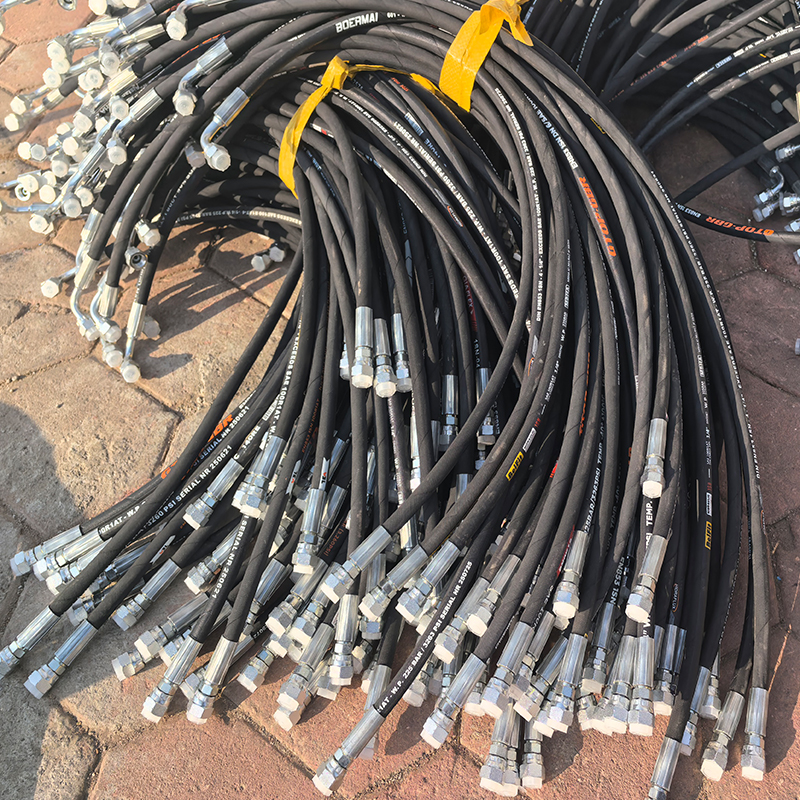 How to Create a Proactive Spiral Hydraulic Hose Replacement Plan That Prevents Downtime?
 Is Your Hydraulic System Overstressing? 5 Diagnostic Signs You Need to Upgrade to Spiral Hose
 Is Your Hydraulic System Pushing Limits? When to Specify Spiral Hose vs. Braided?
 Is Your Machinery Demanding More? Why Upgrade to a Spiral Hydraulic Hose?