
Maintaining a vehicle involves paying attention to even the smallest components, such as the hub oil seal. This often-overlooked part plays a critical role in preventing lubricant leaks and keeping dirt out of critical mechanical systems. However, improper cleaning around the hub oil seal can lead to damage, reduced efficiency, or premature failure. Below is a guide to help vehicle owners clean this area effectively without causing harm.
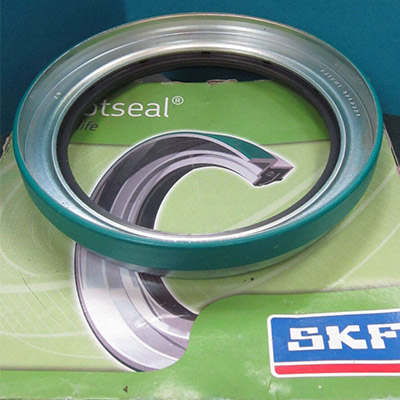
Understanding the Hub Oil Seal’s Role
Before diving into cleaning techniques, it’s essential to grasp why the hub oil seal matters. This component acts as a barrier between the lubricated interior of a wheel hub and the external environment. It prevents grease from escaping while stopping water, debris, and contaminants from entering. Over time, dirt buildup around the seal can compromise its function, leading to leaks or corrosion. Regular cleaning helps extend the seal’s lifespan and ensures smooth wheel operation.
Identifying When Cleaning Is Needed
Not every vehicle requires frequent cleaning around the hub oil seal, but certain signs indicate it’s time to take action. Look for visible grease stains near the wheel hub, which may suggest a weakened seal. Additionally, if you notice unusual noises, such as grinding or squeaking, during wheel rotation, debris might have infiltrated the area. Finally, after driving in muddy, dusty, or salty conditions, inspect the hub for grime accumulation. Addressing these issues promptly reduces the risk of long-term damage.
Gathering the Right Tools and Materials
Cleaning around the hub oil seal requires precision and the appropriate tools to avoid causing harm. Start with a soft-bristled brush or an old toothbrush to dislodge dirt without scratching metal surfaces. Microfiber cloths are ideal for wiping away residue, as they’re gentle and absorbent. For stubborn grime, a mild degreaser or automotive soap diluted with water works well. Avoid harsh chemicals like bleach or solvent-based cleaners, which can degrade rubber seals. If working in a garage, a low-pressure hose or a spray bottle filled with water helps rinse the area safely.
Preparing the Vehicle for Cleaning
Safety and accessibility are key when preparing to clean the hub oil seal. Begin by parking the vehicle on a flat, stable surface and engaging the parking brake. For added security, use wheel chocks to prevent rolling. If the wheel hub is difficult to reach, consider loosening the lug nuts slightly (without removing them) to create a small gap for cleaning tools. Always wear gloves to protect your hands from grease and chemicals, and use safety goggles if spraying water or degreaser.
Step-by-Step Cleaning Process
Remove Loose Debris: Start by using the soft-bristled brush to gently sweep away loose dirt, dust, or dried mud from around the hub oil seal. Work in a circular motion to avoid pushing debris further into crevices.
Apply Cleaning Solution: Mix a small amount of mild degreaser or automotive soap with water in a bucket. Dip the brush into the solution and carefully scrub the area around the seal. Focus on visible grime without applying excessive force, which could dislodge or damage the seal.
Rinse Thoroughly: Use a low-pressure hose or spray bottle to rinse the hub with clean water. Ensure all soap residue is removed, as leftover chemicals can attract new dirt or corrode metal components over time.
Dry the Area: Pat the hub dry with a microfiber cloth. Avoid letting water sit, as moisture can lead to rust or seal deterioration. For extra caution, use compressed air (set to a low pressure) to blow out hidden moisture in tight spaces.
Inspect for Damage: After cleaning, visually examine the hub oil seal for cracks, tears, or signs of wear. If the seal appears compromised, consult a mechanic for replacement rather than attempting repairs yourself.
Common Mistakes to Avoid
Even with good intentions, many vehicle owners make errors that harm the hub oil seal. One common mistake is using high-pressure water, such as from a car wash or garden hose, which can force water past the seal and into the hub assembly. Another pitfall is skipping the drying step, leaving moisture to erode metal parts or degrade the seal’s rubber. Additionally, avoid using abrasive tools like steel wool or wire brushes, as these can scratch surfaces and create pathways for contaminants.
Maintaining Cleanliness Long-Term
Regular maintenance reduces the frequency of deep cleaning sessions. After off-road trips or exposure to harsh conditions, perform a quick visual inspection and brush away surface dirt. Applying a thin layer of silicone-based lubricant around the seal (avoiding direct contact) can help repel water and debris. However, consult your vehicle’s manual or a professional before using any lubricants, as some products may not be compatible with certain materials.
When to Seek Professional Help
While cleaning the hub oil seal is manageable for most DIY enthusiasts, certain situations warrant expert intervention. If you notice persistent leaks, unusual noises, or difficulty rotating the wheel after cleaning, the hub assembly may require professional diagnosis. Similarly, if the seal is visibly damaged or the cleaning process reveals underlying mechanical issues, a mechanic can assess whether repairs or replacements are necessary.
Final Thoughts
Cleaning around the hub oil seal is a straightforward task that significantly impacts a vehicle’s performance and longevity. By using the right tools, following a systematic approach, and avoiding common pitfalls, vehicle owners can protect this vital component from premature failure. Regular inspections and proactive maintenance further ensure that wheels rotate smoothly and safely, mile after mile. Whether you’re a seasoned car enthusiast or a casual driver, prioritizing small details like the hub oil seal ultimately contributes to a more reliable and efficient vehicle.
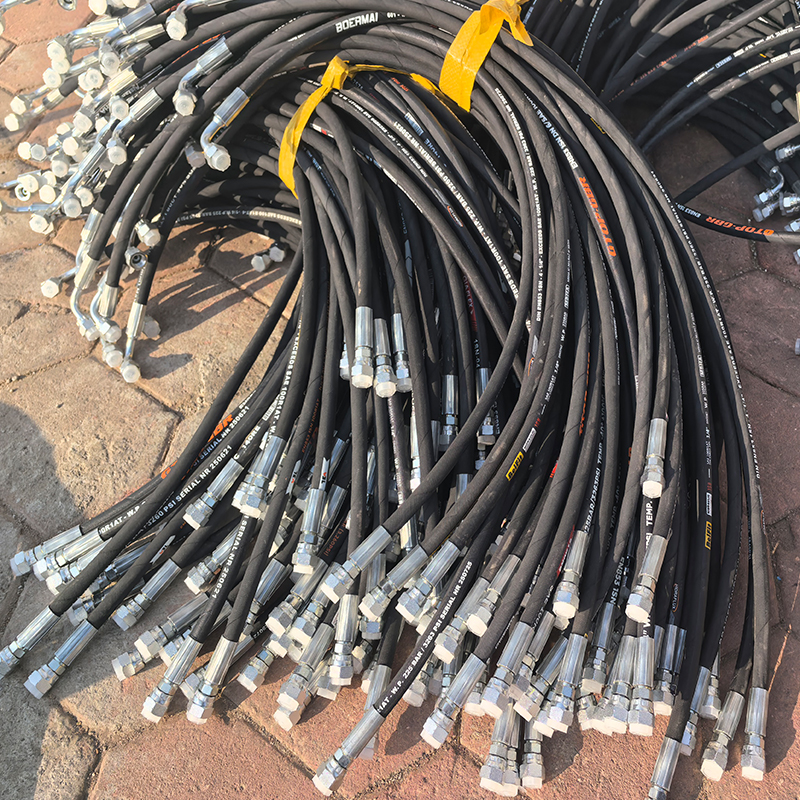 How to Create a Proactive Spiral Hydraulic Hose Replacement Plan That Prevents Downtime?
 Is Your Hydraulic System Overstressing? 5 Diagnostic Signs You Need to Upgrade to Spiral Hose
 Is Your Hydraulic System Pushing Limits? When to Specify Spiral Hose vs. Braided?
 Is Your Machinery Demanding More? Why Upgrade to a Spiral Hydraulic Hose?