
Maintaining the longevity of automotive components is a priority for drivers seeking reliability and cost efficiency. Among these components, hub oil seals play a critical role in protecting wheel hubs and bearings from contaminants while retaining lubrication. However, their durability is often compromised by external factors, with dirt being one of the most pervasive threats. This article explores how dirt infiltrates hub systems, its impact on seal performance, and strategies to mitigate damage, providing drivers with actionable insights to extend the life of their vehicles.
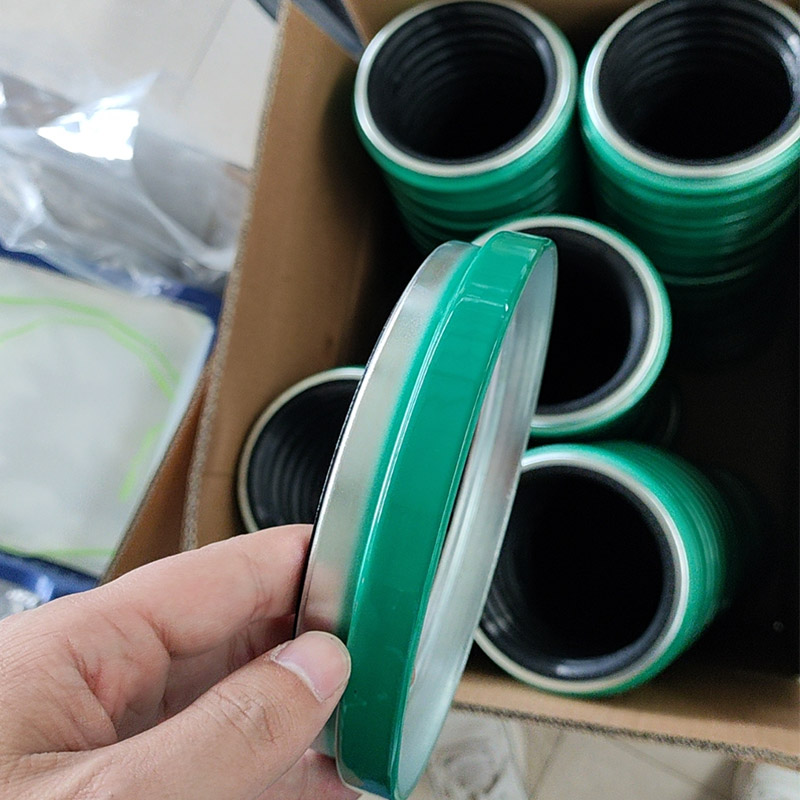
How Dirt Infiltrates Hub Systems
Dirt, a mix of dust, gravel, and environmental debris, finds its way into automotive hubs through multiple pathways. Driving on unpaved roads, construction zones, or areas with loose gravel increases exposure to abrasive particles. These particles settle into wheel wells and hub assemblies, especially when vehicles lack proper fender liners or mud flaps. Additionally, off-road driving or frequent exposure to wet, muddy conditions accelerates dirt accumulation, as moisture binds particles together, making them harder to dislodge.
Even urban environments pose risks. Tire tread patterns can kick up debris from potholes or poorly maintained roads, creating a constant stream of contaminants near the hub. Over time, these particles infiltrate gaps between the seal and hub housing, compromising the seal’s protective barrier.
The Physical Impact of Dirt on Seal Materials
Hub oil seals are typically made from rubber or synthetic elastomers designed to withstand heat, friction, and chemical exposure. However, dirt acts as an abrasive agent, gradually wearing down seal surfaces through friction. As the seal’s edges fray or crack, its ability to form a tight seal diminishes, allowing lubricants to leak and contaminants to enter.
Microscopic analysis reveals that dirt particles embed themselves into the seal material, creating pits and grooves. This degradation is exacerbated by high-speed rotation, which generates heat and accelerates wear. In extreme cases, dirt can cause the seal to harden or lose elasticity, rendering it ineffective within months of exposure.
Contamination and Lubrication Breakdown
A primary function of hub oil seals is to retain grease within the bearing assembly, ensuring smooth rotation and reducing friction. When dirt penetrates the seal, it mixes with lubricants, forming a gritty paste that damages bearing surfaces. This contamination leads to increased heat generation, which further degrades both the seal and the bearing itself.
Symptoms of lubrication breakdown include unusual noises, such as grinding or whirring, during wheel rotation. Vibrations or steering wheel wobble may also occur as bearings lose their precision. If left unaddressed, this cascade of failures can result in costly repairs, including hub replacement or wheel assembly overhauls.
Environmental Factors Amplifying Dirt’s Effects
Climate and terrain play significant roles in determining how quickly dirt impacts hub seals. In arid regions, dry dust is easily airborne and infiltrates moving parts, while humid areas see dirt clump into harder-to-remove deposits. Freeze-thaw cycles in colder climates can also worsen seal damage, as moisture trapped with dirt expands when frozen, prying open microscopic gaps.
Seasonal changes further influence maintenance needs. For example, winter road salt, while not “dirt” per se, combines with gravel to form a corrosive mixture that attacks seals. Similarly, autumn leaves and debris can clog drainage paths, trapping moisture and dirt near the hub.
Preventative Maintenance: Cleaning and Inspection
Regular cleaning is the first line of defense against dirt-related seal damage. Drivers should rinse wheel wells and undercarriages with a hose after off-road trips or driving on dusty roads. Using a soft brush and mild detergent helps remove stubborn grime without scratching surfaces.
Visual inspections are equally vital. During routine tire rotations or oil changes, mechanics should check for cracks, tears, or discoloration on the seal. Early signs of wear, such as grease stains on the inner brake rotor, indicate a compromised seal requiring immediate attention.
Protective Measures: Shields and Sealants
Installing mud flaps or fender liners provides a physical barrier against debris, reducing the volume of dirt reaching the hub. These accessories are particularly beneficial for trucks, SUVs, and vehicles frequently driven in rugged terrain.
For added protection, some drivers opt for aftermarket sealants or coatings designed to repel dirt and moisture. These products create a hydrophobic layer on the seal, minimizing adhesion of contaminants. However, compatibility with seal materials must be verified to avoid unintended chemical reactions.
Long-Term Consequences of Neglect
Ignoring dirt-related seal damage can lead to catastrophic failures. A failed seal allows complete loss of lubrication, causing bearings to seize—a scenario that may result in loss of vehicle control. Even minor leaks, if unchecked, force bearings to operate under suboptimal conditions, shortening their lifespan by thousands of miles.
Beyond mechanical risks, neglected maintenance impacts resale value. A vehicle history report documenting frequent hub repairs may deter buyers, highlighting the importance of proactive care.
Conclusion
Dirt’s role in degrading hub oil seals is a preventable issue when drivers prioritize regular maintenance and environmental awareness. By understanding how dirt infiltrates hub systems and adopting protective strategies, individuals can safeguard their vehicles against premature wear, ensuring safety and reliability on the road. Whether navigating city streets or rugged trails, a clean and well-maintained hub assembly remains a cornerstone of automotive longevity.
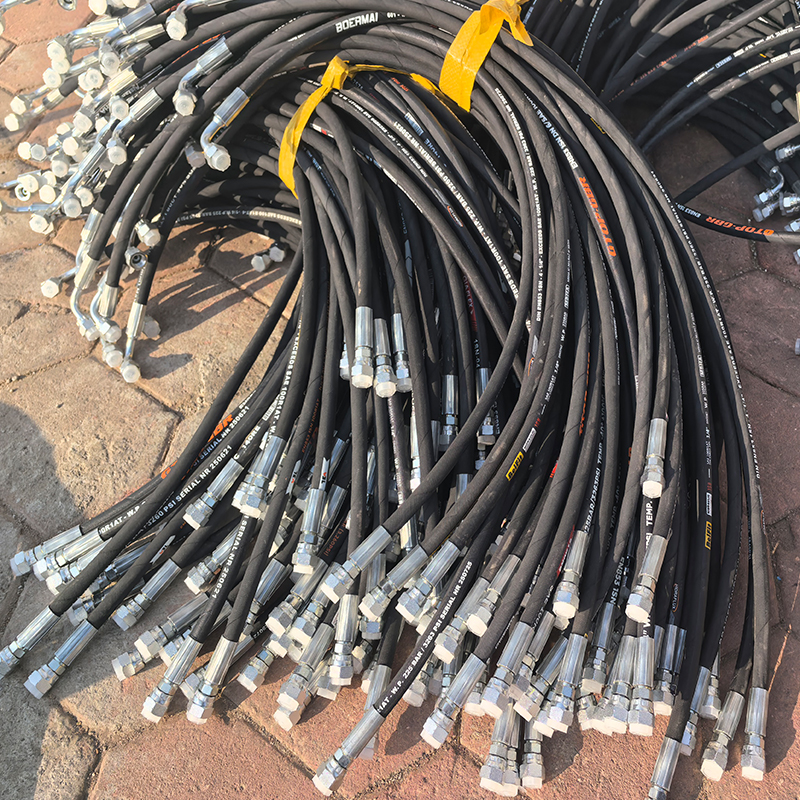 How to Create a Proactive Spiral Hydraulic Hose Replacement Plan That Prevents Downtime?
 Is Your Hydraulic System Overstressing? 5 Diagnostic Signs You Need to Upgrade to Spiral Hose
 Is Your Hydraulic System Pushing Limits? When to Specify Spiral Hose vs. Braided?
 Is Your Machinery Demanding More? Why Upgrade to a Spiral Hydraulic Hose?