
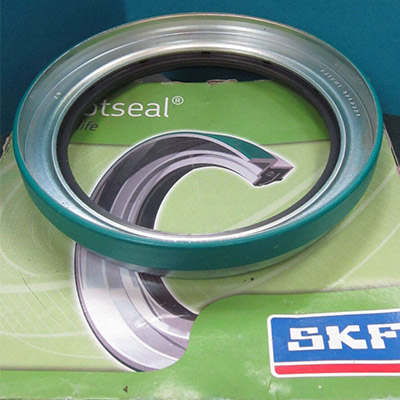
For many vehicle owners, the hub oil seal might not be a household term, but it plays a critical role in maintaining the health of a car’s drivetrain. This small yet vital component prevents lubricants from leaking out of the hub assembly while keeping contaminants like dirt and water from entering. Over time, corrosion can compromise the seal’s integrity, leading to costly repairs and unsafe driving conditions. Understanding how to prevent hub oil seal corrosion is essential for extending the lifespan of your vehicle and ensuring smooth performance. Below, we explore practical strategies to protect these components from damage.
The Causes of Hub Oil Seal Corrosion
Corrosion doesn’t happen overnight. It’s often the result of prolonged exposure to environmental factors, chemical reactions, or mechanical stress. One primary culprit is moisture, which can accumulate around the hub due to driving through puddles, snow, or humid climates. When water mixes with road salt or chemicals, it creates a corrosive mixture that erodes metal surfaces over time. Additionally, extreme temperatures can cause the seal material to expand and contract, weakening its structure. Poor maintenance habits, such as ignoring leaks or using incompatible lubricants, can also accelerate degradation. By recognizing these triggers, drivers can take proactive steps to mitigate risks.
Regular Inspection and Cleaning
Prevention starts with routine checks. Vehicle owners should inspect the hub area periodically for signs of moisture buildup, grease leakage, or rust spots. During washing, pay special attention to the wheels and undercarriage, using a hose to flush away dirt and debris that might trap corrosive substances. After cleaning, dry the components thoroughly with a microfiber cloth to eliminate residual moisture. For those living in coastal or snowy regions, more frequent inspections are advisable, as salt and brine are notorious for speeding up corrosion. A simple visual assessment every few weeks can catch issues before they escalate.
Choosing the Right Lubricants
Lubrication is a double-edged sword: while it reduces friction and wear, the wrong type can damage seals. High-quality, synthetic greases are often recommended because they resist breakdown under heat and pressure. Avoid using general-purpose oils or greases that might contain additives incompatible with seal materials. When servicing the hub assembly, ensure the lubricant is applied sparingly—excess grease can attract dirt and create abrasive particles that wear down the seal. Consulting the vehicle’s manual or a trusted mechanic can help identify the best products for specific makes and models.
Protecting Against Environmental Damage
Environmental factors like road salt, ice melt, and industrial chemicals pose significant threats to hub oil seals. In winter, rinse the undercarriage after driving on salted roads to remove residue. Consider applying a rust-inhibiting spray to exposed metal parts, though caution is needed to avoid spraying the brake system. For off-road enthusiasts or those driving in muddy terrain, installing mud flaps can reduce debris kicked up into the hub area. Parking in covered or dry areas when possible also minimizes exposure to rain and humidity, which contribute to corrosion over time.
Addressing Leaks Promptly
A leaking hub seal is a red flag that demands immediate attention. Even minor drips can indicate a compromised seal, allowing contaminants to enter and lubricants to escape. Ignoring leaks not only wastes resources but also increases friction and heat, further damaging the seal and surrounding components. If a leak is detected, have the vehicle inspected by a professional to determine whether the seal needs replacement or if another issue, such as a worn bearing, is to blame. Timely repairs prevent secondary damage and extend the life of the entire drivetrain.
Upgrading to Corrosion-Resistant Materials
For those in high-risk environments, upgrading to hub assemblies with corrosion-resistant materials can provide long-term benefits. Stainless steel or aluminum components, for example, are less prone to rust than traditional steel. Some manufacturers also offer seals coated with protective layers, such as nitrile rubber or silicone, which resist chemical degradation. While these upgrades may involve higher upfront costs, they often pay off by reducing maintenance frequency and replacement needs.
The Role of Professional Maintenance
While DIY care is valuable, professional servicing remains essential for optimal hub health. Mechanics have the tools and expertise to detect early signs of corrosion, such as pitting on metal surfaces or cracks in the seal. They can also perform advanced treatments, like pressure washing the hub assembly or applying industrial-grade coatings. Scheduling annual inspections with a certified technician ensures that even hidden issues are addressed before they lead to failure.
Conclusion
Hub oil seal corrosion is a preventable problem when approached with diligence and awareness. By understanding its causes, conducting regular maintenance, and adopting protective measures, vehicle owners can safeguard these components against premature wear. Simple habits like cleaning, lubricating, and addressing leaks promptly go a long way in preserving functionality. For those in harsh climates or demanding driving conditions, investing in durable materials and professional care provides added peace of mind. Ultimately, a proactive stance on hub maintenance not only saves money but also ensures a safer, smoother ride for years to come.
 How to Create a Proactive Spiral Hydraulic Hose Replacement Plan That Prevents Downtime?
 Is Your Hydraulic System Overstressing? 5 Diagnostic Signs You Need to Upgrade to Spiral Hose
 Is Your Hydraulic System Pushing Limits? When to Specify Spiral Hose vs. Braided?
 Is Your Machinery Demanding More? Why Upgrade to a Spiral Hydraulic Hose?