
For many vehicle owners, unusual noises from the wheels or hub area can be alarming. A common culprit behind these sounds is a failing hub oil seal, a component that plays a critical role in maintaining the health of your vehicle’s wheel assembly. While this issue might seem minor at first, ignoring it can lead to more severe problems down the road. This article explores why hub oil seals make noise, the underlying causes, and practical steps to address the issue.
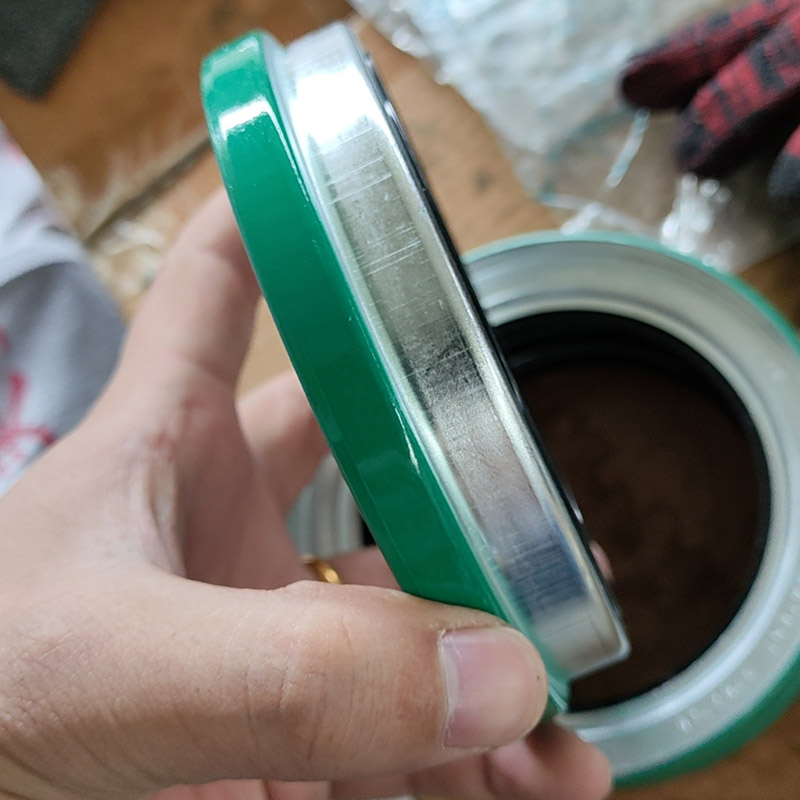
The Role of a Hub Oil Seal
Before diving into the causes of noise, it’s essential to understand what a hub oil seal does. This small but vital part is designed to prevent lubricants, such as grease or oil, from leaking out of the wheel hub assembly while keeping dirt, water, and debris from entering. The hub assembly houses bearings that allow the wheels to rotate smoothly, and proper lubrication is key to their longevity. A compromised seal disrupts this balance, leading to friction, heat, and eventually, noise.
Common Signs of a Failing Hub Oil Seal
A noisy hub oil seal doesn’t always announce itself with a single, obvious sound. Instead, it often produces subtle hints that worsen over time. Drivers might notice a grinding, whirring, or humming noise that increases with speed, especially when turning. In some cases, the noise may resemble the sound of a worn-out bearing, which isn’t surprising since a leaking seal can damage bearings by depriving them of lubrication. Other signs include grease stains on the wheel rim or brake components, or a loose wheel nut due to lubricant contamination.
Wear and Tear: The Inevitable Culprit
Like most automotive parts, hub oil seals degrade over time. Exposure to extreme temperatures, road chemicals, and constant movement causes the rubber or synthetic material of the seal to harden, crack, or lose elasticity. This deterioration allows lubricants to escape and contaminants to infiltrate the hub assembly. Regular maintenance can delay this process, but even well-cared-for vehicles will eventually face seal wear. Drivers who frequently travel on rough roads or in harsh climates may notice faster degradation.
Improper Installation or Maintenance
Sometimes, the issue isn’t age but human error. A hub oil seal that’s installed incorrectly—whether due to a rushed repair job or lack of expertise—may not sit flush against the hub surface. This misalignment creates gaps where lubricants can leak and debris can enter. Similarly, using the wrong type of seal or failing to replace worn-out components during maintenance can lead to premature failure. For example, over-tightening the wheel nuts can distort the seal, while under-tightening might leave gaps for leaks.
Contamination and Corrosion
The hub assembly operates in a hostile environment. Water, mud, salt, and road grime constantly bombard the area, especially during winter or in regions with heavy rainfall. If the seal’s protective lip is damaged or the surrounding components are corroded, contaminants can penetrate the assembly. This not only causes noise but also accelerates wear on the bearings and other internal parts. Corrosion is particularly problematic in coastal areas or regions where road salt is used liberally during snowy seasons.
The Link Between Noise and Bearing Damage
While a noisy hub oil seal is concerning on its own, the real danger lies in what it does to the wheel bearings. Bearings rely on a consistent supply of clean lubricant to function smoothly. When a seal fails, grease leaks out, and dirt mixes with the remaining lubricant, forming an abrasive paste. This mixture increases friction, generating heat and causing the bearings to wear unevenly. Over time, the bearings may seize or fail entirely, leading to costly repairs or even unsafe driving conditions.
How to Diagnose and Address the Issue
If you suspect a failing hub oil seal, start by inspecting the area for visible leaks or grease buildup. A mechanic can perform a more thorough diagnosis using tools like a stethoscope to pinpoint the source of the noise. In some cases, the seal itself might need replacement, while in others, the entire hub assembly could require attention. Regular inspections during routine maintenance—such as tire rotations or brake checks—can help catch seal issues early.
Addressing the problem promptly is crucial. Replacing a worn seal is typically more affordable than repairing damage caused by prolonged neglect. While some experienced DIYers might attempt this repair, it’s often safer to consult a professional, especially since the job involves handling lubricants and reassembly of critical components.
Preventative Measures to Extend Seal Life
Though hub oil seals won’t last forever, certain habits can prolong their lifespan. Avoid driving through deep puddles or standing water when possible, as this forces contaminants into the hub area. After driving in muddy or salty conditions, rinse the undercarriage with clean water to remove debris. During maintenance, ensure that the hub assembly is cleaned and inspected regularly, and replace seals as part of scheduled service intervals rather than waiting for failure.
When to Seek Professional Help
While minor noises might be tempting to ignore, a hub oil seal issue is not one to dismiss. If you’re unsure about the source of the sound or lack the tools to inspect the hub assembly, visit a trusted mechanic. They can assess whether the seal, bearings, or other components need attention and recommend the best course of action.
Conclusion
A noisy hub oil seal is more than an annoyance—it’s a warning sign of potential damage to your vehicle’s wheel assembly. By understanding the causes, from natural wear to environmental factors, drivers can take proactive steps to address the issue before it escalates. Regular maintenance, careful driving habits, and timely repairs are the best ways to keep your hubs quiet and your wheels turning smoothly. If in doubt, don’t hesitate to consult a professional; your safety and your vehicle’s health depend on it.
 How to Create a Proactive Spiral Hydraulic Hose Replacement Plan That Prevents Downtime?
 Is Your Hydraulic System Overstressing? 5 Diagnostic Signs You Need to Upgrade to Spiral Hose
 Is Your Hydraulic System Pushing Limits? When to Specify Spiral Hose vs. Braided?
 Is Your Machinery Demanding More? Why Upgrade to a Spiral Hydraulic Hose?