
Rubber plugs are essential components in various industries, ranging from automotive and aerospace to plumbing and electronics. They play a critical role in ensuring that fluids, gases, and other substances are contained effectively, preventing leaks and maintaining the integrity of systems. Designing rubber plugs for optimal sealing efficiency involves a combination of material selection, geometric considerations, and manufacturing processes. This article explores the key factors to consider when designing rubber plugs to achieve maximum sealing performance.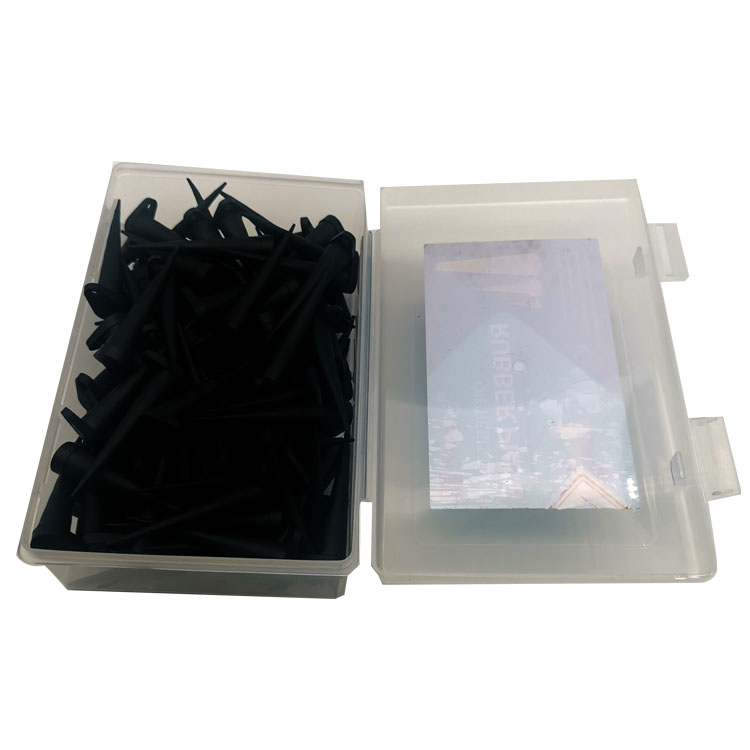
1. Understanding the Application Requirements
Before diving into the design process, it is crucial to understand the specific requirements of the application where the rubber plug will be used. This includes factors such as the type of medium to be sealed (liquid or gas), the operating pressure and temperature ranges, the chemical compatibility with the medium, and the expected lifespan of the seal.
For instance, if the rubber plug is intended for use in a high-pressure hydraulic system, it must be able to withstand significant pressure without deforming or extruding. Similarly, if the application involves exposure to harsh chemicals, the rubber material must be chemically resistant to prevent degradation.
2. Selecting the Right Rubber Material
The choice of rubber material is fundamental to the sealing efficiency of the plug. Different rubber compounds offer varying levels of elasticity, hardness, temperature resistance, and chemical compatibility. Common rubber materials used for plugs include natural rubber, nitrile rubber (NBR), ethylene propylene diene monomer (EPDM), silicone rubber, and fluoroelastomers (FKM).
Natural rubber provides excellent elasticity and tear strength, making it suitable for applications requiring high flexibility. Nitrile rubber is known for its oil and fuel resistance, making it ideal for automotive and industrial applications. EPDM offers good weather and ozone resistance, making it suitable for outdoor applications. Silicone rubber is highly flexible and can withstand extreme temperatures, while fluoroelastomers provide exceptional chemical resistance and can operate at high temperatures.
When selecting the rubber material, it is essential to consider the trade-offs between different properties. For example, a material that offers high temperature resistance may have lower elasticity, affecting the sealing performance. Therefore, the material choice should be tailored to the specific needs of the application.
3. Designing the Plug Geometry
The geometry of the rubber plug significantly impacts its sealing efficiency. The design should ensure that the plug can create a tight seal with the mating surface while being easy to install and remove. Key geometric considerations include the shape, size, and surface finish of the plug.
The shape of the plug can vary depending on the application. Common shapes include cylindrical, conical, and tapered plugs. Cylindrical plugs are simple and effective for applications with uniform mating surfaces. Conical and tapered plugs are designed to accommodate variations in the mating surface geometry, providing better sealing in applications where the surface may not be perfectly flat.
The size of the plug is also critical. It must be dimensioned to fit snugly into the mating opening without being too tight, which could make installation difficult, or too loose, which could compromise the seal. The interference fit between the plug and the mating surface should be carefully calculated to ensure optimal sealing without causing undue stress on the rubber material.
The surface finish of the plug and the mating surface is another important consideration. A smooth, even surface finish on both the plug and the mating surface will facilitate a better seal by reducing the potential for leak paths. Rough or uneven surfaces can create gaps where leaks can occur.
4. Incorporating Sealing Features
To enhance the sealing efficiency of rubber plugs, additional sealing features can be incorporated into the design. These features can help to create a more effective seal by increasing the contact area between the plug and the mating surface or by providing additional compression to the rubber material.
One common sealing feature is a rib or groove on the surface of the plug. This can increase the contact area and provide a more secure seal. Another feature is a chamfer or bevel on the edge of the plug, which can help to guide the plug into the mating opening and reduce the risk of damage during installation.
In some applications, a dual-seal design may be used. This involves two sealing surfaces on the plug, providing redundancy in case one seal fails. Dual-seal designs can offer increased reliability in critical applications where leaks cannot be tolerated.
5. Considering Manufacturing Processes
The manufacturing process used to produce the rubber plug can also affect its sealing efficiency. Different manufacturing processes, such as injection molding, compression molding, and extrusion, have their advantages and limitations.
Injection molding is a highly versatile process that can produce complex shapes with high precision. It is suitable for large-scale production and can achieve tight tolerances, which are essential for effective sealing. Compression molding is another common process, particularly for larger parts or those with thicker cross-sections. It involves placing uncured rubber into a mold and applying pressure and heat to cure the material.
Extrusion is used to produce rubber plugs with a continuous length, such as those used in piping or tubing applications. The extruded rubber can then be cut to the desired length. While extrusion is cost-effective for producing long lengths of rubber, it may not offer the same level of precision as injection or compression molding.
The choice of manufacturing process will depend on the specific requirements of the application, including the desired shape, size, and quantity of the rubber plugs. It is important to work with a manufacturer that has experience in producing rubber seals to ensure the best possible outcome.
6. Testing and Validation
Once the rubber plugs have been designed and manufactured, they should be tested and validated to ensure they meet the specified sealing requirements. This can involve a series of tests, such as pressure tests, temperature tests, and chemical compatibility tests.
Pressure tests are used to verify that the plugs can withstand the operating pressure without leaking. Temperature tests are conducted to ensure the plugs can maintain their sealing properties over the expected temperature range. Chemical compatibility tests are performed to confirm that the rubber material will not degrade when exposed to the medium being sealed.
By thoroughly testing and validating the rubber plugs, manufacturers can ensure that they will perform as expected in the real-world application, providing reliable and effective sealing.
Designing rubber plugs for optimal sealing efficiency requires careful consideration of material selection, geometric design, manufacturing processes, and testing. By understanding the specific requirements of the application, choosing the right rubber material, designing the plug geometry for a tight fit, incorporating sealing features, selecting the appropriate manufacturing process, and thoroughly testing the plugs, manufacturers can produce high-quality rubber plugs that provide reliable and effective sealing performance. Whether for industrial, automotive, or other applications, well-designed rubber plugs are essential for maintaining the integrity of systems and preventing leaks.
 How to Create a Proactive Spiral Hydraulic Hose Replacement Plan That Prevents Downtime?
 Is Your Hydraulic System Overstressing? 5 Diagnostic Signs You Need to Upgrade to Spiral Hose
 Is Your Hydraulic System Pushing Limits? When to Specify Spiral Hose vs. Braided?
 Is Your Machinery Demanding More? Why Upgrade to a Spiral Hydraulic Hose?