
In the vast landscape of industrial components, rubber plugs might seem like a mundane and unremarkable item. However, their significance in various sectors, ranging from automotive to aerospace, cannot be overstated. These unassuming devices play a critical role in ensuring the integrity, safety, and functionality of numerous systems and products. One aspect that often goes unnoticed but is of paramount importance is the certification of rubber plugs. This article delves into the reasons why rubber plug certification is vital, exploring its impact on quality assurance, regulatory compliance, customer trust, and the overall efficiency of manufacturing processes.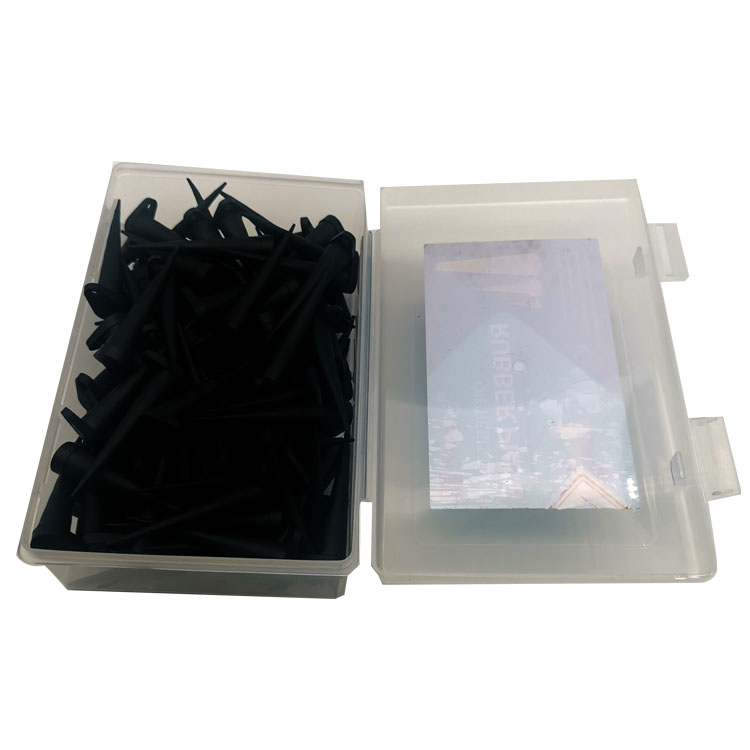
Quality Assurance: The Foundation of Reliability
At the heart of any manufacturing process lies the quest for quality. Rubber plugs, though small, are integral to sealing, protecting, and isolating components from environmental factors such as moisture, dust, and chemicals. A certified rubber plug signifies that it has undergone rigorous testing and meets or exceeds industry standards for material composition, dimensional accuracy, durability, and resistance to specific conditions.
The certification process typically involves a series of tests that assess the plug's physical properties, including tensile strength, elongation, hardness, and compression set. Additionally, it evaluates the plug's performance under extreme temperatures, exposure to chemicals, and its ability to maintain a seal over time. This comprehensive assessment ensures that the rubber plug will function as intended, providing a reliable barrier against external contaminants.
In industries where failure is not an option, such as medical devices or aerospace, the importance of certified rubber plugs cannot be overemphasized. A faulty plug could lead to equipment malfunction, product contamination, or even catastrophic failures. Therefore, certification serves as a stamp of approval, assuring manufacturers and end-users that the rubber plugs they are using are of the highest quality and can be trusted to perform reliably.
Regulatory Compliance: Navigating the Legal Landscape
Another crucial aspect of rubber plug certification is its role in regulatory compliance. Governments and industry bodies have established strict guidelines and standards to ensure the safety and efficacy of products in the marketplace. These regulations vary from country to country and can be quite complex, covering everything from material safety to environmental impact.
For manufacturers, navigating this regulatory landscape can be a daunting task. However, using certified rubber plugs simplifies the process significantly. Certification bodies, often accredited by national or international standards organizations, verify that the rubber plugs comply with relevant regulations. This means that manufacturers can rely on certified components without having to conduct extensive additional testing, saving time and resources.
Moreover, using non-certified rubber plugs can expose manufacturers to legal liabilities. In the event of a product failure or safety issue, it may be discovered that the use of uncertified components contributed to the problem. This could result in costly lawsuits, product recalls, and damage to the company's reputation. By opting for certified rubber plugs, manufacturers mitigate these risks and demonstrate their commitment to compliance and customer safety.
Customer Trust: The Currency of Success
In today's competitive marketplace, customer trust is a valuable commodity. Consumers and businesses alike are increasingly conscious of the products they use and the companies they do business with. They seek out manufacturers that prioritize quality, safety, and reliability.
Rubber plug certification serves as a powerful signal to customers that a manufacturer takes these concerns seriously. It demonstrates a commitment to using components that have been independently verified to meet or exceed industry standards. This can be a deciding factor for customers who are evaluating multiple suppliers and want to ensure they are partnering with a reputable and responsible company.
Furthermore, in industries where safety is paramount, such as automotive or construction, customer trust can be the difference between success and failure. A reputation for using high-quality, certified components can enhance a manufacturer's brand image and foster long-term customer loyalty. Conversely, a history of using uncertified or substandard parts can erode trust and lead to lost business.
Efficiency in Manufacturing: Streamlining Processes
Beyond the benefits of quality assurance, regulatory compliance, and customer trust, rubber plug certification also contributes to the overall efficiency of manufacturing processes. When manufacturers use certified components, they can be confident that these parts will fit correctly, function as intended, and integrate seamlessly into their products.
This reduces the need for rework, which can be time-consuming and costly. For example, if a rubber plug fails to create a proper seal, it could result in leaks or other issues that require disassembly, inspection, and replacement. Using certified plugs minimizes the risk of such problems, allowing manufacturers to focus on other aspects of their production process.
Additionally, certified rubber plugs can facilitate just-in-time (JIT) manufacturing and lean production practices. Because certified components are reliable and consistent, manufacturers can reduce their inventory levels, knowing that they can depend on the quality of the parts they receive. This can lead to significant cost savings and improved operational efficiency.
Finally, the pursuit of rubber plug certification drives innovation and continuous improvement within the industry. Manufacturers of rubber plugs are constantly striving to enhance their products, developing new materials and designs that offer better performance, durability, and environmental sustainability.
The certification process encourages this innovation by setting high standards that manufacturers must meet. It pushes them to invest in research and development, adopt advanced manufacturing techniques, and stay abreast of the latest industry trends. As a result, the entire industry benefits from a steady stream of new and improved products that meet the evolving needs of manufacturers and end-users.
In conclusion, rubber plug certification is a critical aspect of modern manufacturing. It ensures quality assurance, regulatory compliance, customer trust, and manufacturing efficiency. By using certified components, manufacturers can mitigate risks, enhance their reputation, and stay competitive in a rapidly changing marketplace. Moreover, it drives innovation and continuous improvement, benefiting the entire industry. Therefore, when it comes to rubber plugs, certification is not just a nice-to-have; it is an essential requirement for success.
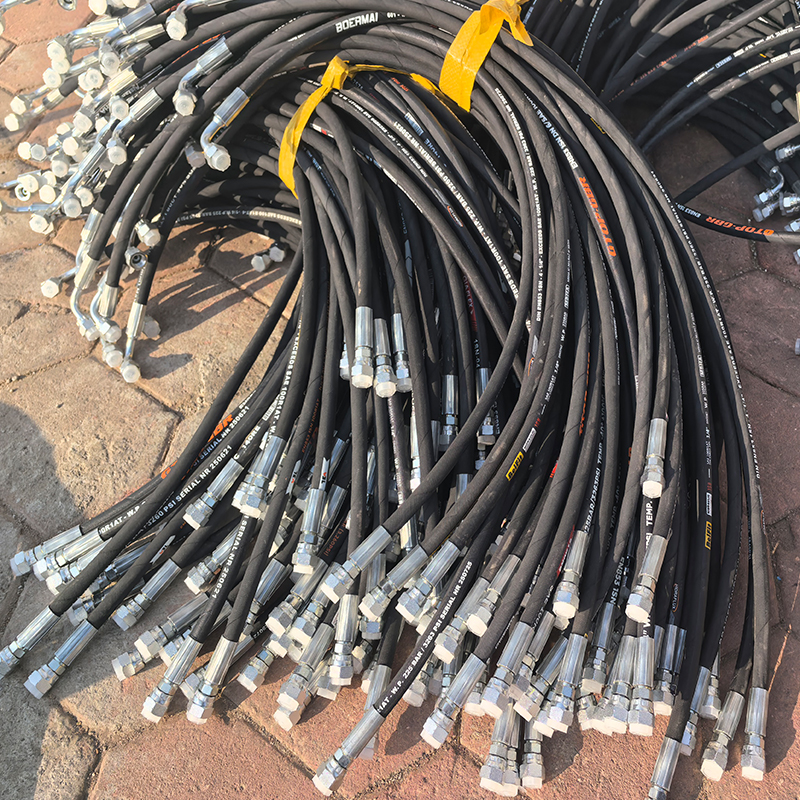 How to Create a Proactive Spiral Hydraulic Hose Replacement Plan That Prevents Downtime?
 Is Your Hydraulic System Overstressing? 5 Diagnostic Signs You Need to Upgrade to Spiral Hose
 Is Your Hydraulic System Pushing Limits? When to Specify Spiral Hose vs. Braided?
 Is Your Machinery Demanding More? Why Upgrade to a Spiral Hydraulic Hose?