
In the intricate web of modern building infrastructure, Heating, Ventilation, and Air Conditioning (HVAC) systems stand as unsung heroes, tirelessly working to maintain optimal indoor environmental conditions. These systems are engineering marvels, designed to regulate temperature, humidity, and air quality, thereby ensuring occupant comfort and health. Among the myriad components that constitute an HVAC system, rubber plugs might seem inconspicuous, yet they play a vital role in the overall efficiency and functionality of the setup. This article delves into the significance of rubber plugs in HVAC systems, exploring their design, applications, and the myriad benefits they offer.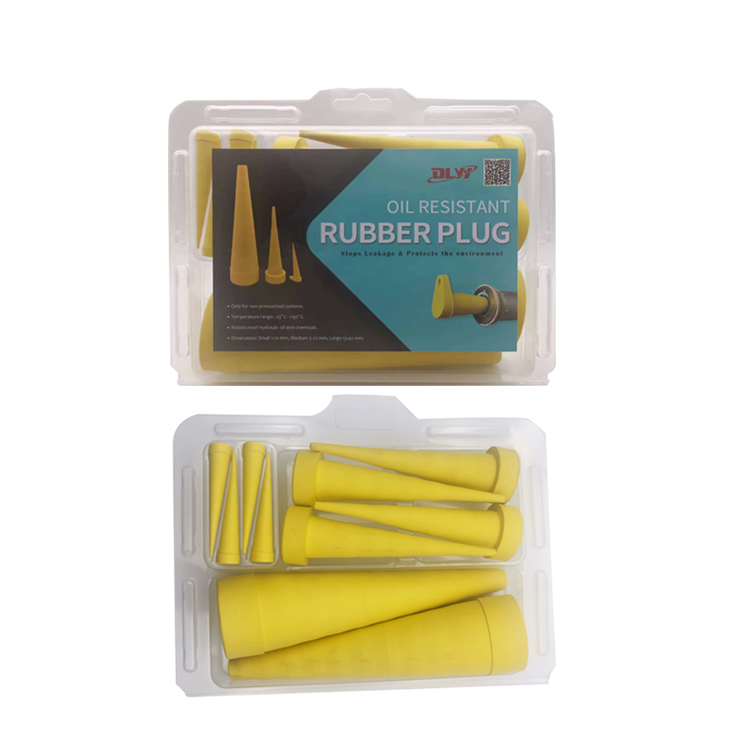
The Anatomy of Rubber Plugs in HVAC Systems
Rubber plugs, in the context of HVAC, are typically small, cylindrical or conical devices made from elastomeric materials. These materials are chosen for their resilience, durability, and ability to withstand a range of temperatures and pressures. The composition of these plugs often includes natural rubber, synthetic rubbers like neoprene, EPDM (ethylene propylene diene monomer), or silicone, each offering specific properties tailored to different HVAC applications.
The design of rubber plugs is straightforward yet ingenious. They feature a solid body with a precise fit to seal openings or connect components within the HVAC system. Some plugs may have a flange or ribbed surface to enhance grip and prevent leakage. Others might incorporate a hollow core, allowing for the passage of wires, tubes, or other components while maintaining a seal around them. The versatility in design makes rubber plugs adaptable to various sealing and insulation needs within HVAC systems.
Applications of Rubber Plugs in HVAC Systems
Pipe and Duct Sealing:
One of the primary roles of rubber plugs in HVAC systems is sealing pipes and ducts. In HVAC networks, pipes transport refrigerant, water, or air, while ducts facilitate the distribution of conditioned air. Rubber plugs are used to seal off unused or temporarily inactive pipe ends and duct openings. This prevents the ingress of moisture, dust, and pests, which could compromise system integrity and efficiency. Additionally, sealing helps maintain proper air pressure within the system, ensuring efficient airflow and temperature regulation.
Component Insulation:
HVAC systems comprise numerous components such as valves, compressors, and fittings that require insulation to prevent energy loss and condensation. Rubber plugs are employed to seal gaps around these components, providing an effective barrier against heat transfer and moisture ingress. This insulation not only enhances system efficiency but also extends the lifespan of the equipment by protecting it from environmental stressors.
Vibration Damping:
HVAC systems, particularly those with moving parts like fans and compressors, are prone to vibrations. Prolonged vibration can lead to noise pollution, component wear, and even structural damage. Rubber plugs, with their inherent damping properties, are used to isolate vibrating components from the surrounding structure. By absorbing and dissipating vibrational energy, they help reduce noise levels and protect system integrity.
Access Port Sealing:
HVAC systems often include access ports for maintenance and inspection. When not in use, these ports must be sealed to prevent air leakage and maintain system pressure. Rubber plugs are ideal for this purpose, offering a secure, easy-to-use sealing solution that can be quickly removed and reinstalled as needed.
Thread Protection:
Threaded connections in HVAC systems, such as those found on valves and fittings, are susceptible to damage during transportation, installation, and maintenance. Rubber plugs can be threaded onto these connections to protect them from dirt, debris, and accidental impacts, ensuring that they remain in pristine condition for when they are needed.
Benefits of Using Rubber Plugs in HVAC Systems
Cost-Effectiveness:
Rubber plugs are a cost-effective solution for sealing and insulating HVAC systems. They are relatively inexpensive to manufacture and easy to install, reducing labor costs and downtime associated with more complex sealing methods. Furthermore, their durability means they require minimal replacement, contributing to long-term cost savings.
Versatility:
The wide range of elastomeric materials and designs available makes rubber plugs versatile enough to address various sealing and insulation challenges in HVAC systems. Whether it's sealing a high-pressure pipe or damping vibrations in a commercial HVAC unit, there's a rubber plug designed to meet the specific requirements.
Reliability:
Rubber plugs are known for their reliability. They provide a tight, consistent seal that can withstand the rigors of HVAC operations, including temperature fluctuations, pressure changes, and exposure to moisture and chemicals. This reliability ensures that the HVAC system operates efficiently, maintaining indoor comfort and air quality.
Ease of Use:
Unlike some sealing methods that require specialized tools or skills, rubber plugs are straightforward to install and remove. This ease of use makes them an attractive option for HVAC technicians, who can quickly and efficiently seal or unseal system components as needed.
Environmental Benefits:
By enhancing the efficiency of HVAC systems, rubber plugs contribute to energy conservation. A well-sealed and insulated system requires less energy to maintain desired indoor conditions, reducing the carbon footprint associated with heating and cooling. Additionally, the use of durable, long-lasting rubber materials helps minimize waste and resource consumption.
In the vast landscape of HVAC systems, rubber plugs might be small, but their importance cannot be overstated. These unassuming devices play a critical role in sealing, insulating, and protecting HVAC components, ensuring that systems operate efficiently and effectively. Their versatility, reliability, and cost-effectiveness make them an indispensable part of modern HVAC design and maintenance.
As the demand for energy-efficient and sustainable buildings continues to grow, the role of rubber plugs in HVAC systems will become even more significant. Innovations in elastomer materials and plug designs will further enhance their performance, contributing to more efficient, quieter, and longer-lasting HVAC systems. For HVAC professionals, understanding the nuances of rubber plug applications and selecting the right type for specific needs will remain a key aspect of maintaining optimal system performance.
In summary, rubber plugs are a testament to the adage that small things can make a big difference. In the world of HVAC, they are the unsung heroes that keep our indoor environments comfortable, healthy, and energy-efficient. As technology advances, so too will the role of rubber plugs, ensuring they remain an integral part of the HVAC landscape for years to come.
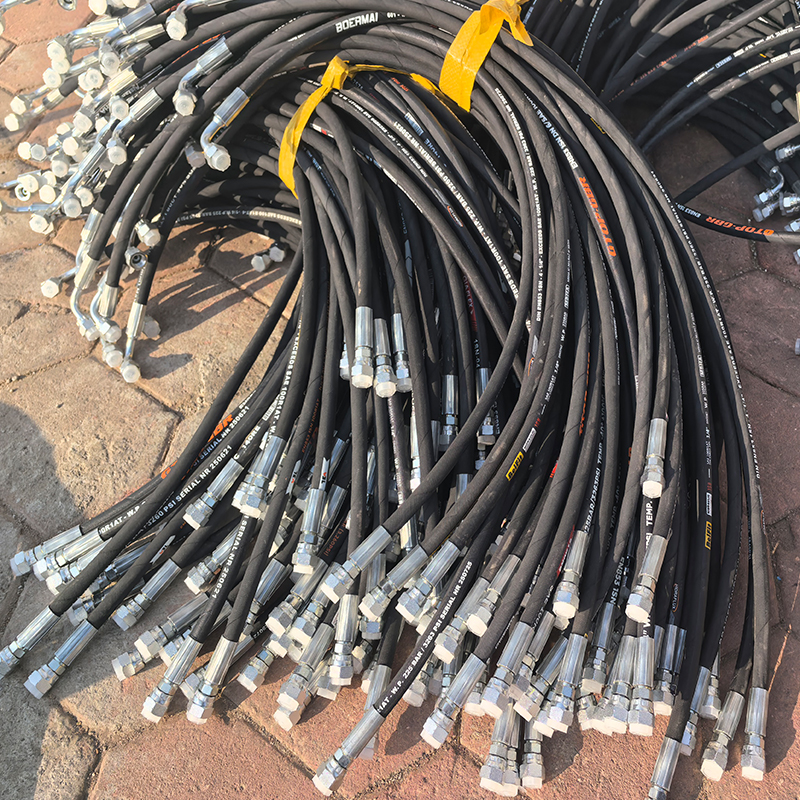 How to Create a Proactive Spiral Hydraulic Hose Replacement Plan That Prevents Downtime?
 Is Your Hydraulic System Overstressing? 5 Diagnostic Signs You Need to Upgrade to Spiral Hose
 Is Your Hydraulic System Pushing Limits? When to Specify Spiral Hose vs. Braided?
 Is Your Machinery Demanding More? Why Upgrade to a Spiral Hydraulic Hose?