
In the realm of industrial manufacturing and assembly, the unassuming rubber plug often plays a critical role. These unpretentious components, found in myriad applications ranging from automotive to aerospace, serve as essential seals, gaskets, and stoppers, preventing leakage, contamination, and ensuring the smooth operation of machinery and equipment. A key factor that enhances the efficacy of rubber plugs in these applications is the adhesive used to bond them to various surfaces. This article delves into the multifaceted role of adhesives in rubber plug applications, exploring their types, properties, selection criteria, and the impact they have on performance and reliability.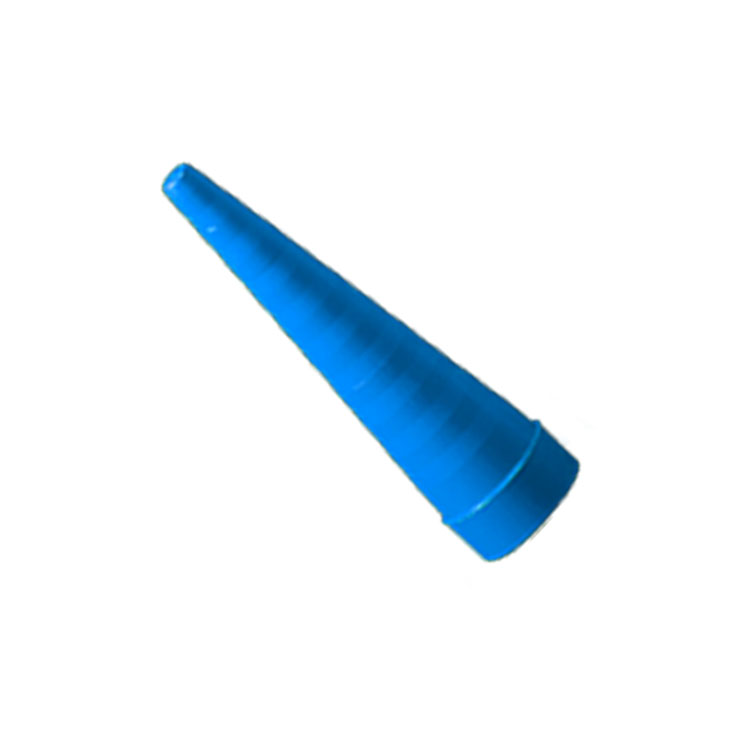
Understanding Rubber Plugs
Rubber plugs are versatile components crafted from a variety of elastomeric materials such as natural rubber, silicone, neoprene, nitrile, and ethylene-propylene-diene monomer (EPDM). Each material offers unique properties tailored to specific applications. For instance, silicone rubber is prized for its high-temperature resistance and flexibility, making it ideal for use in automotive engines and industrial ovens. Conversely, nitrile rubber, known for its oil and fuel resistance, is commonly employed in the automotive and petrochemical industries.
The design of rubber plugs can vary widely depending on their intended use. Some are simple cylindrical stoppers, while others may feature complex shapes with integral sealing lips, threads, or grooves. Regardless of their design, rubber plugs must maintain a secure and tight fit to prevent the ingress or egress of fluids and gases. This is where adhesives come into play, acting as an invisible yet indispensable ally in ensuring the integrity of the seal.
The Importance of Adhesives
Adhesives used in rubber plug applications are formulated to bond elastomeric materials to a wide range of substrates, including metals, plastics, composites, and even other elastomers. The primary functions of these adhesives are to:
Enhance Bond Strength: Adhesives create a strong, durable bond between the rubber plug and the substrate, ensuring that the plug remains securely in place even under extreme conditions such as high pressure, vibration, or temperature fluctuations.
Improve Sealing Performance: By filling microscopic gaps and irregularities on the mating surfaces, adhesives enhance the sealing capabilities of rubber plugs, preventing leaks and maintaining system integrity.
Provide Chemical Resistance: In environments where the rubber plug may be exposed to harsh chemicals, the adhesive must offer chemical resistance to prevent degradation of the bond over time.
Facilitate Ease of Application: Ideal adhesives for rubber plug applications should be easy to apply, cure quickly, and provide consistent performance, reducing downtime and improving manufacturing efficiency.
Types of Adhesives for Rubber Plugs
Several types of adhesives are commonly used in rubber plug applications, each with its own set of advantages and limitations:
Cyanoacrylate Adhesives: Known for their rapid cure times and high bond strength, cyanoacrylates are often used for quick repairs and bonding small rubber components. However, they may not provide the same level of chemical resistance as other adhesives.
Epoxy Adhesives: Epoxies offer excellent bond strength, chemical resistance, and durability, making them suitable for bonding rubber plugs in demanding applications. They can be formulated to cure at room temperature or with heat, providing flexibility in manufacturing processes.
Polyurethane Adhesives: These adhesives are known for their elasticity and toughness, making them ideal for bonding rubber to flexible or rigid substrates. They offer good resistance to moisture, chemicals, and abrasion.
Acrylic Adhesives: Acrylic-based adhesives provide a balance of high bond strength, good temperature resistance, and fast cure times. They are often used in applications where quick assembly and strong, flexible bonds are required.
Selection Criteria for Adhesives
Choosing the right adhesive for a rubber plug application involves considering several factors:
Substrate Compatibility: The adhesive must be compatible with both the rubber plug material and the substrate it will bond to, ensuring strong and lasting adhesion.
Environmental Conditions: The adhesive must withstand the environmental conditions the rubber plug will be exposed to, including temperature extremes, moisture, chemicals, and UV exposure.
Application Method: The adhesive should be easy to apply using the available equipment and techniques, with cure times that align with the manufacturing process.
Regulatory Compliance: The adhesive must meet any regulatory requirements or industry standards relevant to the application, such as those related to safety, environmental impact, and material compatibility.
Impact on Performance and Reliability
The choice of adhesive can significantly impact the performance and reliability of rubber plug applications. A well-selected adhesive will ensure that the rubber plug remains securely bonded, maintaining a tight seal and preventing leaks or contamination. This, in turn, enhances the overall efficiency, safety, and longevity of the equipment or system in which the rubber plug is used.
Conversely, an inappropriate adhesive can lead to bond failure, resulting in leaks, system downtime, and potentially costly repairs. In extreme cases, bond failure can compromise the safety of personnel and equipment, making the selection of the right adhesive a critical aspect of the design and manufacturing process.
In summary, adhesives play a pivotal role in the effectiveness and reliability of rubber plug applications across various industries. They enhance bond strength, improve sealing performance, provide chemical resistance, and facilitate ease of application. The selection of the appropriate adhesive requires careful consideration of substrate compatibility, environmental conditions, application method, and regulatory compliance.
As technology advances, so too does the formulation and application of adhesives. Innovations in adhesive technology are continually pushing the boundaries of what is possible, enabling the development of new rubber plug designs and applications that were previously unimaginable. By staying abreast of these advancements and carefully evaluating the specific requirements of each application, manufacturers can ensure that the rubber plugs they use deliver optimal performance, reliability, and safety.
In the end, the unassuming rubber plug, supported by the invisible yet crucial adhesive, continues to play a vital role in the smooth operation of countless machines and systems, underscoring the importance of careful material selection and adhesive technology in modern manufacturing.
 How to Create a Proactive Spiral Hydraulic Hose Replacement Plan That Prevents Downtime?
 Is Your Hydraulic System Overstressing? 5 Diagnostic Signs You Need to Upgrade to Spiral Hose
 Is Your Hydraulic System Pushing Limits? When to Specify Spiral Hose vs. Braided?
 Is Your Machinery Demanding More? Why Upgrade to a Spiral Hydraulic Hose?