
Rubber plugs are indispensable components in various industries, serving as essential elements in sealing applications to prevent leakage, protect sensitive parts, and ensure the integrity of systems. Whether you are working on automotive, marine, plumbing, or any other industrial project, ensuring the proper fitment of rubber plugs is crucial for the efficient and effective functioning of the equipment. Improperly fitted plugs can lead to a myriad of issues, including leaks, system failures, and even safety hazards. To avoid these problems, it is imperative to follow a systematic approach when selecting and installing rubber plugs. This article outlines the key steps and considerations to ensure that rubber plugs fit correctly and perform as intended.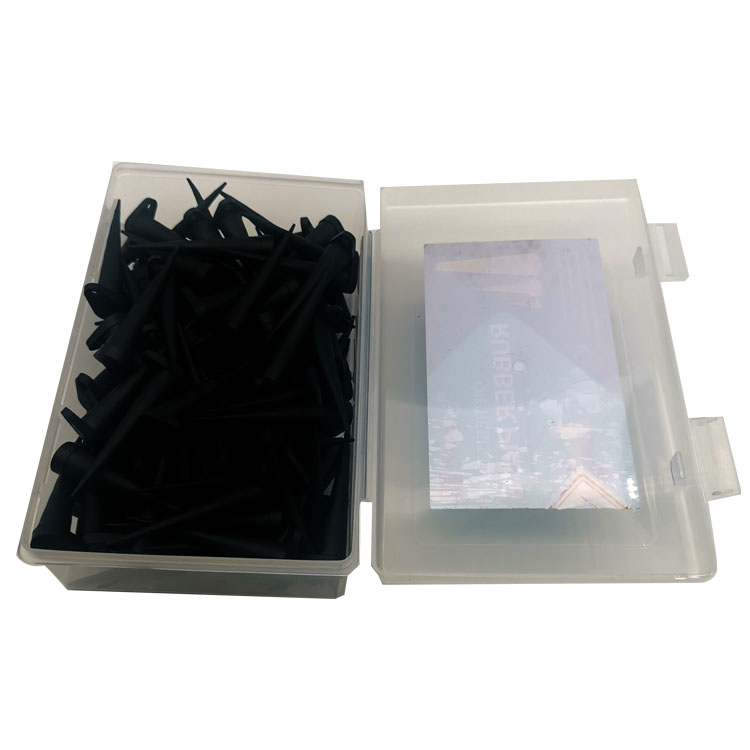
Understanding the Importance of Proper Fitment
Before delving into the specifics of ensuring proper fitment, it is vital to understand why it matters. Rubber plugs are designed to create a tight seal between two surfaces, preventing the ingress or egress of fluids and gases. A well-fitted plug will:
Prevent Leaks: A secure fit ensures that there are no gaps or spaces where fluids can escape or enter.
Maintain Pressure: In systems where pressure is a critical factor, a proper fit prevents pressure loss, ensuring optimal performance.
Protect Components: By sealing out moisture, dirt, and other contaminants, rubber plugs protect sensitive components from damage.
Enhance Safety: In applications where leaks can pose safety risks, such as in hydraulic systems or fuel lines, proper fitment is essential to prevent accidents.
Selecting the Right Rubber Plug
The first step in ensuring proper fitment is selecting the right rubber plug for the job. This involves considering several factors:
Material Compatibility:
Rubber plugs are available in various materials, such as natural rubber, nitrile, neoprene, and silicone.
The choice of material depends on the compatibility with the fluid or gas being sealed, the operating temperature, and the chemical environment.
For instance, nitrile rubber is suitable for oil-based fluids, while silicone is ideal for high-temperature applications.
Size and Shape:
Rubber plugs come in different sizes and shapes to fit various openings.
Measure the diameter and depth of the hole or opening accurately to select a plug that matches these dimensions.
Consider the shape of the opening; some plugs are designed for round holes, while others may accommodate irregular shapes.
Pressure Rating:
Ensure that the rubber plug can withstand the pressure levels in your application.
Check the manufacturer's specifications for the maximum pressure the plug can handle.
Environmental Conditions:
Consider the environmental conditions the plug will be exposed to, such as UV radiation, moisture, and extreme temperatures.
Choose a material that can withstand these conditions without deteriorating.
Preparing for Installation
Once you have selected the appropriate rubber plug, the next step is to prepare for installation. Proper preparation ensures that the plug will fit correctly and create a secure seal.
Clean the Surface:
Thoroughly clean the surface where the plug will be installed.
Remove any dirt, grease, or debris that could interfere with the seal.
Use a suitable cleaning agent that is compatible with the rubber material.
Inspect the Plug:
Before installation, inspect the rubber plug for any defects or damage.
Check for cracks, tears, or deformities that could compromise the seal.
Ensure that the plug is the correct size and shape for the application.
Lubrication:
In some cases, it may be necessary to lubricate the plug or the surface to facilitate installation.
Use a lubricant that is compatible with the rubber material and the fluid or gas being sealed.
Apply a thin layer of lubricant to the plug or the surface to avoid excessive force during installation.
Installing the Rubber Plug
With the preparation complete, you can now proceed with installing the rubber plug. Follow these steps to ensure proper fitment:
Position the Plug:
Align the rubber plug with the opening or hole.
Ensure that the plug is oriented correctly, especially if it has a specific shape or design.
Insert the Plug:
Gently insert the plug into the opening, applying even pressure.
Avoid using excessive force, as this could damage the plug or the surface.
If the plug is tight, use a tool such as a rubber mallet to tap it into place gently.
Check the Fit:
Once the plug is installed, check the fit by inspecting the seal.
Ensure that there are no gaps or spaces between the plug and the surface.
If necessary, use a sealant or adhesive to enhance the seal, following the manufacturer's instructions.
Test the Seal:
After installation, test the seal by applying pressure or introducing a fluid or gas to the system.
Monitor for any leaks or signs of pressure loss.
If leaks are detected, remove the plug, inspect the surface and the plug, and reinstall following the steps above.
Maintenance and Inspection
Proper fitment of rubber plugs is not just a one-time task; it also involves regular maintenance and inspection to ensure that the plugs continue to perform as intended.
Regular Inspections:
Schedule regular inspections of the rubber plugs to check for signs of wear, damage, or deterioration.
Replace any plugs that show signs of wear or damage to prevent leaks and system failures.
Cleaning and Lubrication:
Clean the plugs and the surrounding surfaces periodically to remove dirt, grease, and debris.
Reapply lubricant as needed to maintain a smooth and secure fit.
Environmental Considerations:
Monitor the environmental conditions that the plugs are exposed to, and take appropriate measures to protect them.
For example, if the plugs are exposed to UV radiation, consider using a protective coating or shield.
Replacement Schedule:
Establish a replacement schedule for the rubber plugs based on the manufacturer's recommendations and the operating conditions.
Replace the plugs before they reach the end of their service life to prevent unexpected failures.
Ensuring proper fitment of rubber plugs is essential for the efficient and effective functioning of various systems and equipment. By selecting the right plug, preparing the surface, following proper installation procedures, and maintaining regular inspections, you can ensure that the rubber plugs create a secure and lasting seal. Remember to consider material compatibility, size and shape, pressure rating, and environmental conditions when selecting a plug, and always follow the manufacturer's instructions for installation and maintenance. With proper care and attention, rubber plugs can provide reliable sealing performance, protecting your equipment and ensuring the safety and integrity of your systems.
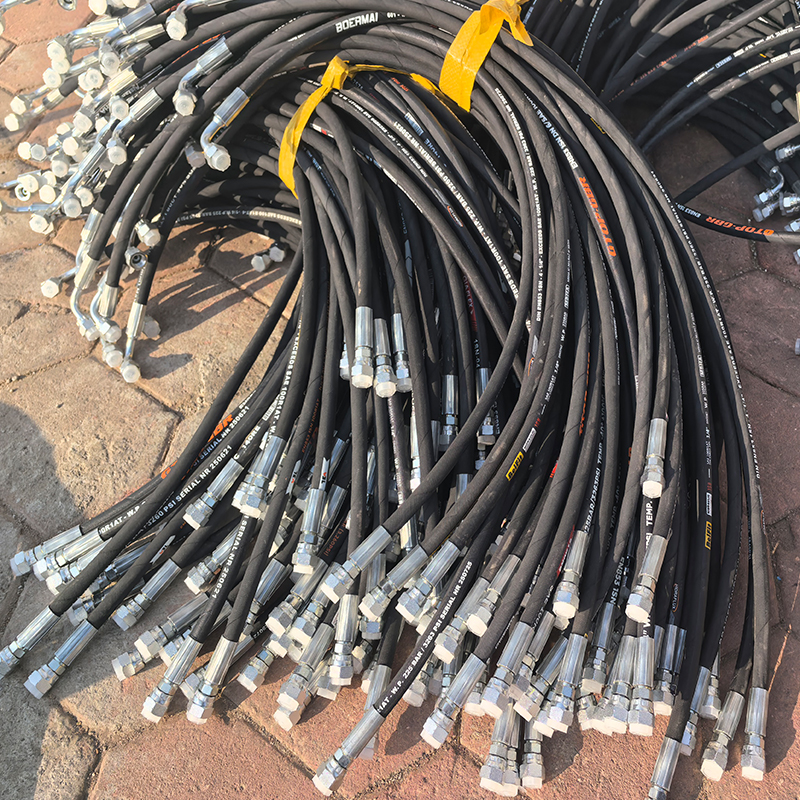 How to Create a Proactive Spiral Hydraulic Hose Replacement Plan That Prevents Downtime?
 Is Your Hydraulic System Overstressing? 5 Diagnostic Signs You Need to Upgrade to Spiral Hose
 Is Your Hydraulic System Pushing Limits? When to Specify Spiral Hose vs. Braided?
 Is Your Machinery Demanding More? Why Upgrade to a Spiral Hydraulic Hose?