
In the realm of mechanical engineering and assembly processes, the alignment of components is critical to ensuring the functionality, durability, and overall performance of a system. One seemingly minor yet essential aspect of this is the proper alignment of rubber plugs. Whether they are used in automotive engines, industrial machinery, or any other mechanical application, rubber plugs serve various purposes such as sealing, insulating, or protecting parts from environmental factors. Misalignment of these plugs can lead to leaks, reduced efficiency, and even system failures. Therefore, it is imperative to understand and implement best practices for ensuring proper rubber plug alignment.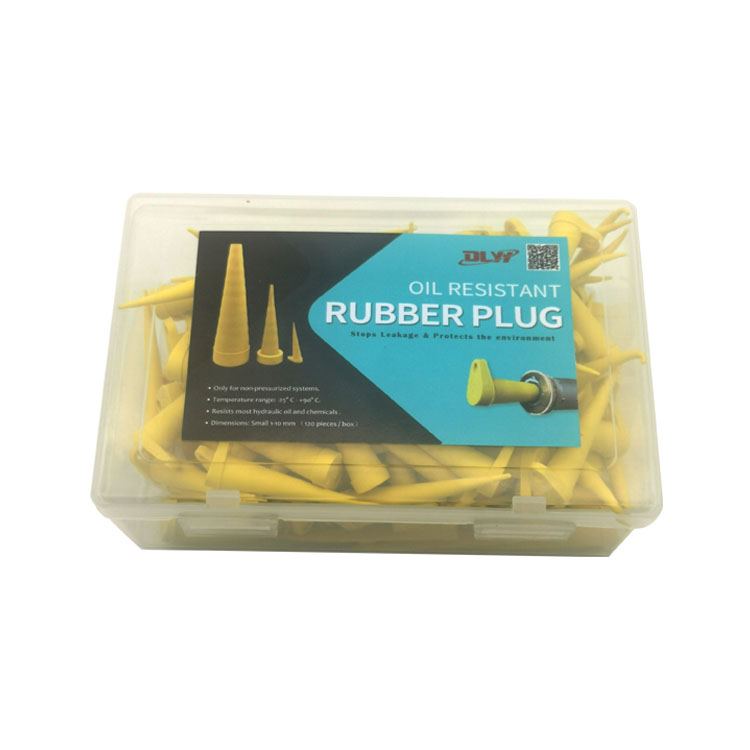
Understanding the Importance of Rubber Plug Alignment
Rubber plugs, due to their material properties, offer flexibility and resilience. They can conform to irregular surfaces, providing a tight seal against fluids, dust, and other contaminants. However, their effectiveness largely depends on their correct placement and alignment. Misaligned plugs can create gaps, allowing foreign materials to penetrate or fluids to escape, compromising the integrity of the system.
Moreover, improper alignment can cause stress on the plug and the surrounding components. Over time, this stress can lead to premature wear and tear, necessitating frequent replacements and increasing maintenance costs. In extreme cases, misaligned plugs can cause system malfunctions, leading to downtime and potential safety hazards.
Factors Affecting Rubber Plug Alignment
Several factors can influence the alignment of rubber plugs during installation. These include:
Component Tolerance: Variations in the dimensions of the plug and the mating part can affect alignment. Manufacturing tolerances can result in slight differences in size and shape, making it challenging to achieve a perfect fit.
Installation Technique: The method used to install the plug can significantly impact its alignment. Excessive force, incorrect insertion angle, or failure to follow recommended installation procedures can lead to misalignment.
Environmental Conditions: Temperature fluctuations and exposure to chemicals or moisture can cause the rubber material to expand or contract, affecting its alignment over time.
Design Considerations: The design of the plug and the mating part must account for factors such as thermal expansion, vibration, and the need for easy installation and removal.
Steps to Ensure Proper Rubber Plug Alignment
To ensure proper rubber plug alignment, it is essential to follow a systematic approach that addresses the aforementioned factors. Here are some key steps:
1. Inspect Components
Before installation, thoroughly inspect both the rubber plug and the mating part for any defects or damage. Check for burrs, cracks, or other imperfections that could affect alignment. Also, verify that the dimensions of the plug and the mating part are within the specified tolerances.
2. Prepare the Mating Surface
The mating surface should be clean, dry, and free of any debris or contaminants that could interfere with the alignment or sealing capability of the plug. Use appropriate cleaning agents and tools to ensure the surface is properly prepared.
3. Lubricate the Plug (if necessary)
In some cases, lubricating the plug can facilitate easier installation and help achieve proper alignment. However, care must be taken to select a lubricant that is compatible with the rubber material and will not compromise its sealing properties.
4. Follow Recommended Installation Procedures
Refer to the manufacturer's guidelines for the correct installation procedure. Pay close attention to the recommended insertion angle, force, and any specific steps or tools required for the installation. Using specialized tools designed for the task can help ensure precise alignment.
5. Check Alignment During Installation
As you insert the plug, periodically check its alignment with the mating part. If you encounter resistance or notice any misalignment, stop and re-evaluate the installation process. Forcing the plug into place can cause damage and lead to improper alignment.
6. Secure the Plug
Once the plug is properly aligned, secure it in place according to the manufacturer's instructions. This may involve using clamps, screws, or other fasteners. Ensure that these securing devices do not apply excessive force that could distort the plug or the mating part.
7. Post-Installation Inspection
After installation, conduct a thorough inspection to verify that the plug is correctly aligned and securely in place. Check for any signs of misalignment, such as gaps or uneven surfaces. Additionally, test the system to ensure that the plug is functioning as intended and providing the necessary seal or protection.
8. Monitor Performance
Regularly monitor the performance of the system and the condition of the rubber plug. Look for any signs of wear, leakage, or other indicators of potential misalignment. Address any issues promptly to prevent more significant problems from developing.
Best Practices for Rubber Plug Alignment
To further enhance the likelihood of achieving proper rubber plug alignment, consider the following best practices:
Training: Ensure that all personnel involved in the installation process are adequately trained on the correct procedures and techniques.
Quality Control: Implement a quality control process to inspect and verify the alignment of rubber plugs during and after installation.
Documentation: Maintain detailed records of the installation process, including any challenges encountered and how they were resolved. This information can be valuable for future installations and troubleshooting.
Continuous Improvement: Regularly review and update installation procedures based on feedback from personnel and any changes in the system or components.
Proper rubber plug alignment is crucial for maintaining the integrity and performance of mechanical systems. By understanding the factors that affect alignment and following a systematic approach to installation, you can ensure that rubber plugs are correctly aligned and functioning as intended. Implementing best practices, such as training, quality control, documentation, and continuous improvement, can further enhance the likelihood of achieving and maintaining proper alignment. By paying attention to these details, you can help prevent leaks, reduce maintenance costs, and extend the lifespan of your mechanical systems.
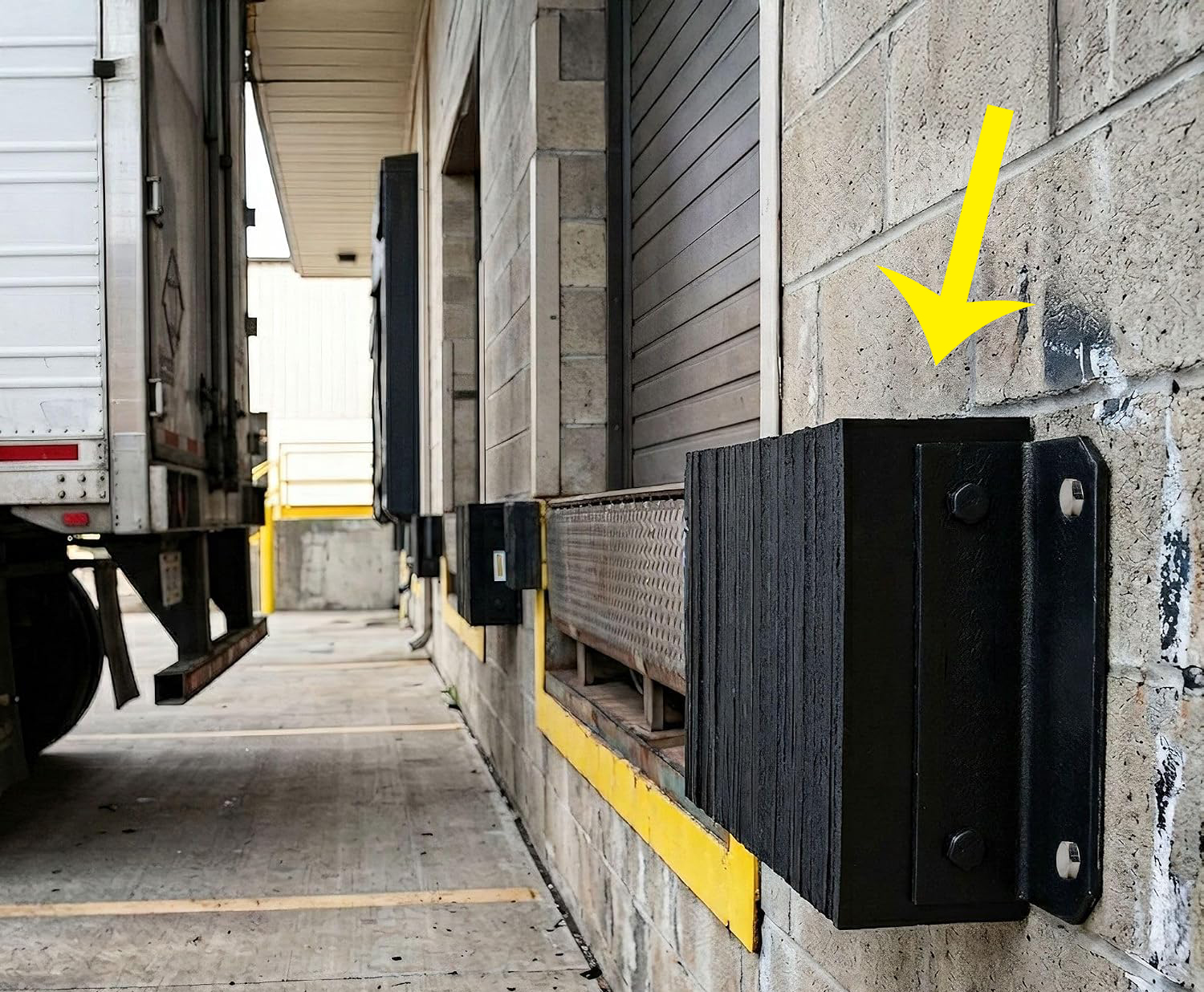 Rubber Laminated Loading Dock Bumper with Steel Angle: 5 Field Failure Signs That Point Back to the RFQ
 Bridge Bearing Pad Field Failure: 5 Visual Signs Before It Retires (And What Caused It)
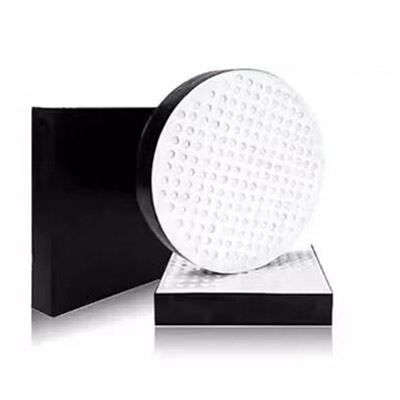 Bridge Bearing Pad RFQ Checklist: 9 Lines That Stop Suppliers From Subbing the Rubber
 Laminated Rubber Bearing: Maintenance and Inspection Protocols