
In the realm of oil and gas exploration, the intricate dance of technology and nature demands precision, durability, and innovation at every turn. Among the myriad of components that facilitate the extraction of these valuable resources, rubber plugs stand as unsung heroes, playing a critical yet often overlooked role. These unassuming devices are integral to a range of applications, from sealing drill holes to managing pressure within wellbores, ensuring operational efficiency and safety in the harsh, unpredictable environments of oil and gas fields.
The Importance of Rubber Plugs in Oil and Gas Industry
The oil and gas industry is characterized by its complexity and the extreme conditions under which operations take place. From the searing heat of deserts to the freezing depths of offshore drilling platforms, equipment must withstand tremendous pressure, corrosive substances, and constant wear and tear. Rubber plugs, specifically designed for such demanding environments, offer a versatile and reliable solution to many of the industry's challenges.
One of the primary functions of rubber plugs is to provide an effective seal. Whether it's sealing off a wellbore during maintenance, isolating specific sections of a pipeline for repair work, or preventing the ingress of fluids and gases during drilling operations, rubber plugs are essential for maintaining the integrity of the system. A properly sealed wellbore ensures that valuable resources are not lost to leaks, while also protecting the environment and worker safety.
Types of Rubber Plugs
Rubber plugs come in various shapes, sizes, and materials, each tailored to specific applications within the oil and gas sector. Some of the most common types include:
Drilling Plugs: These are used during the drilling process to seal off the wellbore when the drill bit is removed for tool changes or when the rig is moved to a new location. They are designed to withstand high pressures and temperatures, ensuring a tight seal even in the most demanding conditions.
Packer Plugs: Packers are used to isolate specific sections of a wellbore, allowing for targeted treatment or production from specific zones. Rubber packer plugs provide a flexible, durable barrier that can be inflated or mechanically set to create a seal against the wellbore wall.
Testing Plugs: Used in well testing operations, these plugs are designed to withstand the high pressures encountered during pressure testing, ensuring accurate results and safe operations.
Cementing Plugs: During the cementing process, rubber plugs play a crucial role in controlling the flow of cement and preventing it from contaminating other sections of the wellbore. They are often used in conjunction with cementing tools to ensure a proper cement job, which is vital for the structural integrity of the well.
Material Selection and Design Considerations
The choice of rubber material for these plugs is critical, as it must balance durability, flexibility, and resistance to the harsh chemicals and extreme temperatures found in oil and gas environments. Common materials include nitrile rubber (NBR), which offers good oil resistance; fluoroelastomers (FKM), known for their high temperature and chemical resistance; and ethylene propylene diene monomer (EPDM), which is highly resistant to weathering and ozone.
Design considerations also play a pivotal role. The shape and size of the plug must conform to the specific requirements of the wellbore and the operation at hand. For instance, a plug intended for high-pressure applications will have a different design than one used for low-pressure sealing. The surface finish, hardness, and compression set of the rubber are also critical factors that can affect the plug's performance and longevity.
Environmental and Safety Benefits
In addition to their functional benefits, rubber plugs contribute to environmental sustainability and worker safety in the oil and gas industry. By effectively sealing wellbores and pipelines, they help prevent spills and leaks, which can have devastating effects on ecosystems and local communities. Moreover, the use of high-quality rubber materials reduces the need for frequent replacements, minimizing waste and the associated environmental impact.
From a safety perspective, reliable rubber plugs help prevent accidents caused by uncontrolled pressure releases or fluid leaks. They provide a barrier that can withstand the extreme pressures encountered in deepwater drilling and high-pressure wellbores, reducing the risk of blowouts and other catastrophic events.
Innovations in Rubber Plug Technology
The oil and gas industry is constantly evolving, and rubber plug technology is no exception. Innovations in material science have led to the development of new rubber compounds that offer improved resistance to high temperatures, chemicals, and wear. These advanced materials enable rubber plugs to perform better and last longer, even in the most challenging environments.
Furthermore, advancements in manufacturing techniques have allowed for the production of rubber plugs with more precise dimensions and finishes, enhancing their sealing capabilities. Some manufacturers are also incorporating smart technologies, such as sensors and monitoring systems, into their plugs to provide real-time data on pressure, temperature, and seal integrity.
Rubber plugs may seem like a small component in the grand scheme of oil and gas exploration, but their importance cannot be overstated. They are vital for maintaining the integrity of wellbores, preventing leaks, and ensuring safe, efficient operations. As the industry continues to face new challenges, from deeper drilling depths to more extreme environments, the role of rubber plugs will become even more critical.
By investing in high-quality materials, innovative designs, and advanced manufacturing techniques, the oil and gas industry can harness the full potential of rubber plugs. These unassuming devices will continue to play a pivotal role in the extraction of valuable resources, while also contributing to environmental sustainability and worker safety. As the industry moves forward, the ongoing evolution of rubber plug technology will undoubtedly be a key driver of progress, enabling more efficient, reliable, and sustainable oil and gas exploration.
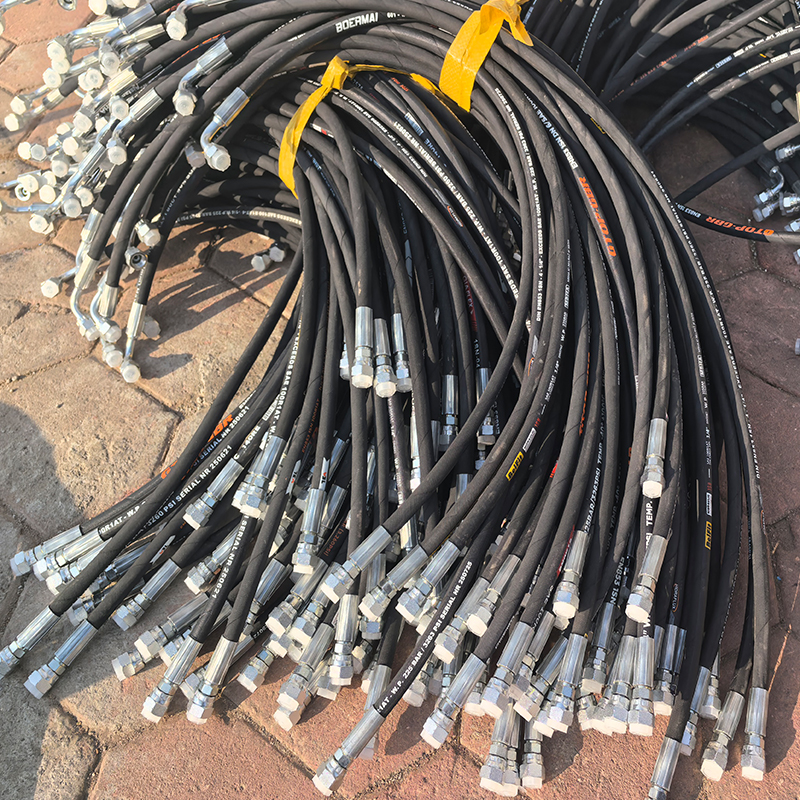 How to Create a Proactive Spiral Hydraulic Hose Replacement Plan That Prevents Downtime?
 Is Your Hydraulic System Overstressing? 5 Diagnostic Signs You Need to Upgrade to Spiral Hose
 Is Your Hydraulic System Pushing Limits? When to Specify Spiral Hose vs. Braided?
 Is Your Machinery Demanding More? Why Upgrade to a Spiral Hydraulic Hose?