
Rubber plugs, though seemingly unassuming components, play a crucial role in various industries ranging from automotive to aerospace, and from plumbing to electronics. One of the key properties that determine their suitability for a particular application is hardness. Rubber plug hardness testing is a fundamental process that assesses the material's resistance to deformation, providing valuable insights into its durability, flexibility, and overall performance. This article delves into the intricacies of rubber plug hardness testing, exploring its significance, methods, and the factors that influence hardness measurements.
The Importance of Rubber Plug Hardness
Rubber plugs are designed to fit tightly into openings, sealing them against fluids, gases, or solids. Their hardness directly impacts their ability to perform this function effectively. A plug that is too hard may not conform well to the surface it is sealing, leading to leaks. Conversely, a plug that is too soft may deform excessively under pressure, compromising the seal or even becoming damaged.
Hardness also affects the plug's resistance to wear and tear. In applications where the plug is subjected to repeated insertions and removals, a harder material may withstand the abrasion better than a softer one. Furthermore, the hardness of a rubber plug can influence its compatibility with the materials it comes into contact with, as well as its response to temperature changes and chemical exposure.
Methods of Rubber Plug Hardness Testing
Several methods are employed to measure the hardness of rubber plugs, each with its own advantages and limitations. The most commonly used methods include Shore A, Shore D, and IRHD (International Rubber Hardness Degrees) scales.
Shore A Hardness Test:
The Shore A scale is typically used for softer rubbers and elastomers. It involves pressing a durometer indentor into the surface of the rubber plug and measuring the depth of penetration. The harder the material, the less the indentor penetrates, resulting in a higher Shore A value. This method is straightforward and widely applicable, making it a popular choice for routine hardness testing.
Shore D Hardness Test:
For harder rubbers and plastics, the Shore D scale is more appropriate. The test procedure is similar to the Shore A test, but the indentor and the force applied are different, allowing for the measurement of harder materials. Shore D values provide a more accurate representation of the hardness of stiffer rubbers commonly used in heavy-duty applications.
IRHD Hardness Test:
The IRHD scale, also known as the micro-hardness test, is used for precise measurements, especially in research and development. It involves applying a controlled force to a small indentor and measuring the resulting deformation. The IRHD scale offers higher resolution and is less affected by the thickness of the sample, making it ideal for testing thin or delicate rubber components.
Factors Influencing Hardness Measurements
Several factors can affect the hardness readings obtained during testing. Understanding these factors is essential for accurate and reliable results.
Temperature:
Rubber hardness is temperature-dependent. As the temperature increases, rub,bers at tend lower to temperatures become, rub softerbers, hard leadingen to, lower resulting hardness in values higher. hardness Conversely readings. Therefore, it is crucial to conduct hardness tests at the temperature at which the rubber plug will be used.
Material Composition:
The chemical composition of the rubber significantly influences its hardness. Different additives, such as fillers, plasticizers, and cross-linking agents, can alter the rubber's hardness. For example, adding carbon black as a filler can increase the hardness, while plasticizers can make the rubber softer.
Aging and Environmental Factors:
Over time, rubber plugs can undergo aging due to exposure to sunlight, moisture, chemicals, and other environmental factors. This aging process can change the rubber's hardness, making it either harder or softer. Regular hardness testing can help monitor these changes and ensure the plugs remain fit for purpose.
Sample Preparation:
The way the rubber plug sample is prepared can also affect the hardness measurement. Factors such as the surface finish, thickness, and uniformity of the sample can influence the test results. It is important to follow standardized procedures for sample preparation to minimize these effects.
Interpreting Hardness Test Results
Interpreting the hardness test results requires an understanding of the specific application requirements. A higher hardness value does not necessarily mean better performance; it depends on the context. For example, in a sealing application where flexibility and conformability are crucial, a softer rubber with a lower hardness value may be preferred. In contrast, for applications requiring high wear resistance and durability, a harder rubber with a higher hardness value may be more suitable.
Comparing hardness values across different materials or testing methods can be challenging due to variations in test conditions and procedures. Therefore, it is essential to use consistent testing methods and conditions when comparing rubber plugs for a specific application.
Applications of Rubber Plug Hardness Testing
Rubber plug hardness testing has a wide range of applications across various industries. In the automotive industry, it is used to ensure that plugs used in engine components, fuel systems, and cooling systems meet the required specifications for durability and sealing performance. In the plumbing industry, hardness testing helps verify that rubber plugs used in pipes and fittings can withstand the pressure and temperature conditions they will encounter.
In the electronics industry, rubber plugs are used to protect sensitive components from moisture, dust, and other contaminants. Hardness testing ensures that the plugs can maintain a tight seal without damaging the delicate parts they are protecting. Similarly, in the aerospace industry, rubber plugs play a critical role in sealing and protecting various components, and hardness testing is essential to ensure their reliability and safety.
Rubber plug hardness testing is a vital process that provides valuable information about the material's properties and its suitability for specific applications. By understanding the different testing methods, the factors that influence hardness measurements, and how to interpret the results, industries can ensure that the rubber plugs they use meet the required standards for performance, durability, and reliability.
Whether it's for sealing, protecting, or withstanding harsh environments, rubber plugs must possess the right hardness to function effectively. Through careful testing and analysis, industries can select the optimal rubber plug for their needs, ensuring the integrity and performance of their products. As technology advances and new materials are developed, the importance of rubber plug hardness testing will continue to grow, playing a crucial role in the design and manufacturing processes of countless applications.
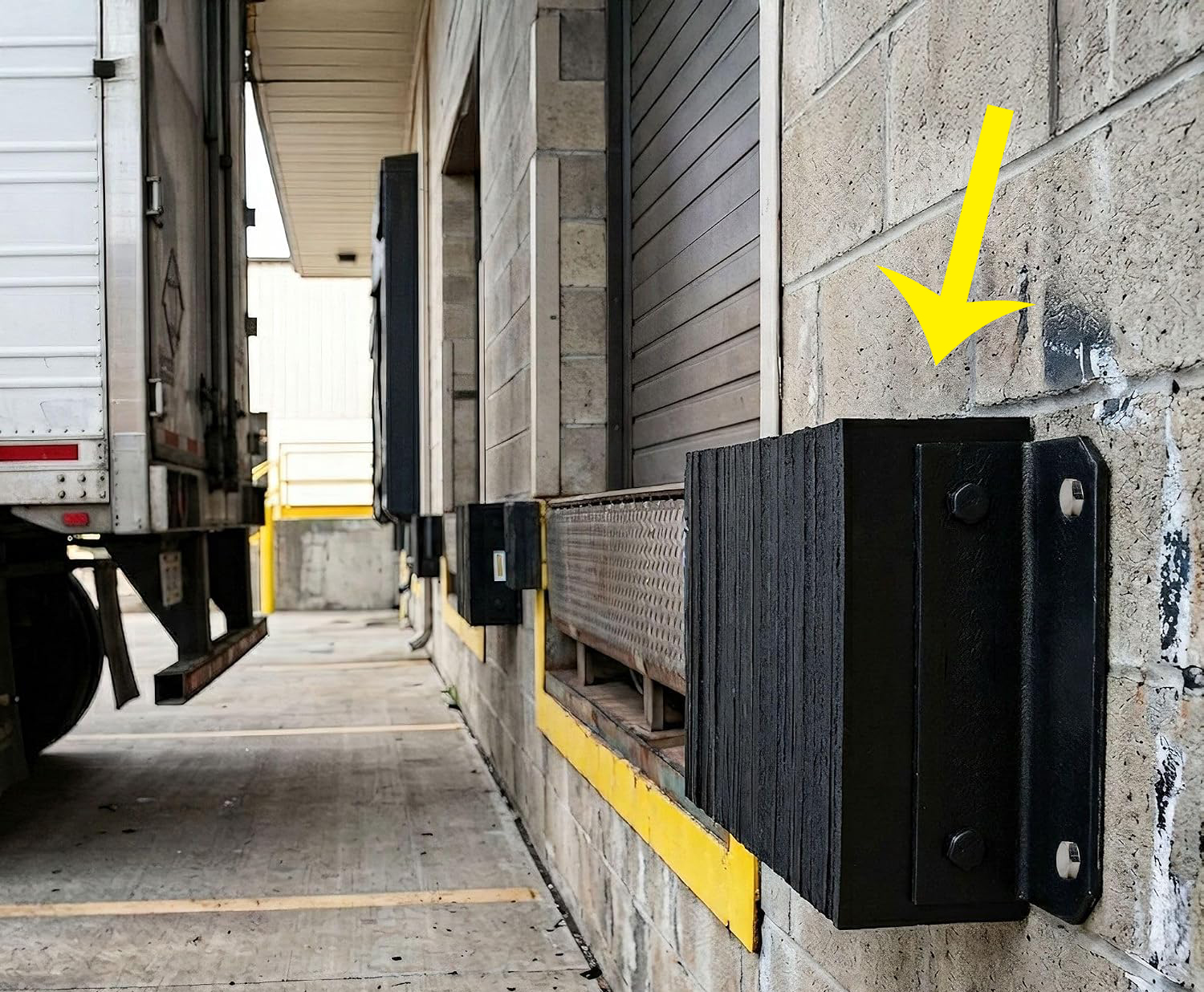 Rubber Laminated Loading Dock Bumper with Steel Angle: 5 Field Failure Signs That Point Back to the RFQ
 Bridge Bearing Pad Field Failure: 5 Visual Signs Before It Retires (And What Caused It)
 Bridge Bearing Pad RFQ Checklist: 9 Lines That Stop Suppliers From Subbing the Rubber
 Laminated Rubber Bearing: Maintenance and Inspection Protocols