
Rubber plugs, though seemingly simple components, play a crucial role in various industries and applications, from plumbing to automotive, and even in marine environments. Their primary function is to provide a watertight or airtight seal in openings or holes, preventing leakage and ensuring the integrity of the system. However, the installation of rubber plugs is not as straightforward as it may seem. Many professionals and DIY enthusiasts alike often encounter common mistakes that can compromise the effectiveness of these plugs. This article aims to provide comprehensive guidance on how to avoid these pitfalls and ensure a successful rubber plug installation.
Understanding the Importance of Rubber Plugs
Before delving into the installation process, it's essential to understand why rubber plugs are vital. These small but mighty components are designed to withstand pressure, temperature fluctuations, and exposure to chemicals, making them ideal for sealing applications. They are cost-effective, easy to install, and available in various sizes, shapes, and materials to suit different needs. Whether you're sealing a pipe, a drain, or a hole in a boat, the right rubber plug can make all the difference in preventing leaks and maintaining system efficiency.
Common Mistakes in Rubber Plug Installation
Choosing the Wrong Size or Type of Plug
One of the most frequent mistakes is selecting a rubber plug that doesn't fit the opening properly. A plug that is too small will fail to create a tight seal, while one that is too large can cause damage to the surrounding area or be difficult to install. Always measure the opening accurately and consult the manufacturer's specifications to choose the right size and type of plug for your application.
Ignoring Material Compatibility
Rubber plugs come in different materials, such as natural rubber, silicone, neoprene, and more. Each material has its own set of properties and compatibility with various fluids and environments. Using a plug made of incompatible material can lead to premature degradation, swelling, or hardening, compromising the seal. Research the properties of different rubber materials and choose one that is suitable for your specific application.
Improper Installation Techniques
Another common mistake is improper installation. Forcing the plug into the opening can cause it to tear or stretch, while not inserting it deep enough can result in a loose fit. Follow the recommended installation procedures, which may include lubricating the plug, using a tool to gently push it in place, or ensuring it is aligned correctly before applying pressure.
Overtightening or Undertightening
When using threaded rubber plugs or those that require clamping, finding the right tightness is crucial. Overtightening can crush the rubber, damaging the plug and the surrounding material, while undertightening can lead to leaks. Use a torque wrench or follow the manufacturer's guidelines for the correct tightening specifications.
Neglecting Regular Inspection and Maintenance
Rubber plugs, like any other component, are subject to wear and tear over time. Failing to inspect and maintain them regularly can result in unexpected leaks or failures. Establish a routine maintenance schedule to check for signs of wear, cracking, or deformation, and replace the plugs as needed.
Steps to Avoid These Mistakes
Accurate Measurement and Specification Matching
Begin by accurately measuring the diameter, depth, and any other relevant dimensions of the opening. Compare these measurements with the specifications provided by the rubber plug manufacturer. Ensure that the plug you choose is designed for the specific application, whether it's for high pressure, high temperature, or chemical resistance.
Material Selection Based on Application
Consider the environment in which the rubber plug will be used. If it will be exposed to oil, gasoline, or other chemicals, choose a material that is resistant to these substances. For high-temperature applications, select a plug made from heat-resistant rubber. Always consult the material compatibility chart or the manufacturer's recommendations.
Proper Preparation and Installation
Before installation, clean the opening and remove any debris or burrs that could interfere with the seal. If necessary, lubricate the plug with a compatible lubricant to facilitate easy insertion. Follow the installation instructions carefully, ensuring the plug is aligned correctly and inserted to the proper depth. Use tools if needed, but avoid excessive force that could damage the plug.
Correct Tightening Procedures
If the rubber plug requires tightening, use a torque wrench or follow the manufacturer's torque specifications. Tighten the plug gradually and evenly, avoiding sudden jerks or overtightening. For clamped connections, ensure the clamp is securely fastened but not so tight that it distorts the plug or the surrounding material.
Regular Inspection and Replacement
Incorporate rubber plug inspection into your routine maintenance schedule. Check for any signs of wear, such as cracks, tears, or deformation. Also, look for evidence of leakage or loosening. Replace any worn or damaged plugs immediately to prevent potential failures.
Environmental Considerations
Be mindful of the environmental conditions where the rubber plug will be used. Extreme temperatures, UV exposure, and saltwater can all affect the lifespan of the plug. Choose materials and designs that can withstand these conditions, and consider additional protective measures, such as shading or covering the plug to shield it from harsh elements.
Training and Best Practices
Ensure that anyone involved in the installation or maintenance of rubber plugs is properly trained. Provide them with the necessary tools, equipment, and information to perform the task correctly. Encourage the adoption of best practices and emphasize the importance of following procedures to avoid mistakes.
Rubber plugs may be small, but their role in maintaining system integrity is significant. Avoiding common installation mistakes can prevent leaks, damage, and downtime, ensuring that your systems operate efficiently and reliably. By understanding the importance of rubber plugs, choosing the right size and material, following proper installation techniques, and implementing regular inspection and maintenance routines, you can avoid these pitfalls and ensure the longevity and effectiveness of your rubber plugs. Whether you're a professional or a DIY enthusiast, taking the time to do it right will pay off in the long run.
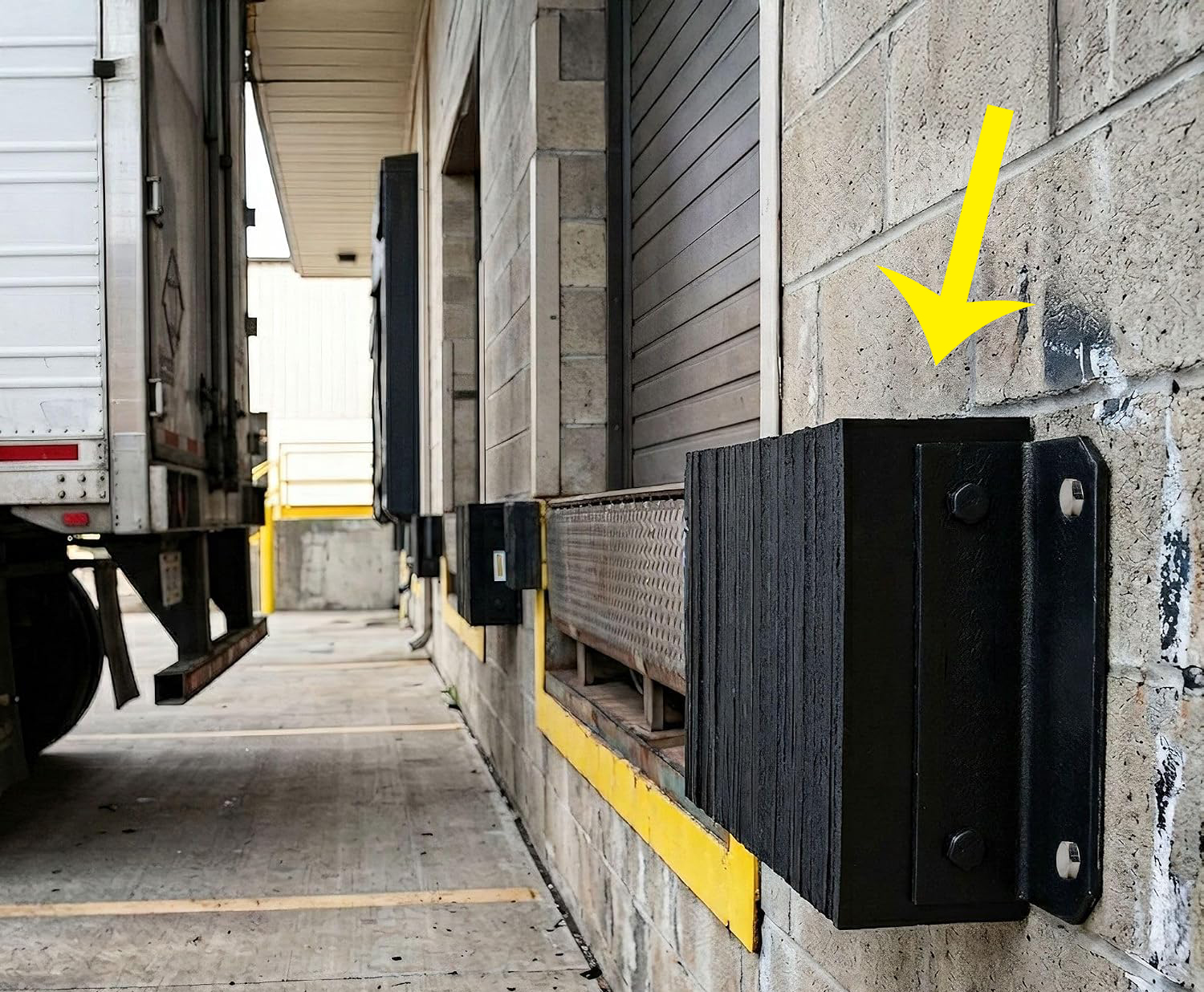 Rubber Laminated Loading Dock Bumper with Steel Angle: 5 Field Failure Signs That Point Back to the RFQ
 Bridge Bearing Pad Field Failure: 5 Visual Signs Before It Retires (And What Caused It)
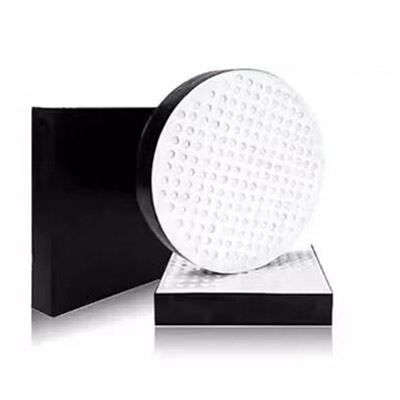 Bridge Bearing Pad RFQ Checklist: 9 Lines That Stop Suppliers From Subbing the Rubber
 Laminated Rubber Bearing: Maintenance and Inspection Protocols