
In the realm of renewable energy, solar power stands out as one of the most promising and rapidly developing sectors. With the global shift towards sustainable energy solutions, solar energy systems have become increasingly prevalent, integrating seamlessly into residential, commercial, and industrial applications. One seemingly minor yet crucial component in these systems is the rubber plug. Often overlooked, rubber plugs play a vital role in ensuring the efficiency, safety, and longevity of solar energy installations. This article delves into the various applications of rubber plugs in solar energy systems, highlighting their importance and the specific functions they serve.
1. Sealing and Protection
One of the primary functions of rubber plugs in solar energy systems is sealing and protection. Solar panels, inverters, batteries, and other components are often exposed to harsh environmental conditions, including rain, dust, and extreme temperatures. Rubber plugs are used to seal openings and connections, preventing moisture, dirt, and debris from entering sensitive areas.
For instance, during the installation of solar panels, cables need to pass through the panel frame to connect to the electrical system. Without proper sealing, these openings could allow water to seep in, causing short circuits and damage to the electronics. Rubber plugs, specifically designed to fit these openings, provide a watertight seal, ensuring the integrity of the electrical connections and prolonging the lifespan of the panels.
Similarly, in solar inverters and battery enclosures, rubber plugs are used to seal cable entry points, ventilation holes, and access ports. This sealing not only protects against environmental elements but also prevents the ingress of pests, which could gnaw on wires or cause other forms of damage.
2. Vibration Damping and Shock Absorption
Solar energy systems are subject to various forms of mechanical stress, including vibrations and shocks. These can originate from wind, thermal expansion and contraction, or even physical handling during installation and maintenance. Rubber plugs, due to their elastomeric properties, are excellent at damping vibrations and absorbing shocks.
In solar panel mounting systems, rubber grommets or plugs are often used between the panel and the mounting frame. These components help to reduce the transmission of vibrations from the frame to the panel, minimizing the risk of damage to the delicate cells within the panel. Additionally, they provide a cushioning effect, protecting the panels from impacts that could occur during transportation or installation.
Furthermore, rubber plugs are used in the construction of solar trackers. These devices follow the sun's movement throughout the day to maximize the amount of sunlight captured by the panels. The mechanical parts of trackers, such as gears and pivots, experience significant stress and wear. Rubber plugs or bushings in these components help to absorb shocks and dampen vibrations, enhancing the reliability and durability of the trackers.
3. Insulation and Electrical Isolation
In solar energy systems, electrical safety is paramount. Rubber plugs, being excellent insulators, play a crucial role in ensuring electrical isolation between different components. This is particularly important in preventing short circuits and electrical shocks.
For example, in solar panel junction boxes, rubber gaskets or plugs are used to insulate the terminals and connectors from the metal enclosure. This insulation prevents accidental contact between live parts and the enclosure, reducing the risk of electrical hazards. Similarly, in cable glands and connectors, rubber inserts provide an additional layer of insulation, ensuring that the electrical connections remain safe and secure.
Moreover, rubber plugs are used in the design of solar inverters and other electrical equipment to isolate high-voltage components from the external environment. This not only protects against electrical shocks but also prevents the ingress of moisture, which could lead to insulation breakdown and equipment failure.
4. Thermal Management
Solar energy systems are subject to significant temperature fluctuations, which can affect their performance and longevity. Rubber plugs, with their thermal insulation properties, can help to manage these temperature changes, protecting the components from thermal stress.
In solar panel frames, rubber gaskets or plugs can act as thermal barriers, reducing the transfer of heat between the panel and the mounting structure. This can be particularly beneficial in high-temperature environments, where excessive heat could cause the panel to degrade prematurely.
Additionally, rubber plugs are used in the construction of solar thermal systems, which harness the sun's energy to heat water or other fluids. In these systems, rubber seals and gaskets are essential for maintaining the integrity of the fluid circuits, preventing leaks and ensuring efficient heat transfer.
5. Customization and Versatility
One of the key advantages of rubber plugs in solar energy systems is their customization and versatility. Rubber can be formulated to meet specific performance requirements, such as resistance to UV radiation, ozone, and chemicals. This makes it an ideal material for use in outdoor and industrial environments.
Furthermore, rubber plugs can be manufactured in various shapes, sizes, and hardness levels to suit different applications. For example, a soft, flexible plug might be used to seal a cable entry point in a solar panel, while a harder, more rigid plug might be used in a mechanical component to provide support and damping.
In conclusion, rubber plugs may seem like a small and insignificant component in solar energy systems, but their role is far from minor. They provide essential sealing, protection, vibration damping, shock absorption, insulation, and thermal management functions, contributing to the efficiency, safety, and longevity of solar installations. As the solar energy industry continues to grow and evolve, the importance of these versatile and reliable components will only become more apparent. By understanding and appreciating the role of rubber plugs, we can better appreciate the intricate and interconnected nature of solar energy systems, and the many ways in which they contribute to a sustainable and renewable energy future.
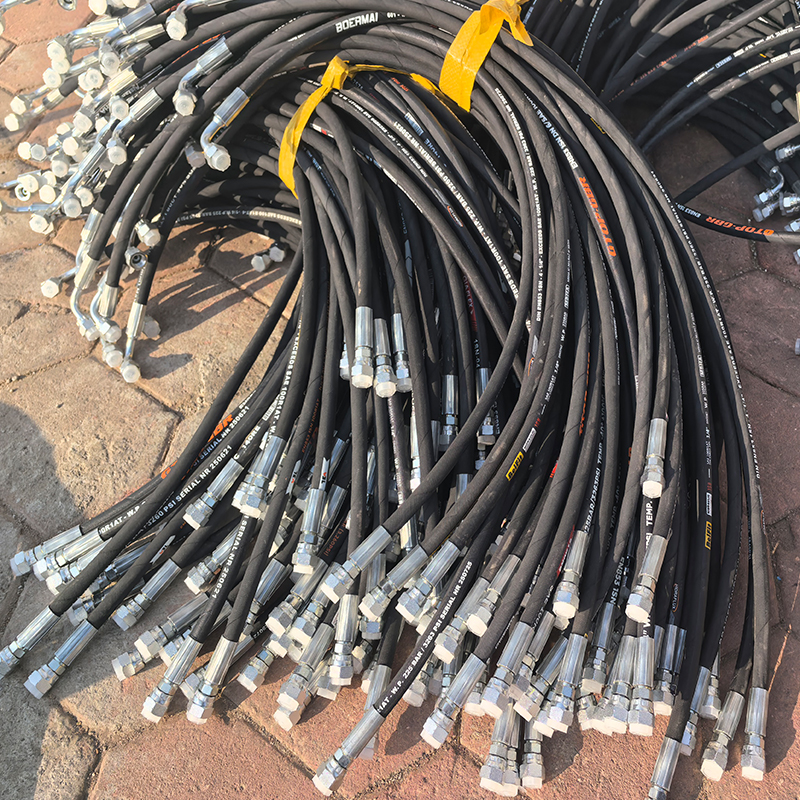 How to Create a Proactive Spiral Hydraulic Hose Replacement Plan That Prevents Downtime?
 Is Your Hydraulic System Overstressing? 5 Diagnostic Signs You Need to Upgrade to Spiral Hose
 Is Your Hydraulic System Pushing Limits? When to Specify Spiral Hose vs. Braided?
 Is Your Machinery Demanding More? Why Upgrade to a Spiral Hydraulic Hose?