
In the realm of renewable energy, wind turbines stand tall as giants harnessing the power of wind to generate clean, sustainable electricity. These colossal structures, with their sleek blades slicing through the air, are a testament to human ingenuity and the quest for a greener future. However, the efficiency and longevity of these turbines hinge on meticulous maintenance practices, where even the smallest component plays a crucial role. One such unsung hero in the maintenance regimen of wind turbines is the humble rubber plug.
Rubber plugs, though seemingly insignificant, are indispensable in safeguarding the integrity and functionality of wind turbines. They serve as versatile sealing devices that prevent moisture, dust, and debris from infiltrating sensitive areas of the turbine. This article delves into the multifaceted role of rubber plugs in wind turbine maintenance, exploring their design, applications, benefits, and the importance of their proper selection and installation.
Rubber plugs used in wind turbines are crafted from high-quality elastomers, which are materials known for their excellent elasticity, durability, and resistance to environmental factors. The choice of elastomer depends on the specific requirements of the application, including temperature resistance, chemical compatibility, and mechanical strength. Common materials include natural rubber, nitrile rubber, neoprene, silicone, and ethylene propylene diene monomer (EPDM) rubber.
The design of rubber plugs varies according to their intended use. Some are simple cylindrical or conical shapes designed to fit snugly into circular openings, while others may feature complex geometries tailored to match irregular or custom-shaped holes. Some plugs incorporate lips or flanges to enhance their sealing capabilities, ensuring a tight fit even under varying pressures and temperatures.
Applications in Wind Turbine Maintenance
Blade Maintenance: Wind turbine blades are susceptible to damage from weather elements, including rain, snow, and ice. Rubber plugs are used to seal access points, such as inspection hatches and drain holes, during maintenance or repairs. This prevents water ingress that could lead to corrosion or structural weakening of the blades.
Gearbox and Nacelle Sealing: The gearbox and nacelle house critical components, such as gears, bearings, and lubricants. Rubber plugs are employed to seal openings where cables, sensors, or pipes penetrate these enclosed spaces. This sealing is vital to protect against contamination and lubricant leakage, which could impair the performance and lifespan of the gearbox and nacelle components.
Electrical Compartment Protection: Wind turbines are equipped with sophisticated electrical systems that require protection from moisture and dust. Rubber plugs are used to seal electrical connectors, junction boxes, and other electrical entry points, ensuring the reliability and safety of the electrical systems.
Hydraulic and Lubrication Systems: Hydraulic systems in wind turbines rely on clean, dry oil to function efficiently. Rubber plugs are utilized to seal hydraulic fittings, valves, and reservoirs, preventing contaminants from entering the system and causing damage to pumps, cylinders, and other hydraulic components. Similarly, lubrication systems benefit from rubber plugs that seal grease fittings and reservoirs, maintaining the purity and effectiveness of the lubricants.
Benefits of Rubber Plugs
Cost-Effective Solution: Rubber plugs are a cost-effective means of providing reliable sealing in wind turbine maintenance. They are relatively inexpensive compared to other sealing methods, such as gaskets or custom-molded parts, and can be easily replaced when worn or damaged.
Ease of Installation and Removal: Rubber plugs are designed for easy installation and removal, allowing for quick access to the sealed areas during maintenance or repairs. This reduces downtime and labor costs associated with wind turbine maintenance.
Versatility and Adaptability: The wide range of elastomers and designs available makes rubber plugs versatile and adaptable to various sealing requirements in wind turbines. They can be customized to fit specific shapes and sizes, ensuring a perfect seal in diverse applications.
Environmental Resistance: Rubber plugs are highly resistant to environmental factors, such as UV radiation, ozone, temperature extremes, and chemical exposure. This ensures that they maintain their sealing properties over time, even in harsh operating conditions.
Proper Selection and Installation
To maximize the effectiveness of rubber plugs in wind turbine maintenance, it is essential to select the right type and size of plug for the application. Factors to consider include the material compatibility with the surrounding environment, the pressure and temperature ranges the plug will be subjected to, and the required sealing performance.
Proper installation is equally important. Rubber plugs should be installed according to the manufacturer's guidelines, ensuring a tight fit without over-stretching or damaging the elastomer. Regular inspections should be conducted to check for signs of wear, tear, or degradation, and any damaged plugs should be promptly replaced to maintain the integrity of the seal.
In the grand scheme of wind turbine maintenance, rubber plugs may seem like a minor detail. However, their role in protecting critical components from environmental contaminants cannot be overstated. These unassuming sealing devices contribute significantly to the reliability, efficiency, and longevity of wind turbines, enabling them to continue harnessing the power of wind and driving the transition to a sustainable energy future.
As the wind energy industry continues to grow, the demand for high-quality, durable rubber plugs will undoubtedly increase. Manufacturers and maintenance personnel must work together to ensure the proper selection, installation, and inspection of these essential sealing components. By doing so, they can safeguard the performance of wind turbines and support the ongoing expansion of renewable energy capacity worldwide.
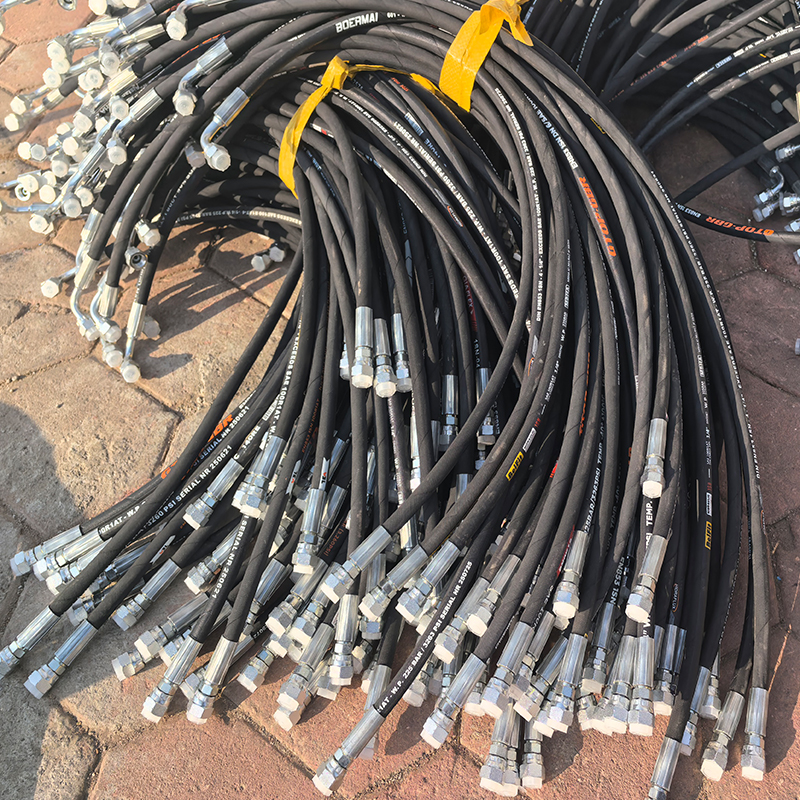 How to Create a Proactive Spiral Hydraulic Hose Replacement Plan That Prevents Downtime?
 Is Your Hydraulic System Overstressing? 5 Diagnostic Signs You Need to Upgrade to Spiral Hose
 Is Your Hydraulic System Pushing Limits? When to Specify Spiral Hose vs. Braided?
 Is Your Machinery Demanding More? Why Upgrade to a Spiral Hydraulic Hose?