
Cryogenic storage tanks play a crucial role in various industries, including aerospace, medical research, and chemical processing, where materials need to be stored at extremely low temperatures. One often-overlooked but essential component of these tanks is the rubber plug, which serves as a seal to prevent leaks and maintain the integrity of the stored contents. Selecting the right rubber plug for a cryogenic storage tank involves a thorough understanding of the unique challenges posed by low temperatures, the properties of different rubber materials, and the specific requirements of the application.
Cryogenic temperatures, typically defined as those below -150°C (-238°F), present several challenges for materials, especially rubbers. At these low temperatures, rubbers can become brittle, lose elasticity, and even crack, compromising their sealing capabilities. Therefore, the first step in selecting a rubber plug for a cryogenic storage tank is to recognize the specific conditions the material will face.
The extreme cold can affect not only the physical properties of the rubber but also its chemical stability. Some rubbers may undergo chemical changes at low temperatures, leading to degradation or the leaching of additives. Additionally, the rapid temperature changes that can occur during the filling and emptying of cryogenic tanks can cause thermal stress, further exacerbating the potential for material failure.
Properties to Consider in Rubber Materials
When evaluating rubber materials for cryogenic applications, several key properties must be taken into account:
Low-Temperature Flexibility: The rubber should retain its flexibility and elasticity at cryogenic temperatures to ensure a tight seal.
Thermal Stability: The material should be able to withstand the extreme temperature fluctuations without undergoing significant chemical or physical changes.
Compatibility with Stored Materials: The rubber must be chemically inert to the substances being stored to avoid contamination or reaction.
Abrasion Resistance: The plug may come into contact with rough surfaces or particles during installation or maintenance, so it should be able to resist wear.
Compression Set: The rubber should have a low compression set to maintain its shape and sealing ability over time, even under constant pressure.
Types of Rubbers Suitable for Cryogenic Applications
Several types of rubbers are known for their performance in cryogenic environments. These include:
Nitrile Rubber (NBR): While standard NBR may not be suitable for the lowest temperatures, specially formulated grades can offer improved low-temperature performance.
Fluoroelastomers (FKM): These rubbers, known for their chemical resistance and high-temperature stability, also exhibit good low-temperature properties, making them a versatile choice.
Ethylene Propylene Diene Monomer (EPDM): EPDM is known for its excellent weather and ozone resistance, but certain grades can also provide good flexibility at low temperatures.
Silicone Rubber (VMQ): Silicone maintains its flexibility over a wide temperature range, including cryogenic conditions, and is often used in applications where extreme temperature swings are expected.
Polychloroprene (CR or Neoprene): This rubber has good oil and chemical resistance and can perform adequately in moderate cryogenic conditions.
Material Selection Process
The selection process for a rubber plug should begin with a thorough assessment of the tank's operating conditions, including the expected temperature range, the nature of the stored materials, and any potential exposure to chemicals or abrasives. Once these factors are understood, the following steps can guide the material selection:
Identify the Temperature Range: Determine the lowest and highest temperatures the rubber plug will encounter during operation. This will help narrow down the list of potential rubber materials.
Evaluate Chemical Compatibility: Check the compatibility of the rubber candidates with the stored substances. This may involve consulting material compatibility charts or conducting tests to ensure no adverse reactions occur.
Assess Physical Properties: Review the physical properties of the rubber materials, focusing on low-temperature flexibility, compression set, and abrasion resistance. Manufacturer datasheets and industry standards can provide valuable information.
Consider Cost and Availability: While performance is paramount, the cost and availability of the rubber material should also be considered. Some specialty rubbers may be more expensive or harder to source.
Consult with Experts: If uncertainty persists, consult with material scientists, rubber manufacturers, or industry experts who have experience with cryogenic applications.
Testing and Validation
Before finalizing the selection, it is crucial to test the rubber material under conditions that simulate the actual use case. This may involve:
Low-Temperature Testing: Subjecting the rubber to the expected cryogenic temperatures and observing any changes in flexibility or appearance.
Compression Set Testing: Measuring the rubber's ability to recover its original shape after being compressed for a prolonged period.
Chemical Exposure Testing: Exposing the rubber to the stored materials and monitoring for any signs of degradation or contamination.
Installation and Maintenance Considerations
Proper installation and regular maintenance are essential to ensure the longevity and effectiveness of the rubber plug. This includes:
Following Installation Guidelines: Adhere to the manufacturer's instructions for installing the rubber plug to avoid damage or improper sealing.
Regular Inspections: Periodically inspect the plug for signs of wear, cracking, or leakage. Replace the plug if any issues are detected.
Cleaning Protocols: Establish cleaning procedures to remove any contaminants that may come into contact with the plug, as these can accelerate degradation.
Selecting the right rubber plug for a cryogenic storage tank is a complex process that requires a deep understanding of the application's unique challenges and the properties of various rubber materials. By carefully evaluating the operating conditions, assessing material compatibility, and conducting thorough testing, one can ensure that the chosen rubber plug will provide reliable sealing performance even in the harshest of cryogenic environments. With proper installation and maintenance, the rubber plug can play a vital role in maintaining the integrity and safety of the stored contents, contributing to the overall success of the cryogenic storage system.
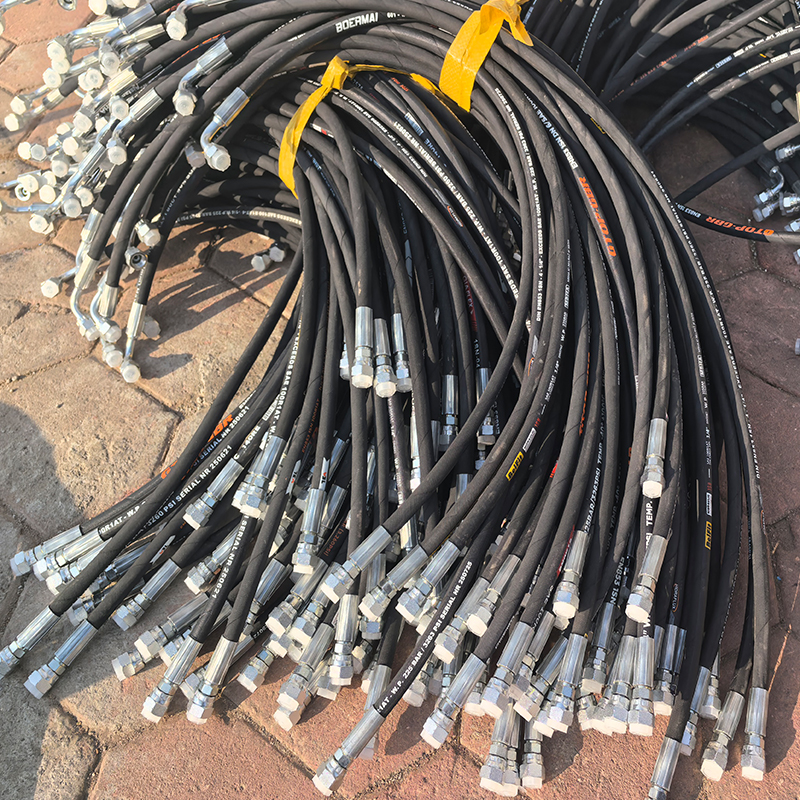 How to Create a Proactive Spiral Hydraulic Hose Replacement Plan That Prevents Downtime?
 Is Your Hydraulic System Overstressing? 5 Diagnostic Signs You Need to Upgrade to Spiral Hose
 Is Your Hydraulic System Pushing Limits? When to Specify Spiral Hose vs. Braided?
 Is Your Machinery Demanding More? Why Upgrade to a Spiral Hydraulic Hose?