
For many Americans who rely on their vehicles for daily commutes, road trips, or heavy-duty tasks, maintaining mechanical integrity is non-negotiable. One component that often goes unnoticed until it fails is the hub oil seal. This small but critical part prevents lubricants from leaking out of wheel hubs and keeps contaminants like dirt and water from damaging internal bearings. A faulty seal can lead to costly repairs, unsafe driving conditions, or even complete hub failure. Below, we explore how to identify a failing hub oil seal, understand its causes, and take preventive action.

Signs of Leakage Around the Wheel Hub
The most obvious indicator of a faulty hub oil seal is visible leakage. Drivers may notice greasy residue accumulating on the inner edge of the wheel rim, brake components, or surrounding suspension parts. Unlike engine oil leaks, which often pool near the engine bay, hub seal leaks create streaks or splatters that radiate outward as the wheel rotates.
This leakage isn’t just messy—it’s a red flag. Over time, lost lubrication can cause bearings to overheat, leading to grinding noises or uneven tire wear. If left unaddressed, the hub assembly may seize, requiring emergency repairs. Regularly inspecting the wheels during routine maintenance, such as tire rotations or oil changes, can help catch leaks early.
Unusual Noises During Driving
A failing hub oil seal often triggers auditory warnings. As lubricant escapes, metal-on-metal friction increases within the hub assembly, producing a grinding or humming noise that worsens with speed. This sound may resemble the rumble of a worn tire but tends to originate from a specific wheel.
Another common noise is clicking or popping, particularly when turning. This occurs when damaged bearings shift under stress, a direct consequence of inadequate lubrication. Drivers should note whether the noise changes during acceleration, deceleration, or cornering, as this helps pinpoint the affected hub.
Vibrations or Wobbling in the Steering Wheel
A compromised hub oil seal can destabilize the entire wheel assembly. As bearings degrade, they may allow slight play in the hub, translating to vibrations felt through the steering wheel or seat. These vibrations often intensify at higher speeds and can mimic the symptoms of unbalanced tires or misaligned wheels.
To distinguish between these issues, drivers should check for additional signs like leakage or noise. If vibrations persist after balancing tires or realigning the vehicle, the hub seal or bearings are likely at fault. Ignoring this warning can lead to catastrophic failure, especially in front-wheel-drive or all-wheel-drive vehicles where hubs play a pivotal role in power transmission.
Overheating Hubs or Brakes
Lubricant serves as a coolant for hub assemblies. When a seal fails, friction generates excess heat, which can transfer to nearby brake components. Drivers might notice a burning smell after prolonged driving or discover that brakes are unusually hot to the touch.
Overheated hubs can also warp brake rotors, causing pulsations during braking. While this symptom is often attributed to brake pads or calipers, it’s worth inspecting the hub seal if other warning signs are present. Using an infrared thermometer to check hub temperatures after driving can provide quantitative data to support diagnostics.
Corrosion or Physical Damage to the Seal
Not all hub oil seal issues stem from wear and tear. External factors like road debris, salt, or chemical exposure can corrode the seal’s surface, creating cracks or gaps. During routine maintenance, mechanics should inspect the seal for discoloration, pitting, or hardening—all signs of environmental damage.
Physical impacts, such as hitting a curb or pothole, can also dislodge or tear the seal. Even minor damage compromises its ability to retain grease, making proactive replacement essential. Drivers operating in harsh conditions, like off-road terrain or icy roads, should schedule more frequent inspections.
The Role of Maintenance in Prolonging Seal Life
Preventative care is the best defense against hub oil seal failure. Regularly servicing wheel bearings and replacing grease according to the manufacturer’s guidelines ensures the seal isn’t overstressed. Additionally, avoiding over-tightening axle nuts—a common DIY mistake—can prevent premature seal wear.
When replacing hub components, using high-quality parts and following torque specifications meticulously reduces the risk of leaks. For vehicles exposed to mud, water, or salt, applying a protective coating to the hub assembly can extend seal longevity.
When to Seek Professional Help
While some drivers attempt to replace hub oil seals themselves, the process demands precision. Misalignment or improper installation can lead to immediate failure, leaving the vehicle immobilized. If symptoms like leakage, noise, or vibrations persist after basic troubleshooting, consulting a certified mechanic is advisable.
Professionals use specialized tools to press in new seals and verify bearing play, ensuring a secure fit. They can also diagnose related issues, such as damaged axles or worn spindles, which might contribute to seal failure.
Conclusion
A faulty hub oil seal might seem insignificant, but its failure can disrupt daily life and compromise safety. By staying vigilant for leaks, noises, vibrations, and overheating, drivers can address problems before they escalate. Combining regular inspections with proactive maintenance—and seeking expert help when needed—ensures smooth, reliable performance for miles to come. Whether navigating city streets or rugged trails, a healthy hub assembly is the foundation of a worry-free drive.
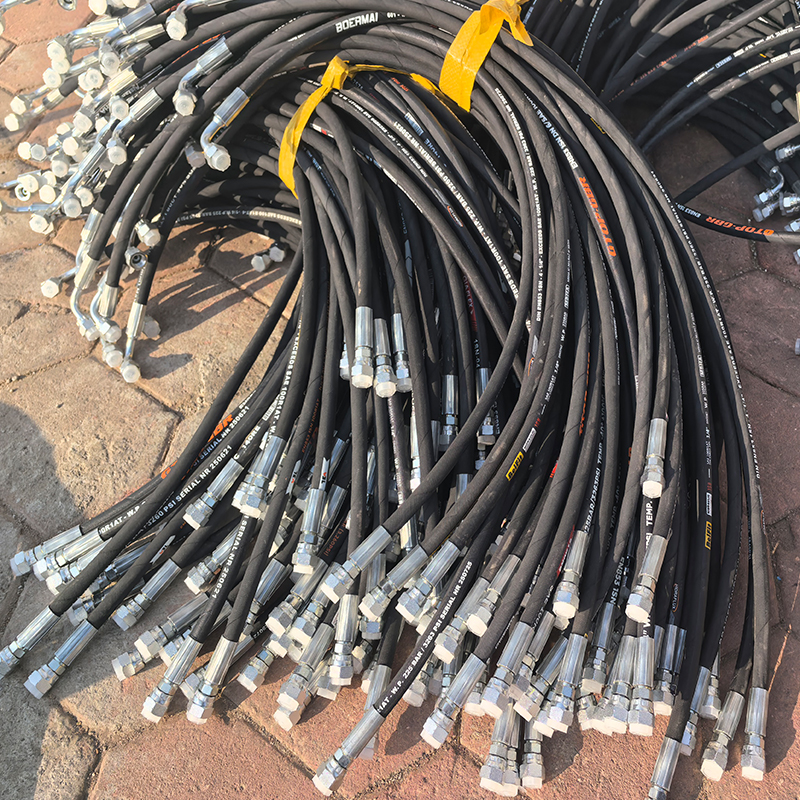 How to Create a Proactive Spiral Hydraulic Hose Replacement Plan That Prevents Downtime?
 Is Your Hydraulic System Overstressing? 5 Diagnostic Signs You Need to Upgrade to Spiral Hose
 Is Your Hydraulic System Pushing Limits? When to Specify Spiral Hose vs. Braided?
 Is Your Machinery Demanding More? Why Upgrade to a Spiral Hydraulic Hose?