
Maintaining a vehicle involves countless small but critical tasks, from changing oil to rotating tires. One often-overlooked component is the hub oil seal, a tiny yet vital part that prevents lubricants from leaking and keeps contaminants out of wheel hubs. While installing or servicing this seal, a common mistake is over-tightening it. This error, though seemingly minor, can trigger a cascade of problems affecting performance, safety, and repair costs. Let’s explore the consequences of over-tightening a hub oil seal and why precision matters.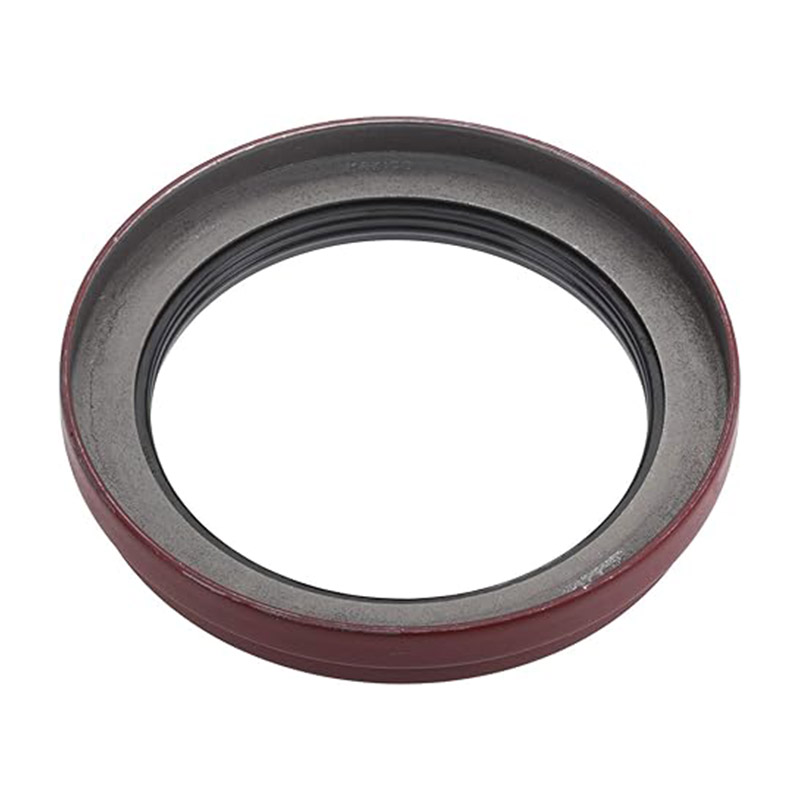
The Role of the Hub Oil Seal
Before diving into the risks, it’s essential to understand the hub oil seal’s purpose. Located where the wheel hub meets the axle, this seal acts as a barrier between the lubricated interior of the hub assembly and the external environment. It prevents grease or oil from escaping while blocking dirt, water, and debris from infiltrating sensitive components. A properly functioning seal ensures smooth rotation of the wheel bearings and extends the lifespan of the hub assembly.
Over-Tightening: A Silent Culprit
Over-tightening occurs when excessive force is applied during installation, often due to misuse of tools or a lack of awareness about torque specifications. Unlike bolts that require firm tightening, hub oil seals rely on precise pressure to create an effective seal without distorting their shape. When over-tightened, the seal’s rubber or metal components can warp, crack, or lose elasticity, compromising their ability to function.
Immediate Consequences: Leaks and Contamination
The first sign of trouble is often lubricant leakage. An over-tightened seal may develop microscopic tears or lose its ability to conform to the hub’s surface, allowing grease to seep out. This not only creates unsightly stains but also depletes the lubrication needed for wheel bearings to operate smoothly. Simultaneously, a damaged seal can no longer keep out dirt and moisture, leading to contamination. Grit and water entering the hub assembly accelerate wear on bearings and other moving parts, causing grinding noises or uneven tire wear.
Long-Term Damage to Wheel Bearings
Wheel bearings are engineered to withstand friction and heat, but only when adequately lubricated. Over-tightening the hub oil seal disrupts this balance by starving bearings of grease or exposing them to corrosive elements. Over time, this leads to overheating, pitting, or complete bearing failure. Since bearings are integral to wheel stability, their degradation can result in wobbling, vibrations, or even loss of control at high speeds—a serious safety hazard.
Heat Buildup and Component Warping
Friction generates heat, and a compromised seal exacerbates this issue. Without proper lubrication, metal-to-metal contact in the hub assembly increases, causing temperatures to spike. Excessive heat can warp the hub itself or the axle shaft, leading to misalignment. This misalignment places additional stress on suspension components, tires, and steering systems, creating a domino effect of wear and tear. Drivers may notice steering pull, uneven brake pad wear, or a burning smell—all red flags of overheating hubs.
The Financial Toll of Neglect
What starts as a simple installation mistake can quickly escalate into costly repairs. Replacing a hub oil seal is relatively inexpensive, but over-tightening often damages far more than the seal itself. A leaking hub may require new bearings, a resurfaced hub, or even a replacement axle if warping occurs. Labor costs add up, especially if multiple components are affected. For fleet operators or daily commuters, unexpected downtime and repair bills can disrupt schedules and budgets.
How to Avoid Over-Tightening
Prevention is straightforward with the right approach. Always consult the vehicle’s service manual for torque specifications, as each model has unique requirements. Use a calibrated torque wrench instead of guessing pressure, and avoid power tools that lack precision. If replacing the seal yourself, invest in quality parts and follow step-by-step guides or tutorials. When in doubt, seek help from a certified mechanic—a small upfront cost can save thousands in future repairs.
Signs You’ve Over-Tightened the Seal
Even with careful installation, mistakes happen. Watch for these warning signs:
Grease streaks near the wheel hub.
Unusual noises (grinding, humming, or clicking) when driving.
Vibrations in the steering wheel or seat.
Excessive heat emanating from the wheel area after a short drive.
Uneven tire wear or pulling to one side.
Addressing these symptoms early can prevent minor issues from snowballing into major failures.
Conclusion: Precision Saves Time and Money
The hub oil seal may be small, but its role in vehicle health is monumental. Over-tightening this component is a avoidable mistake with far-reaching consequences, from leaks and bearing failure to dangerous heat buildup. By understanding the seal’s function, respecting torque guidelines, and staying vigilant for warning signs, drivers can protect their vehicles—and their wallets—from unnecessary harm. Remember: when it comes to maintenance, a gentle touch and attention to detail often yield the best results.
Whether you’re a DIY enthusiast or rely on professional service, prioritizing precision ensures your wheels keep turning smoothly for miles to come.
 How to Create a Proactive Spiral Hydraulic Hose Replacement Plan That Prevents Downtime?
 Is Your Hydraulic System Overstressing? 5 Diagnostic Signs You Need to Upgrade to Spiral Hose
 Is Your Hydraulic System Pushing Limits? When to Specify Spiral Hose vs. Braided?
 Is Your Machinery Demanding More? Why Upgrade to a Spiral Hydraulic Hose?