
Electric vehicles (EVs) are transforming the automotive landscape, offering a cleaner, more efficient alternative to traditional combustion engines. Yet, beneath their sleek exteriors and advanced battery systems lie critical components that ensure reliability and longevity. Among these unsung heroes are hub oil seals, small but vital parts that play a pivotal role in protecting EV performance. This article explores their function, importance, and why they matter in the era of electrified transportation.
Preventing Contamination in High-Tech Components
Electric vehicles rely on precision-engineered systems, from electric motors to sophisticated gearboxes. These components demand a pristine operating environment, free from dust, moisture, and debris. Hub oil seals act as a first line of defense, creating a barrier between the wheel hub assembly and external contaminants. By sealing lubricants inside and keeping harmful particles out, they prevent premature wear and corrosion.
In EVs, where components are often more compact and integrated than in traditional vehicles, the stakes are higher. A single breach in a hub seal could lead to lubricant leakage, compromising the efficiency of electric motors or reducing the lifespan of wheel bearings. This protection is especially critical in regions with harsh weather or rough road conditions, where exposure to water, salt, or gravel is common.
Enhancing Energy Efficiency Through Friction Management
Friction is the enemy of efficiency in any vehicle, but it’s particularly impactful in EVs, where every watt of energy counts. Hub oil seals are designed to minimize resistance between moving parts, ensuring smooth rotation of wheel hubs and axles. By maintaining optimal lubrication and reducing drag, they help electric drivetrains operate at peak efficiency, translating to longer range per charge.
Modern seals incorporate advanced materials, such as fluororubber or silicone compounds, which resist heat and chemical degradation. These innovations allow seals to function reliably even under the high-speed demands of EVs, where traditional materials might fail. The result? A quieter, more efficient ride that aligns with consumer expectations for electric transportation.
Extending the Lifespan of Critical Components
EVs are often marketed as low-maintenance alternatives to gasoline-powered cars, but this reputation hinges on the durability of every component—including hub oil seals. By preventing lubricant loss and contamination, seals reduce the frequency of repairs and replacements for wheel bearings, axles, and electric motors. Over time, this translates to cost savings for owners and fewer resources wasted on manufacturing replacement parts.
For fleet operators managing hundreds or thousands of EVs, such reliability is non-negotiable. A single failed seal in a commercial vehicle could lead to unexpected downtime, straining logistics and increasing operational costs. By investing in high-quality seals during manufacturing, automakers can build trust with consumers and businesses alike.
Adapting to the Unique Challenges of EV Architecture
Electric vehicles differ from internal combustion engine (ICE) cars in key ways, and hub oil seals must evolve to meet these challenges. For instance, EVs often use regenerative braking systems, which generate heat during deceleration. This heat can transfer to nearby components, including wheel hubs, requiring seals that withstand higher temperatures without losing elasticity.
Additionally, the compact design of EV drivetrains leaves less physical space for sealing solutions. Manufacturers must innovate with thinner, more flexible materials that fit into tighter spaces while maintaining performance. Some designs even integrate sensors to monitor seal integrity in real time, alerting drivers to potential leaks before they cause damage.
Supporting Sustainability Goals
As the automotive industry prioritizes sustainability, hub oil seals contribute to eco-friendly goals in subtle but meaningful ways. By extending the lifespan of EV components, they reduce the need for resource-intensive manufacturing processes. Furthermore, modern seals are increasingly recyclable, aligning with broader efforts to minimize waste in the automotive supply chain.
Some companies are also exploring biodegradable materials for seals, though these are still in early stages of development. For now, the focus remains on balancing durability with environmental responsibility, ensuring that EVs remain a greener choice from cradle to grave.
The Silent Guardian of EV Performance
While hub oil seals rarely make headlines, their role in electric vehicles is indispensable. They safeguard against contamination, optimize efficiency, and ensure longevity—all while operating quietly in the background. As EV technology advances, these components will continue to evolve, meeting the demands of faster, lighter, and more sustainable vehicles.
For consumers, understanding the importance of hub oil seals offers peace of mind. It’s a reminder that even the smallest parts in an EV are engineered with precision, contributing to a driving experience that’s both reliable and revolutionary.
Looking Ahead: Innovations on the Horizon
The future of hub oil seals lies in smart technology and advanced materials. Researchers are experimenting with self-healing polymers that can repair minor damage, reducing the need for replacements. Others are developing “smart seals” equipped with IoT sensors to detect leaks or pressure changes, enabling proactive maintenance.
As EVs become the norm, these innovations will ensure that hub oil seals remain a cornerstone of automotive reliability. For now, drivers can appreciate the silent work being done beneath their feet—a testament to engineering ingenuity in the electric age.
In conclusion, hub oil seals are far more than mere rubber rings; they are critical enablers of EV performance. By protecting against contamination, reducing friction, and extending component life, they uphold the promise of electric transportation: efficiency, sustainability, and uncompromising reliability. As the industry races toward a greener future, these unsung components will continue to play a starring role.
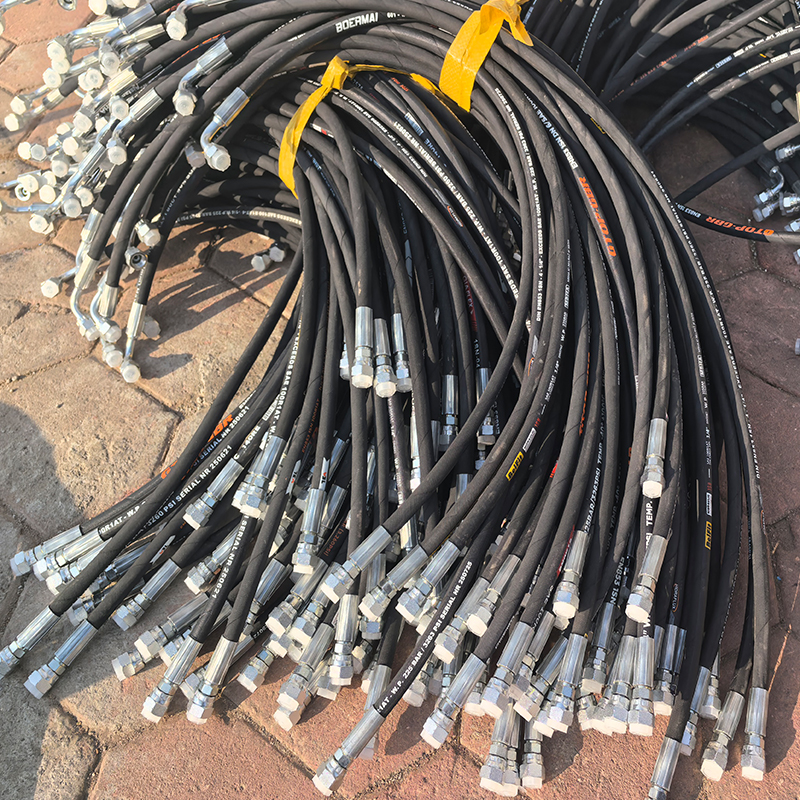 How to Create a Proactive Spiral Hydraulic Hose Replacement Plan That Prevents Downtime?
 Is Your Hydraulic System Overstressing? 5 Diagnostic Signs You Need to Upgrade to Spiral Hose
 Is Your Hydraulic System Pushing Limits? When to Specify Spiral Hose vs. Braided?
 Is Your Machinery Demanding More? Why Upgrade to a Spiral Hydraulic Hose?