
Rubber plugs are ubiquitous in various industries and applications, serving as essential components in sealing, protecting, and connecting different parts. From automotive engines to household appliances, these small yet crucial items play a vital role in ensuring the smooth operation and longevity of machinery and equipment. However, like any other material, rubber plugs are susceptible to wear and tear over time due to exposure to environmental factors, mechanical stress, and chemical interactions. Identifying the signs of wear and tear in rubber plugs is crucial for maintaining the integrity and performance of the systems they are a part of. This article aims to provide a comprehensive guide on how to recognize the indicators of wear and tear in rubber plugs, understanding the causes, and suggesting preventive measures.
Understanding the Role of Rubber Plugs
Before delving into the identification process, it's essential to understand the function of rubber plugs. These plugs are typically used to seal openings, preventing the ingress of moisture, dust, and other contaminants. They also act as vibration dampers and insulators, protecting sensitive components from external damage. In some applications, rubber plugs are designed to withstand high temperatures, pressures, and chemical exposures, making them indispensable in diverse industrial settings.
Common Types of Rubber Plugs
Rubber plugs come in various shapes, sizes, and materials, each tailored to specific applications. Some common types include:
Solid Rubber Plugs: These are used for general sealing purposes and are often found in mechanical systems, pipelines, and electrical enclosures.
Hollow Rubber Plugs: Designed to accommodate wires or tubes while maintaining a seal, they are prevalent in automotive and aerospace industries.
Threaded Rubber Plugs: Equipped with threads for secure fitting, they are used in plumbing and fluid handling systems.
Custom Rubber Plugs: These are manufactured to precise specifications for unique applications where standard plugs are not suitable.
Signs of Wear and Tear
Identifying wear and tear in rubber plugs involves a thorough visual inspection and, in some cases, tactile examination. Here are the key indicators to look for:
Cracking and Splitting:
One of the most apparent signs of wear is the presence of cracks or splits on the surface of the rubber plug. These can occur due to prolonged exposure to UV light, extreme temperatures, or chemical substances.
Cracks can compromise the seal, allowing moisture and contaminants to penetrate, which can lead to further damage.
Discoloration:
Rubber plugs may change color over time due to chemical reactions or heat exposure. Discoloration can range from yellowing to darkening, indicating a breakdown of the rubber's molecular structure.
While discoloration alone may not always signify immediate failure, it is a sign that the plug is aging and should be monitored closely.
Deformation and Swelling:
Rubber plugs can deform or swell when exposed to certain chemicals or excessive heat. This change in shape can affect the plug's ability to seal properly.
Swelling can also cause the plug to become stuck in its housing, making removal difficult and potentially damaging the surrounding components.
Hardening and Brittleness:
Over time, rubber can harden and become brittle, losing its elasticity and flexibility. This can result in the plug cracking or breaking under minimal stress.
Brittle rubber is more prone to failure, especially in applications where the plug needs to withstand vibration or mechanical forces.
Wear Marks and Abrasions:
Rubbing against moving parts or exposure to abrasive materials can cause wear marks and abrasions on the surface of the rubber plug.
These marks can weaken the plug's structure and reduce its effectiveness as a seal.
Causes of Wear and Tear
Understanding the causes of wear and tear in rubber plugs can help in implementing preventive measures. Some common causes include:
Environmental Factors: Exposure to UV light, extreme temperatures, and humidity can accelerate the aging process of rubber.
Chemical Exposure: Certain chemicals can react with rubber, causing it to degrade, swell, or harden.
Mechanical Stress: Constant vibration, pressure, or friction can lead to physical damage and wear.
Improper Installation: Incorrect fitting or over-tightening can cause stress on the rubber plug, leading to premature failure.
Age: Like all materials, rubber has a limited lifespan and will eventually degrade over time, even under ideal conditions.
Preventive Measures
To extend the life of rubber plugs and prevent premature wear and tear, consider the following preventive measures:
Regular Inspections:
Schedule regular inspections of rubber plugs to identify and address signs of wear and tear early.
Use a magnifying glass or flashlight to examine hard-to-reach areas for cracks, discoloration, or other damage.
Proper Storage:
Store rubber plugs in a cool, dry place away from direct sunlight and sources of heat.
Avoid exposing them to chemicals that could cause degradation.
Correct Installation:
Ensure that rubber plugs are installed correctly, following the manufacturer's guidelines.
Avoid over-tightening threaded plugs, as this can cause stress and lead to cracking.
Lubrication:
In applications where rubber plugs come into contact with moving parts, use a suitable lubricant to reduce friction and wear.
Replacement:
Replace worn or damaged rubber plugs promptly to prevent further damage to the system.
Keep a supply of spare plugs on hand for quick replacement when needed.
Material Selection:
When specifying rubber plugs for a new application, choose a material that is compatible with the operating environment and expected conditions.
Consider factors such as temperature range, chemical exposure, and mechanical stress when selecting the appropriate rubber compound.
Rubber plugs may be small, but their role in maintaining the integrity and performance of various systems is significant. Identifying signs of wear and tear in these components is crucial for preventing leaks, contamination, and potential system failures. By understanding the common indicators of wear, the causes, and implementing preventive measures, you can ensure that rubber plugs continue to function effectively and extend the lifespan of the equipment they protect. Regular inspections, proper storage, correct installation, and timely replacement are key to maintaining the reliability and performance of rubber plugs in any application.
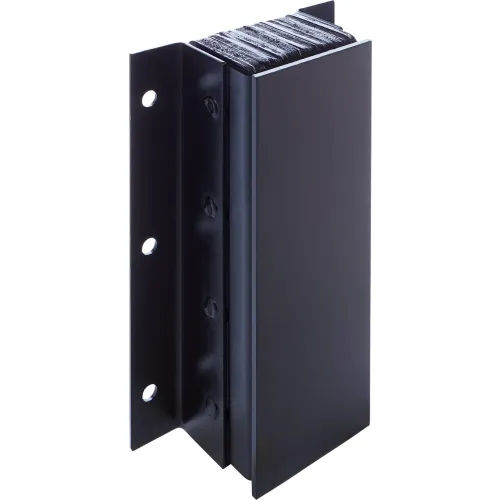 Steel-Faced Laminated Rubber Bumper: 5 Field Problems Buyers Keep Finding After Installation
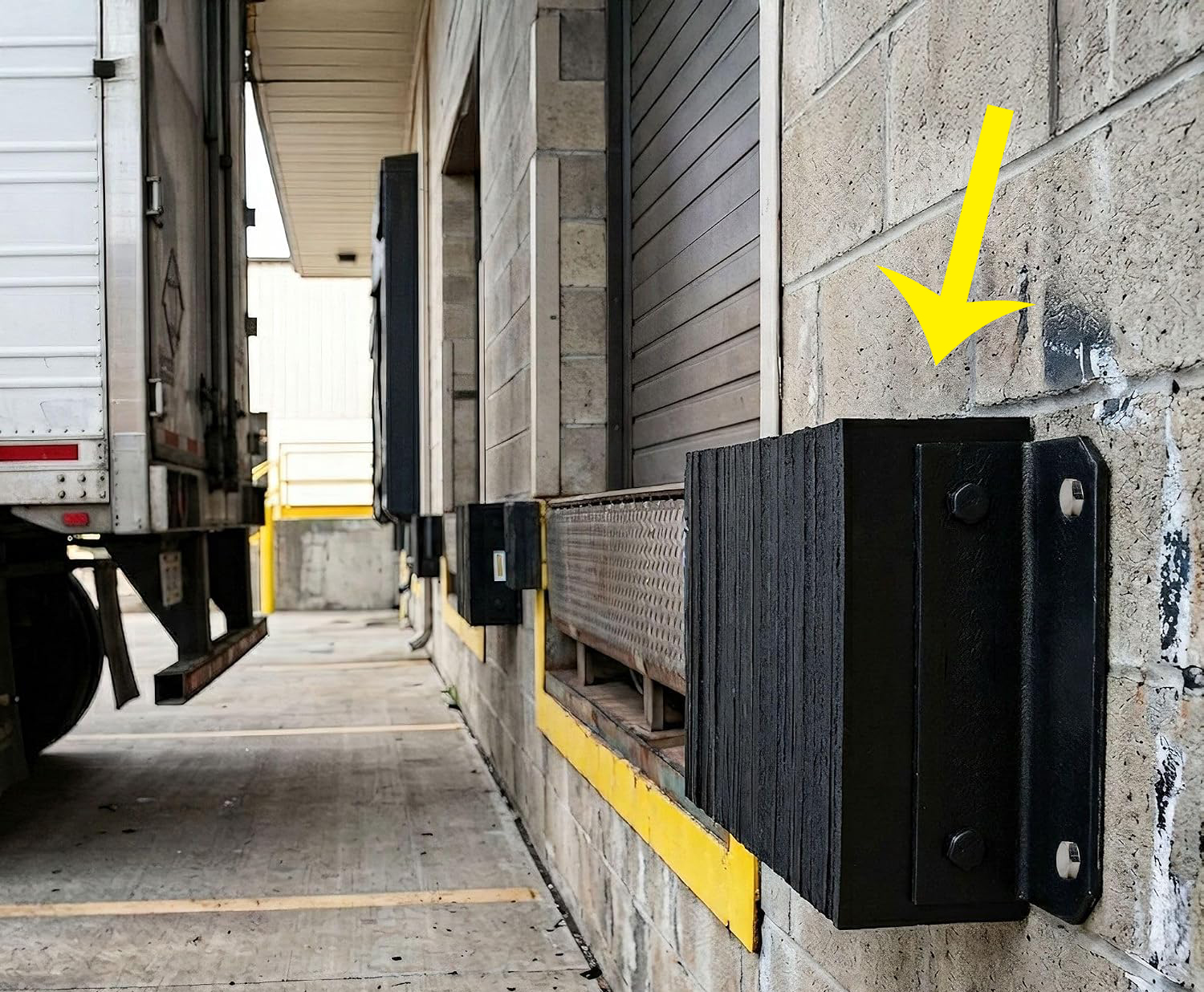 Rubber Laminated Loading Dock Bumper with Steel Angle: 5 Field Failure Signs That Point Back to the RFQ
 Bridge Bearing Pad Field Failure: 5 Visual Signs Before It Retires (And What Caused It)
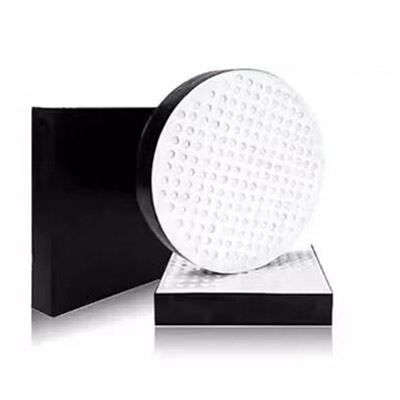 Bridge Bearing Pad RFQ Checklist: 9 Lines That Stop Suppliers From Subbing the Rubber