
In the realm of industrial manufacturing, rubber plugs serve as unsung heroes, fulfilling critical roles in sealing, protecting, and insulating various components across diverse sectors. From automotive engines to aerospace applications, and from plumbing systems to electrical enclosures, rubber plugs are indispensable due to their versatility, durability, and ability to withstand extreme environments. This article delves into the technical aspects of rubber plug manufacturing processes, shedding light on the intricate steps involved in transforming raw materials into finished products that meet stringent quality standards.
Raw Material Selection: The Foundation of Quality
The journey of a rubber plug begins with the careful selection of raw materials. Rubber compounds, typically derived from natural rubber or synthetic elastomers, form the backbone of these plugs. Natural rubber, sourced from rubber trees, offers excellent elasticity and resilience. On the other hand, synthetic elastomers like styrene-butadiene rubber (SBR), nitrile rubber (NBR), and ethylene-propylene-diene monomer (EPDM) provide tailored properties for specific applications.
Manufacturers consider several factors when choosing raw materials, including temperature resistance, chemical compatibility, abrasion resistance, and tensile strength. For instance, NBR is favored in environments where oil and fuel resistance are essential, while EPDM is preferred for its ozone and weather resistance, making it ideal for outdoor applications.
Compound Preparation: Blending for Optimal Performance
Once the base elastomer is selected, it undergoes a compounding process where various additives are incorporated to enhance its properties. These additives may include fillers like carbon black or silica to improve strength and durability, plasticizers for flexibility, antioxidants to prevent degradation, and curing agents to facilitate the vulcanization process.
The compounding process is highly precise, involving thorough mixing to ensure uniform dispersion of additives within the rubber matrix. This step is crucial as it directly influences the final properties of the rubber plug, such as its hardness, compression set, and tear resistance.
Mold Design and Fabrication: Precision Engineering
With the rubber compound ready, the focus shifts to mold design and fabrication. Molds are the negative impressions of the desired rubber plug shape and are critical in determining the dimensional accuracy and surface finish of the final product. Mold design takes into account factors such as part complexity, draft angles for easy ejection, and gating systems for efficient material flow during molding.
Mold fabrication typically involves computer-aided design (CAD) for precise modeling, followed by computer-numerical control (CNC) machining to create the mold cavity. High-quality materials like steel or aluminum are used to ensure durability and dimensional stability over multiple production cycles.
Rubber Molding Techniques: From Liquid to Solid
The rubber molding process can be broadly categorized into several techniques, each suited to different types of rubber compounds and product requirements. The most common methods include compression molding, injection molding, and transfer molding.
Compression Molding: In this technique, the pre-heated rubber compound is placed into an open mold cavity. The mold is then closed, and pressure is applied while the rubber is heated to vulcanize. This method is simple and cost-effective, making it suitable for larger parts and lower production volumes.
Injection Molding: Here, the rubber compound is heated until it becomes a viscous liquid, which is then injected under high pressure into a closed mold. The mold is rapidly cooled to solidify the rubber, and the part is ejected once it has fully cured. Injection molding is ideal for high-volume production of complex and detailed parts.
Transfer Molding: This process combines elements of both compression and injection molding. The rubber compound is pre-heated and placed in a transfer pot, from which it is forced into the mold cavity under pressure. Transfer molding is often used for parts that require intricate details and consistent wall thickness.
Vulcanization: The Transformative Process
Vulcanization is a chemical process that transforms raw rubber into a cross-linked, thermoset material, significantly enhancing its mechanical properties. During vulcanization, the rubber compound is subjected to heat and pressure in the presence of a curing agent, typically sulfur or peroxide. This process creates strong covalent bonds between rubber molecules, resulting in improved tensile strength, elasticity, and resistance to heat and chemicals.
The vulcanization cycle is carefully controlled, with parameters such as temperature, pressure, and cure time optimized for each specific rubber compound and part design. Proper vulcanization ensures that the rubber plug maintains its shape and performance characteristics over time, even under stressful conditions.
Post-Processing: Finishing Touches
After vulcanization, the rubber plugs undergo a series of post-processing steps to achieve the desired finish and functionality. These may include trimming excess flash (excess rubber that squeezed out of the mold during molding), deburring to remove sharp edges, and surface treatment for enhanced appearance or added protection.
Quality control inspections are integral to the post-processing phase. Dimensions, surface finish, and mechanical properties are rigorously tested to ensure compliance with specifications. Advanced techniques such as optical measurement systems and tensile testing machines play a vital role in verifying the quality and consistency of the rubber plugs.
Sustainability and Innovation in Rubber Plug Manufacturing
As industries increasingly prioritize sustainability, rubber plug manufacturers are exploring eco-friendly materials and production methods. Recycled rubber and biobased elastomers are being developed to reduce environmental impact, while energy-efficient molding processes and waste reduction strategies are being implemented to minimize carbon footprints.
Innovation in mold design and manufacturing technologies is also driving advancements in rubber plug production. Additive manufacturing, or 3D printing, is being explored for rapid prototyping and the production of complex molds, enabling faster time-to-market and greater design flexibility.
Rubber plug manufacturing is a multifaceted process that combines material science, precision engineering, and advanced production techniques. From the careful selection of raw materials to the intricate steps of mold design, rubber molding, vulcanization, and post-processing, each stage plays a critical role in producing high-quality rubber plugs that meet the diverse needs of modern industries.
As technology continues to evolve, the rubber plug manufacturing industry is poised to adopt innovative solutions that enhance productivity, improve product performance, and contribute to a more sustainable future. By understanding and refining these technical insights, manufacturers can ensure that rubber plugs continue to serve as reliable and essential components in a wide range of applications.
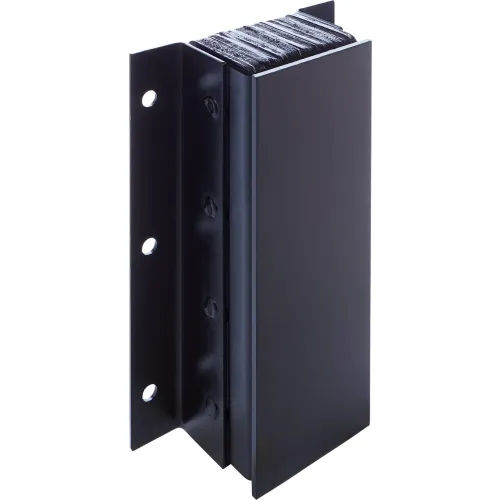 Steel-Faced Laminated Rubber Bumper: 5 Field Problems Buyers Keep Finding After Installation
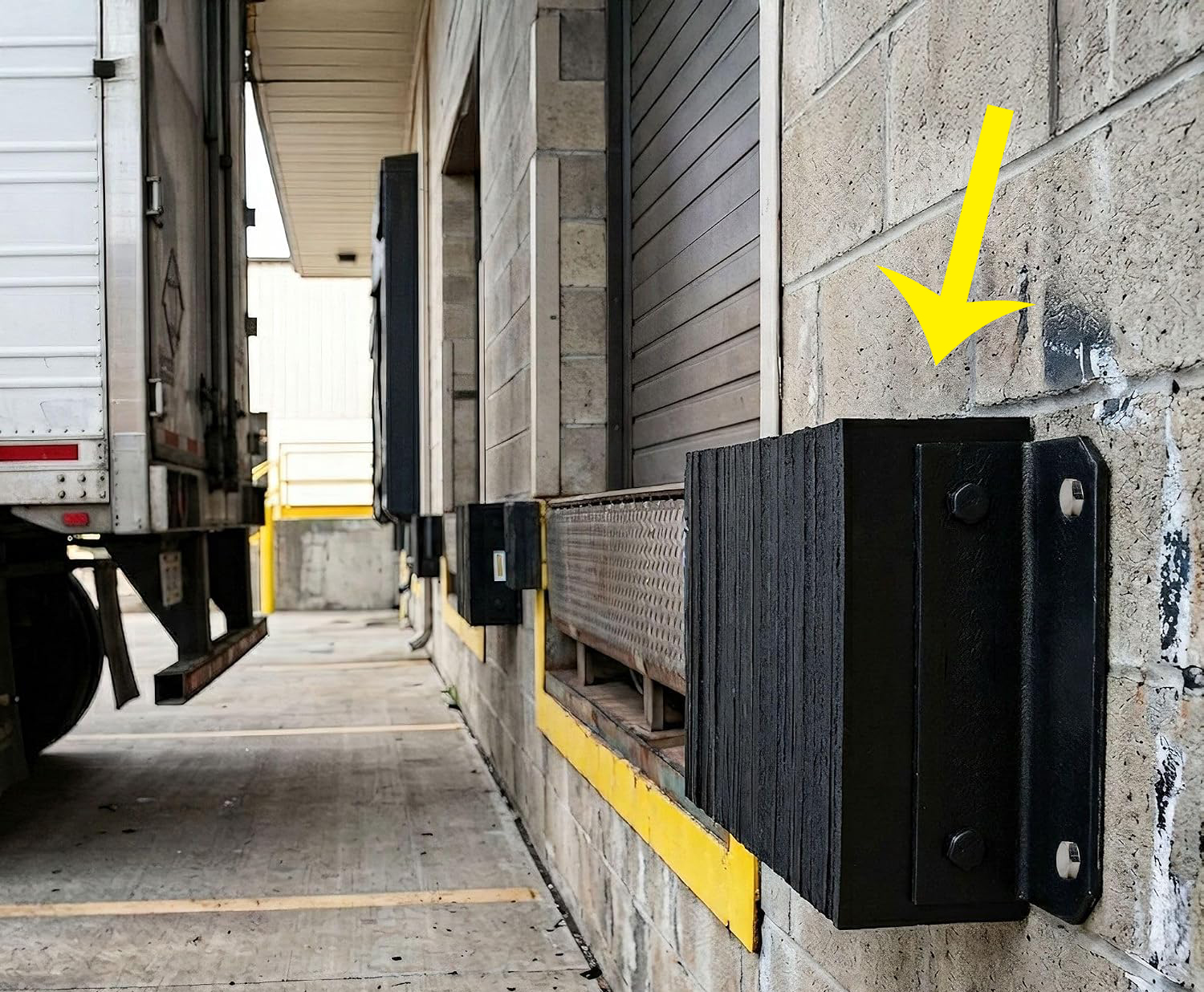 Rubber Laminated Loading Dock Bumper with Steel Angle: 5 Field Failure Signs That Point Back to the RFQ
 Bridge Bearing Pad Field Failure: 5 Visual Signs Before It Retires (And What Caused It)
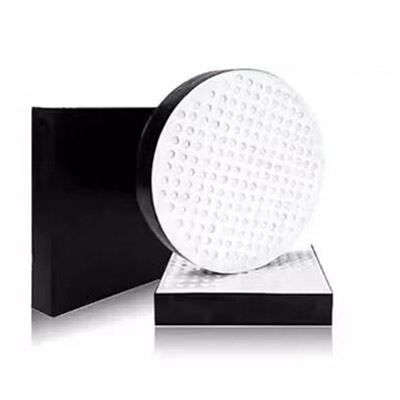 Bridge Bearing Pad RFQ Checklist: 9 Lines That Stop Suppliers From Subbing the Rubber