
The rubber industry, despite its long history dating back to the 19th century, remains a dynamic and innovative sector at the forefront of technological advancements. Among the myriad rubber products, rubber plugs play a crucial role in various applications, from sealing to vibration damping. Recent years have witnessed significant innovations in rubber plug technology, driving improvements in performance, efficiency, and sustainability. This article delves into the latest innovations in rubber plug technology, exploring the advancements in materials, design, manufacturing processes, and environmental considerations.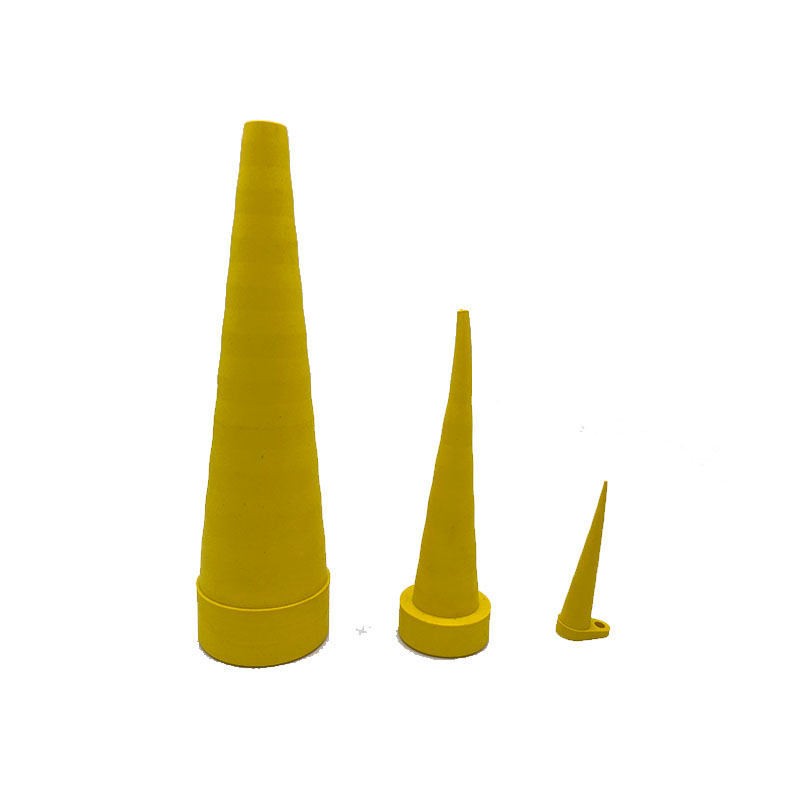
Advancements in Rubber Materials
One of the most notable innovations in rubber plug technology lies in the development of advanced rubber materials. Traditional rubber materials, while reliable, often struggle to meet the increasing demands for performance, durability, and environmental compatibility. Modern research has led to the creation of new rubber compounds that offer enhanced properties.
High-Performance Rubbers:
New generations of synthetic rubbers have been developed, such as silicone rubber and fluorosilicone rubber, which exhibit superior temperature resistance, chemical inertness, and low compression set. These materials are particularly well-suited for rubber plugs that operate in extreme environments, where conventional rubbers might fail. For instance, silicone rubber plugs can withstand high temperatures and aggressive chemicals, making them ideal for use in automotive engines, industrial machinery, and aerospace applications.
Nanocomposites:
The integration of nanomaterials into rubber formulations is another groundbreaking innovation. Nanoparticles such as graphene, carbon nanotubes, and silica nanoparticles can significantly improve the mechanical, thermal, and electrical properties of rubber. By incorporating these nanomaterials into rubber plugs, manufacturers can achieve higher strength, better wear resistance, and enhanced thermal conductivity. This is particularly beneficial for applications where rubber plugs are subjected to high stress or frequent temperature fluctuations.
Biobased and Sustainable Materials:
In response to the global drive towards sustainability, the rubber industry is increasingly exploring the use of biobased and renewable materials. For example, natural rubber derived from sustainably managed rubber tree plantations can be used in the production of rubber plugs. Additionally, biobased polymers and biodegradable rubbers are being developed as alternatives to traditional petroleum-based rubbers. These materials offer the dual advantages of reduced environmental impact and comparable performance, making them ideal for a wide range of applications, including food and medical industries.
Innovations in Design and Engineering
The design and engineering of rubber plugs have also undergone significant transformations, aiming to optimize their performance and reliability.
Finite Element Analysis (FEA):
The use of advanced computer-aided design (CAD) and FEA tools has revolutionized the design process of rubber plugs. Engineers can now simulate the behavior of rubber plugs under various loading conditions, allowing for the precise optimization of their shape, dimensions, and material distribution. This results in rubber plugs that are lighter, stronger, and more efficient. For example, FEA can be used to design rubber plugs with complex internal structures that improve their sealing capabilities without increasing their size or weight.
Customized Solutions:
The demand for customized rubber plug solutions has surged in recent years. Manufacturers are now able to offer rubber plugs tailored to specific customer requirements, thanks to advancements in rapid prototyping and additive manufacturing technologies. This enables the production of rubber plugs with intricate geometries and unique material compositions, addressing the diverse needs of various industries.
Enhanced Functionality:
Modern rubber plugs are not just simple sealing elements; they are increasingly being designed with enhanced functionalities. For instance, rubber plugs equipped with sensors can monitor pressure, temperature, and other parameters in real-time, providing valuable data for predictive maintenance and system optimization. Additionally, smart rubber plugs that can adapt to changing conditions or respond to external stimuli are being developed, offering new possibilities in adaptive sealing and vibration control.
Advancements in Manufacturing Processes
The manufacturing processes of rubber plugs have also seen significant improvements, leading to higher production efficiency, product quality, and cost-effectiveness.
Automation and Robotics:
The integration of automation and robotics into rubber plug production lines has significantly enhanced production efficiency and consistency. Automated molding machines, robotic arms, and advanced control systems enable the precise formation and assembly of rubber plugs, reducing the risk of human error and ensuring consistent product quality. Furthermore, automation allows for the flexible production of both large batches and customized rubber plugs, meeting the diverse needs of the market.
Precision Molding Techniques:
Advancements in precision molding techniques have enabled the production of rubber plugs with tighter tolerances and higher surface finishes. Techniques such as liquid silicone rubber (LSR) injection molding and compression molding allow for the creation of complex rubber plug geometries with excellent detail reproduction. This is particularly beneficial for applications where rubber plugs must fit into tight spaces or mate with precision components.
In-Process Monitoring and Quality Control:
The implementation of in-process monitoring and advanced quality control systems has further improved the reliability of rubber plugs. Real-time monitoring of molding parameters, such as temperature, pressure, and curing time, ensures that each rubber plug is produced to the highest standards. Additionally, non-destructive testing methods, such as ultrasound and X-ray inspection, can be used to detect defects and inconsistencies in rubber plugs without damaging them, enhancing product quality and safety.
Environmental Considerations and Sustainability
In the face of growing environmental concerns, the rubber industry is increasingly focusing on the sustainability of rubber plug technology.
Recyclable and Reusable Designs:
The development of recyclable and reusable rubber plug designs is a key area of innovation. Manufacturers are now designing rubber plugs that can be easily disassembled, cleaned, and reassembled for multiple uses. Additionally, the use of recyclable materials and the implementation of closed-loop recycling processes are being explored to minimize waste and reduce the environmental impact of rubber plug production.
Energy Efficiency:
Advancements in manufacturing processes have also led to improvements in energy efficiency. For example, the use of energy-efficient molding machines and optimized curing cycles can significantly reduce the energy consumption associated with rubber plug production. Furthermore, the development of low-temperature curing rubbers can further decrease energy use and reduce the carbon footprint of rubber plugs.
Environmental Compliance:
As regulations on the use of hazardous substances and waste management become stricter, manufacturers are increasingly focusing on the environmental compliance of rubber plugs. This includes the elimination of harmful additives, the use of eco-friendly coatings and finishes, and the implementation of waste reduction and management strategies throughout the production process.
The rubber plug technology landscape is undergoing rapid transformation, driven by innovations in materials, design, manufacturing processes, and environmental considerations. These advancements are not only enhancing the performance and reliability of rubber plugs but also promoting sustainability and reducing their environmental impact. As the demand for rubber plugs continues to grow across various industries, the ongoing innovations will undoubtedly lead to the development of even more sophisticated and efficient rubber plug solutions.
The integration of advanced rubber materials, such as high-performance rubbers, nanocomposites, and biobased materials, is enabling the creation of rubber plugs that can withstand extreme conditions and meet the diverse needs of various applications. Meanwhile, the use of advanced design and engineering tools, such as FEA and rapid prototyping, is facilitating the development of customized and functional rubber plugs tailored to specific customer requirements.
In the manufacturing domain, the implementation of automation, precision molding techniques, and in-process monitoring systems is enhancing production efficiency, product quality, and cost-effectiveness. Furthermore, the focus on environmental compliance, energy efficiency, and sustainability is driving the development of eco-friendly rubber plug solutions that minimize waste and reduce the environmental impact of production.
In conclusion, the latest innovations in rubber plug technology are paving the way for a more efficient, sustainable, and versatile future. As the industry continues to evolve, we can expect to see even more groundbreaking advancements that will redefine the role of rubber plugs in various applications.
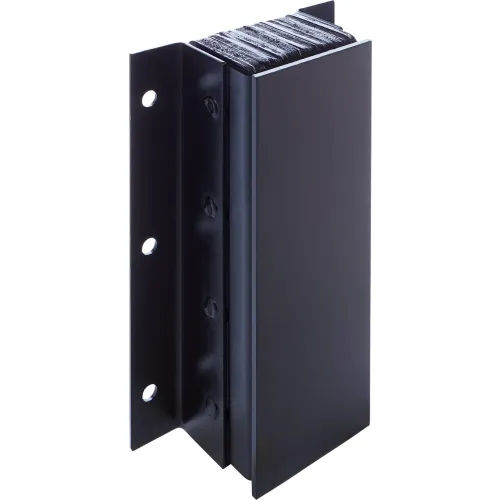 Steel-Faced Laminated Rubber Bumper: 5 Field Problems Buyers Keep Finding After Installation
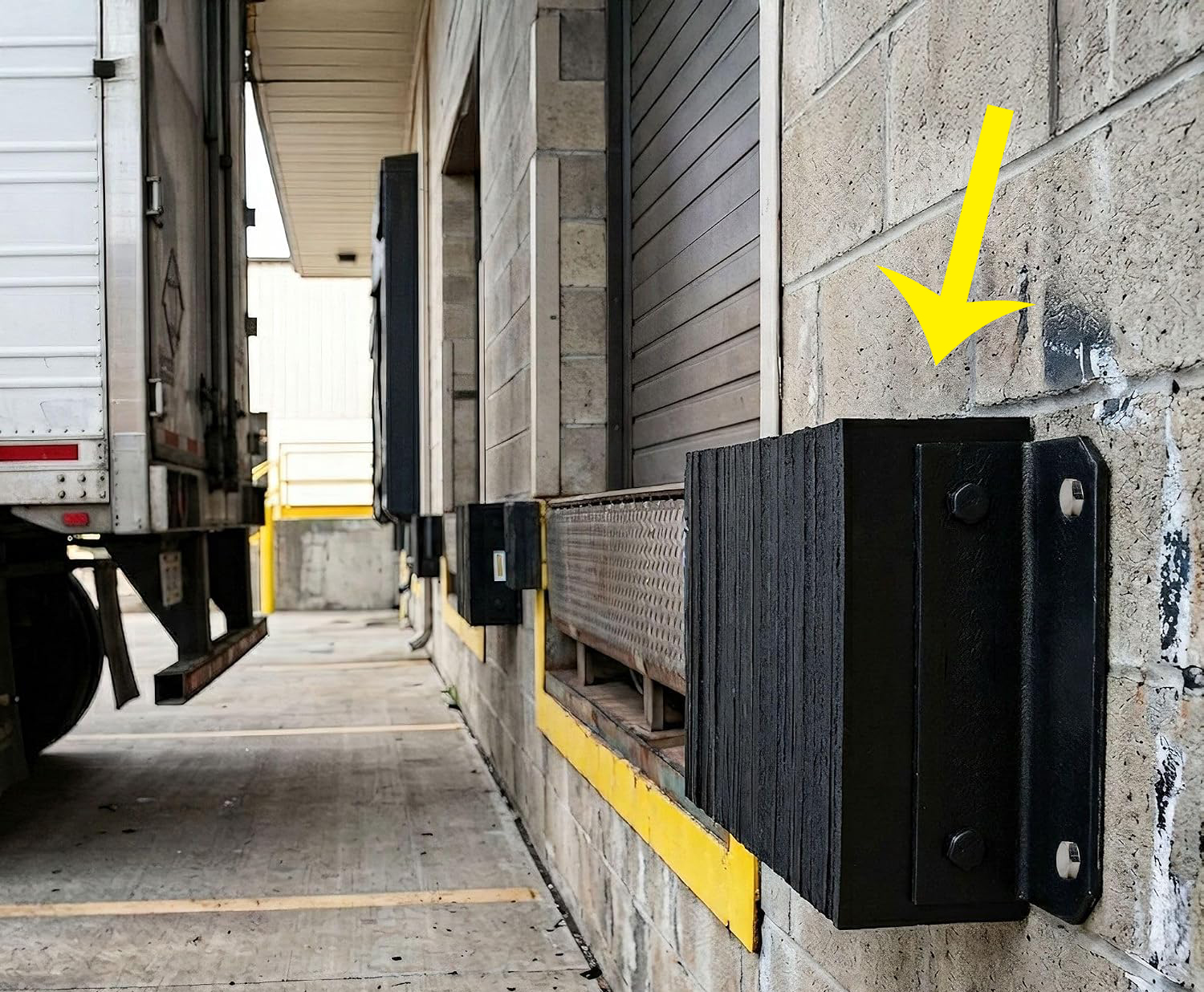 Rubber Laminated Loading Dock Bumper with Steel Angle: 5 Field Failure Signs That Point Back to the RFQ
 Bridge Bearing Pad Field Failure: 5 Visual Signs Before It Retires (And What Caused It)
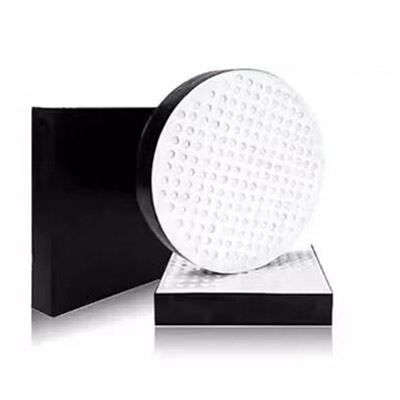 Bridge Bearing Pad RFQ Checklist: 9 Lines That Stop Suppliers From Subbing the Rubber