
Rubber plugs are ubiquitous in various industries and applications, serving as versatile components that seal openings, prevent leaks, and protect equipment from environmental contaminants. Whether they are used in automotive parts, plumbing systems, laboratory equipment, or marine applications, rubber plugs play a critical role in maintaining functionality and efficiency. However, like any other mechanical component, rubber plugs can encounter issues that may compromise their performance. This article aims to provide a comprehensive guide on how to troubleshoot common rubber plug issues, ensuring that you can address problems promptly and effectively.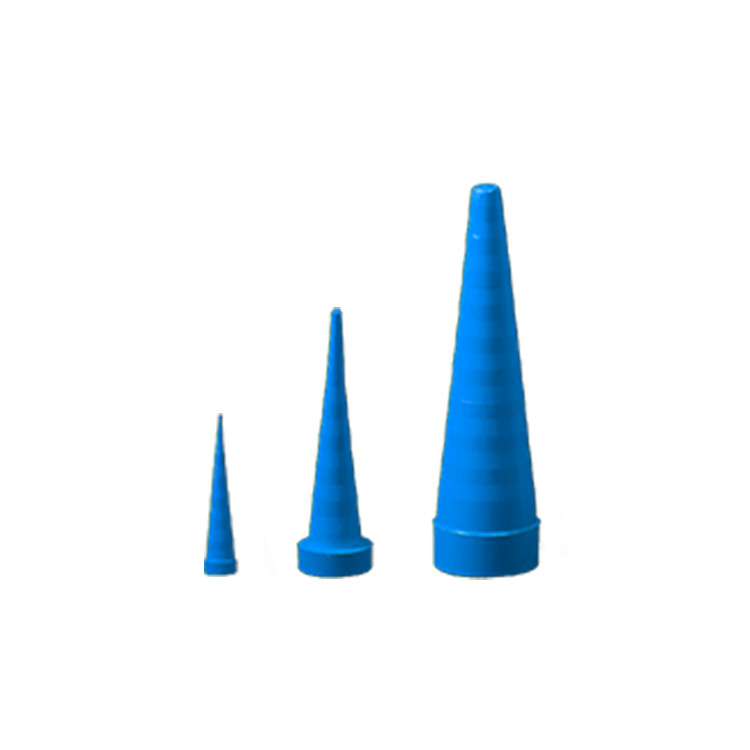
Understanding the Basics of Rubber Plugs
Before diving into troubleshooting, it's essential to understand the fundamentals of rubber plugs. These plugs are typically made from elastomeric materials such as natural rubber, neoprene, silicone, or nitrile, each with unique properties suited to different environments and chemicals. The choice of material depends on factors like temperature resistance, chemical compatibility, and durability.
Rubber plugs come in various shapes and sizes, including round, square, or custom-molded forms, tailored to fit specific openings or components. They may feature ribs, grooves, or other design elements to enhance grip or sealing capabilities. Understanding the type of rubber plug you're working with is crucial for diagnosing and resolving issues.
Common Issues with Rubber Plugs
Leakage
One of the most prevalent issues with rubber plugs is leakage. This can occur due to several reasons, including improper installation, wear and tear, or incompatibility with the medium being sealed. Leakage not only compromises the integrity of the system but can also lead to costly repairs and downtime.
Troubleshooting Steps:
Inspect the Plug: Begin by examining the rubber plug for signs of wear, cracks, or deformation. Replace the plug if it appears damaged.
Check the Seating Surface: Ensure that the seating surface is clean, dry, and free of debris. Any contamination can prevent the plug from forming a tight seal.
Verify Installation: Confirm that the plug is installed correctly, following the manufacturer's guidelines. Over-tightening or under-tightening can cause leakage.
Material Compatibility: Verify that the rubber material is compatible with the fluid or gas it is sealing. Some chemicals can degrade rubber, leading to leaks.
Difficulty in Insertion or Removal
Another common issue is difficulty in inserting or removing the rubber plug. This can be due to a tight fit, swelling of the rubber, or incorrect sizing.
Troubleshooting Steps:
Lubrication: Apply a suitable lubricant to the plug or the opening to facilitate easier insertion and removal. Be cautious when selecting a lubricant, as some can react with the rubber material.
Check Size and Fit: Verify that the plug is the correct size for the opening. A plug that is too large or too small can cause insertion or removal difficulties.
Temperature Considerations: If the rubber plug has been exposed to extreme temperatures, it may have swelled or contracted. Allow the plug to reach room temperature before attempting to insert or remove it.
Deterioration or Aging
Rubber plugs, like all elastomeric materials, are susceptible to deterioration over time due to exposure to environmental factors such as UV radiation, ozone, and extreme temperatures.
Troubleshooting Steps:
Regular Inspections: Perform regular inspections of the rubber plugs to identify signs of aging, such as cracking, hardening, or discoloration.
Replacement Schedule: Establish a replacement schedule based on the expected lifespan of the rubber material and the conditions it is exposed to.
Protective Measures: Where possible, shield the rubber plugs from harsh environmental conditions to extend their lifespan.
Inadequate Sealing
Inadequate sealing can occur if the rubber plug does not conform to the shape of the opening or if there is insufficient pressure to maintain the seal.
Troubleshooting Steps:
Adjust Pressure: If the sealing is dependent on external pressure, such as a clamp or screw, ensure that it is applied correctly and uniformly.
Custom Fit: For irregularly shaped openings, consider using a custom-molded rubber plug to ensure a perfect fit.
Gasket or O-Ring: In some cases, adding a gasket or O-ring between the plug and the seating surface can improve sealing performance.
Preventive Maintenance for Rubber Plugs
To minimize the occurrence of issues with rubber plugs, implement a preventive maintenance program that includes the following practices:
Regular Cleaning: Keep the rubber plugs and seating surfaces clean to prevent debris from interfering with the seal.
Inspection Routine: Establish a routine for inspecting rubber plugs, especially in high-stress or critical applications.
Temperature and Chemical Control: Monitor and control the exposure of rubber plugs to extreme temperatures and harsh chemicals that can accelerate deterioration.
Training: Ensure that personnel who handle or install rubber plugs are trained in proper procedures and best practices.
Rubber plugs are indispensable components in many industries, providing reliable sealing solutions. However, they are not immune to issues such as leakage, difficulty in insertion or removal, deterioration, and inadequate sealing. By understanding the basics of rubber plugs, following systematic troubleshooting steps, and implementing preventive maintenance practices, you can ensure the longevity and effectiveness of these essential components.
Remember, the key to successful troubleshooting lies in thorough inspection, accurate diagnosis, and timely intervention. Whether you're dealing with a simple leak or a more complex sealing issue, addressing the problem promptly can save time, money, and resources in the long run. By adopting a proactive approach to rubber plug maintenance, you can keep your systems running smoothly and efficiently.
 Is Your Hydraulic System Overstressing? 5 Diagnostic Signs You Need to Upgrade to Spiral Hose
 Is Your Hydraulic System Pushing Limits? When to Specify Spiral Hose vs. Braided?
 Is Your Machinery Demanding More? Why Upgrade to a Spiral Hydraulic Hose?
 Why Choose a Spiral Hydraulic Hose for Your High-Pressure Applications?