
In the vast realm of industrial operations and everyday machinery, the unsung heroes that often go unnoticed are the small yet crucial components that ensure smooth and efficient functioning. One such component is the rubber plug, a seemingly insignificant item that plays a pivotal role in enhancing equipment efficiency across various sectors. From automotive to aerospace, and from plumbing to electronics, rubber plugs are integral to maintaining the integrity and performance of numerous systems. This article delves into the multifaceted roles of rubber plugs, exploring how they contribute to operational efficiency, prevent downtime, and safeguard equipment against potential failures.
The Versatile Nature of Rubber Plugs
Rubber plugs are manufactured from a variety of elastomeric materials, each tailored to specific applications. These materials include natural rubber, neoprene, silicone, nitrile, and ethylene propylene diene monomer (EPDM), among others. The choice of material depends on factors such as temperature resistance, chemical compatibility, durability, and elasticity. This versatility allows rubber plugs to be utilized in diverse environments, from high-temperature engines to corrosive chemical processes.
One of the primary functions of rubber plugs is to seal openings and prevent the ingress or egress of fluids and gases. In hydraulic systems, for instance, rubber plugs are used to seal ports and connections when they are not in use, thereby preventing leaks that could lead to pressure loss and system failure. Similarly, in pneumatic systems, rubber plugs ensure that compressed air does not escape, maintaining the required pressure levels for optimal performance.
Enhancing Equipment Reliability
Equipment reliability is paramount in any industrial setting, as unplanned downtimes can result in significant financial losses and operational disruptions. Rubber plugs play a critical role in enhancing reliability by providing a reliable and durable sealing solution. They prevent contaminants such as dirt, moisture, and debris from entering sensitive components, which could otherwise lead to premature wear and tear or complete failure.
In automotive engines, rubber plugs are used to seal oil galleries and coolant passages. This sealing function is vital for maintaining the correct lubrication and temperature levels, ensuring that the engine operates smoothly and efficiently. Without these plugs, oil leaks and coolant spills could cause severe damage to the engine, leading to costly repairs and extended downtimes.
Similarly, in aerospace applications, rubber plugs are used to seal fuel lines and hydraulic systems. The extreme conditions encountered in flight, including high altitudes, low temperatures, and rapid pressure changes, demand sealing solutions that are both reliable and resilient. Rubber plugs, with their ability to withstand these harsh conditions, help ensure the safe and efficient operation of aircraft systems.
Preventing Leaks and Reducing Maintenance Costs
Leaks are a common source of inefficiency in many industrial processes. They can lead to the loss of valuable resources, such as water, chemicals, and lubricants, and can also cause environmental pollution. Rubber plugs are an effective solution for preventing leaks, thereby reducing maintenance costs and enhancing overall equipment efficiency.
In plumbing systems, rubber plugs are used to seal pipes and fittings during installation, repair, or maintenance work. They prevent water from escaping, ensuring that the system remains watertight and operational. In industrial settings, where large-scale piping systems are common, the use of rubber plugs can significantly reduce the frequency of leaks, minimizing the need for repairs and maintenance.
Furthermore, rubber plugs help extend the lifespan of equipment by protecting it from the damaging effects of leaks. For example, in chemical processing plants, leaks can lead to the corrosion of equipment and the contamination of products. By sealing potential leak points with rubber plugs, these issues can be avoided, resulting in cost savings and improved process efficiency.
Facilitating Easy Maintenance and Repairs
Another advantage of rubber plugs is their ease of use and installation. They can be quickly and easily inserted or removed, facilitating efficient maintenance and repair procedures. This is particularly important in environments where downtime must be minimized, such as in manufacturing plants and data centers.
During routine maintenance, rubber plugs can be used to temporarily seal openings while components are being inspected, cleaned, or replaced. This allows maintenance personnel to work on the equipment without the risk of fluid or gas leaks, ensuring a safer and more efficient working environment.
In addition, rubber plugs are often used as temporary sealing solutions during emergency repairs. For example, if a pipe or hose develops a leak, a rubber plug can be quickly inserted to stop the leak and prevent further damage until a permanent repair can be made. This capability to provide immediate sealing solutions is invaluable in situations where time is of the essence.
Customizable Solutions for Specific Needs
The adaptability of rubber plugs extends to their ability to be customized to meet specific application requirements. Manufacturers can produce rubber plugs in various shapes, sizes, and configurations to fit different types of openings and equipment. This customization ensures a precise fit, which is essential for maintaining an effective seal and preventing leaks.
In some cases, rubber plugs are designed with additional features, such as threads or flanges, to enhance their sealing capabilities. These features allow the plugs to be securely attached to the equipment, providing a more robust and reliable seal. Customizable rubber plugs are particularly useful in applications where standard off-the-shelf solutions are not suitable, ensuring that the equipment operates at peak efficiency.
In conclusion, rubber plugs are indispensable components in a wide range of industrial and everyday applications. Their ability to seal openings, prevent leaks, and withstand harsh conditions makes them crucial for enhancing equipment efficiency and reliability. By protecting equipment from contaminants, reducing maintenance costs, and facilitating easy maintenance and repairs, rubber plugs play a vital role in ensuring the smooth and efficient operation of various systems.
Moreover, the versatility and customizability of rubber plugs make them suitable for a diverse array of applications, from automotive engines to aerospace systems, and from plumbing to electronics. As industries continue to strive for operational excellence and efficiency, the importance of rubber plugs cannot be overstated. They may be small and unassuming, but their contribution to the performance and longevity of equipment is immense. In the world of industrial operations, rubber plugs are truly unsung heroes, quietly working behind the scenes to keep everything running smoothly.
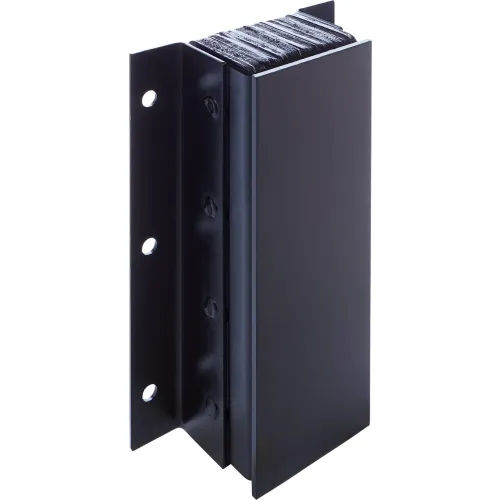 Steel-Faced Laminated Rubber Bumper: 5 Field Problems Buyers Keep Finding After Installation
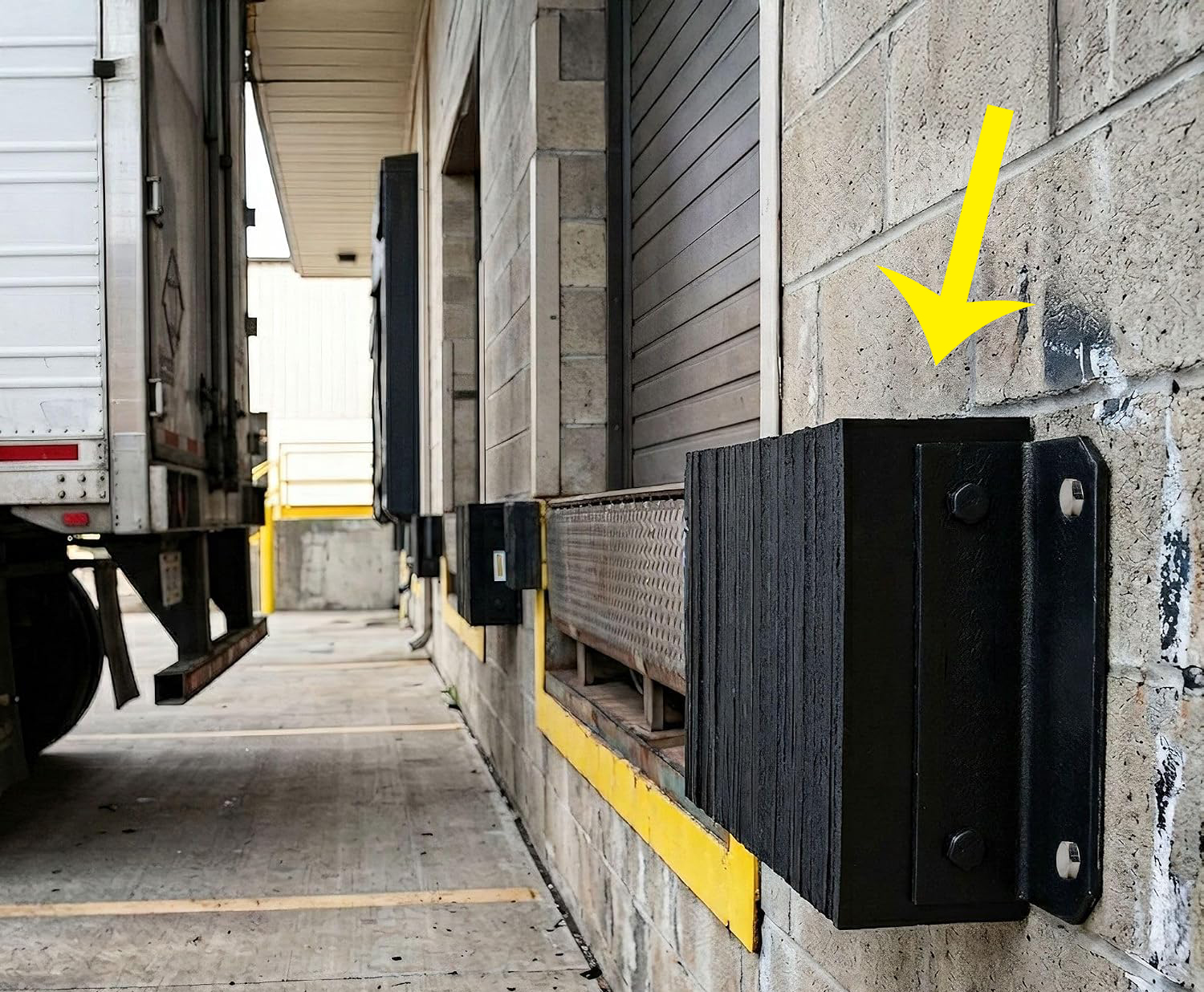 Rubber Laminated Loading Dock Bumper with Steel Angle: 5 Field Failure Signs That Point Back to the RFQ
 Bridge Bearing Pad Field Failure: 5 Visual Signs Before It Retires (And What Caused It)
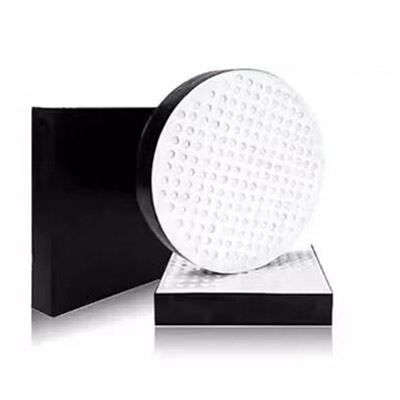 Bridge Bearing Pad RFQ Checklist: 9 Lines That Stop Suppliers From Subbing the Rubber