
The aerospace industry is a realm where precision, reliability, and safety converge to push the boundaries of human exploration and technological advancement. Within this highly specialized field, every component, no matter how seemingly insignificant, plays a critical role in ensuring the success and safety of missions. One such component that often goes unnoticed but is indispensable in aerospace applications is the rubber plug. These unassuming devices, though small and simple, are integral to the functionality, maintenance, and overall integrity of aerospace systems.
A Versatile Component in Complex Systems
Rubber plugs are utilized in a myriad of ways within the aerospace sector, serving multiple purposes that range from sealing and protecting critical components to facilitating the smooth operation of various systems. Their versatility stems from their ability to adapt to different shapes, sizes, and materials, making them an ideal solution for a wide array of applications.
One of the primary roles of rubber plugs in aerospace is sealing. In an environment where even the tiniest leak can have catastrophic consequences, rubber plugs provide a reliable barrier against moisture, dust, and other contaminants. They are often employed to seal openings in fuselages, engine compartments, and various subsystems, ensuring that sensitive equipment remains protected during all phases of flight, including launch, orbit, and re-entry.
Material Science and Aerospace Demands
The materials used to manufacture rubber plugs for aerospace applications are carefully selected to withstand the extreme conditions encountered in space. These materials must exhibit high resistance to temperature extremes, both hot and cold, as well as resistance to radiation, vacuum, and the corrosive effects of propellants and other chemicals.
Elastomers, a class of materials known for their elasticity, are the primary choice for rubber plugs in aerospace. Specific grades of silicone, fluoroelastomers, and ethylene propylene diene monomer (EPDM) rubbers are favored due to their exceptional performance characteristics. Silicone, for instance, offers excellent thermal stability and remains flexible over a wide temperature range, making it ideal for applications where temperature fluctuations are extreme. Fluoroelastomers, on the other hand, provide outstanding resistance to fuels, oils, and solvents, which is crucial in environments where these substances are present.
Design and Engineering Precision
The design of rubber plugs for aerospace applications is a testament to the precision engineering that defines the industry. Each plug is meticulously designed to fit its intended application perfectly, taking into account factors such as the size and shape of the opening, the pressure it will be subjected to, and the specific environmental conditions it must endure.
Engineers utilize advanced computer-aided design (CAD) software to model and simulate the performance of rubber plugs under various conditions. This allows them to optimize the plug's geometry, material thickness, and durometer (a measure of hardness) to ensure it meets the stringent requirements of aerospace applications. Prototyping and rigorous testing are also essential steps in the design process, as they help verify the plug's effectiveness and durability before it is deemed fit for use in actual aerospace systems.
Maintenance and Inspection
Rubber plugs also play a crucial role in the maintenance and inspection of aerospace vehicles. During routine checks and servicing, technicians may need to access certain components or systems. Rubber plugs are used to seal these access points when they are not in use, preventing debris and moisture from entering and potentially causing damage.
In some cases, rubber plugs are designed to be removable and reusable, allowing for easy access and resealing. This is particularly important in applications where frequent inspections or adjustments are required. The ability to quickly and easily remove and replace a rubber plug can save valuable time and reduce the risk of human error during maintenance procedures.
Safety and Reliability
Safety and reliability are paramount in the aerospace industry, and rubber plugs contribute significantly to both. By effectively sealing openings and protecting critical components, they help prevent potential failures that could jeopardize missions and endanger lives. Furthermore, their durability and resistance to harsh environments ensure that they continue to perform as expected, even under the most extreme conditions.
In addition to their sealing and protective functions, rubber plugs can also be used to dampen vibrations and absorb shock. This is particularly important in aerospace applications, where vibrations and shock can lead to premature wear and tear, reduced performance, and even structural damage. By incorporating rubber plugs into the design of aerospace systems, engineers can mitigate these effects and enhance the overall reliability and longevity of the vehicles.
Innovations and Future Trends
As the aerospace industry continues to evolve, so too do the materials and technologies used in the manufacture of rubber plugs. Researchers are constantly exploring new elastomers and manufacturing techniques that offer improved performance characteristics, such as higher temperature resistance, better chemical compatibility, and enhanced durability.
Advances in additive manufacturing, or 3D printing, are also opening up new possibilities for the production of rubber plugs. This technology allows for the creation of complex geometries and customized designs that may be difficult or impossible to achieve using traditional manufacturing methods. As 3D printing technology continues to mature, it is likely that we will see an increase in the use of custom-made rubber plugs tailored to specific aerospace applications.
In conclusion, rubber plugs may be small and unassuming, but their role in aerospace applications is anything but insignificant. These versatile components play a critical role in sealing, protecting, and maintaining the integrity of aerospace systems, ensuring the safety and success of missions. As the industry continues to push the boundaries of human exploration and technological advancement, the importance of rubber plugs and other similar components will only continue to grow. Through ongoing research, innovation, and precision engineering, we can expect to see even more advanced and reliable rubber plugs in the future, further enhancing the capabilities and safety of aerospace vehicles.
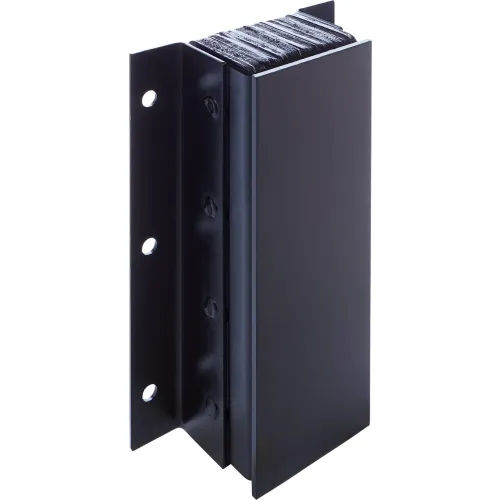 Steel-Faced Laminated Rubber Bumper: 5 Field Problems Buyers Keep Finding After Installation
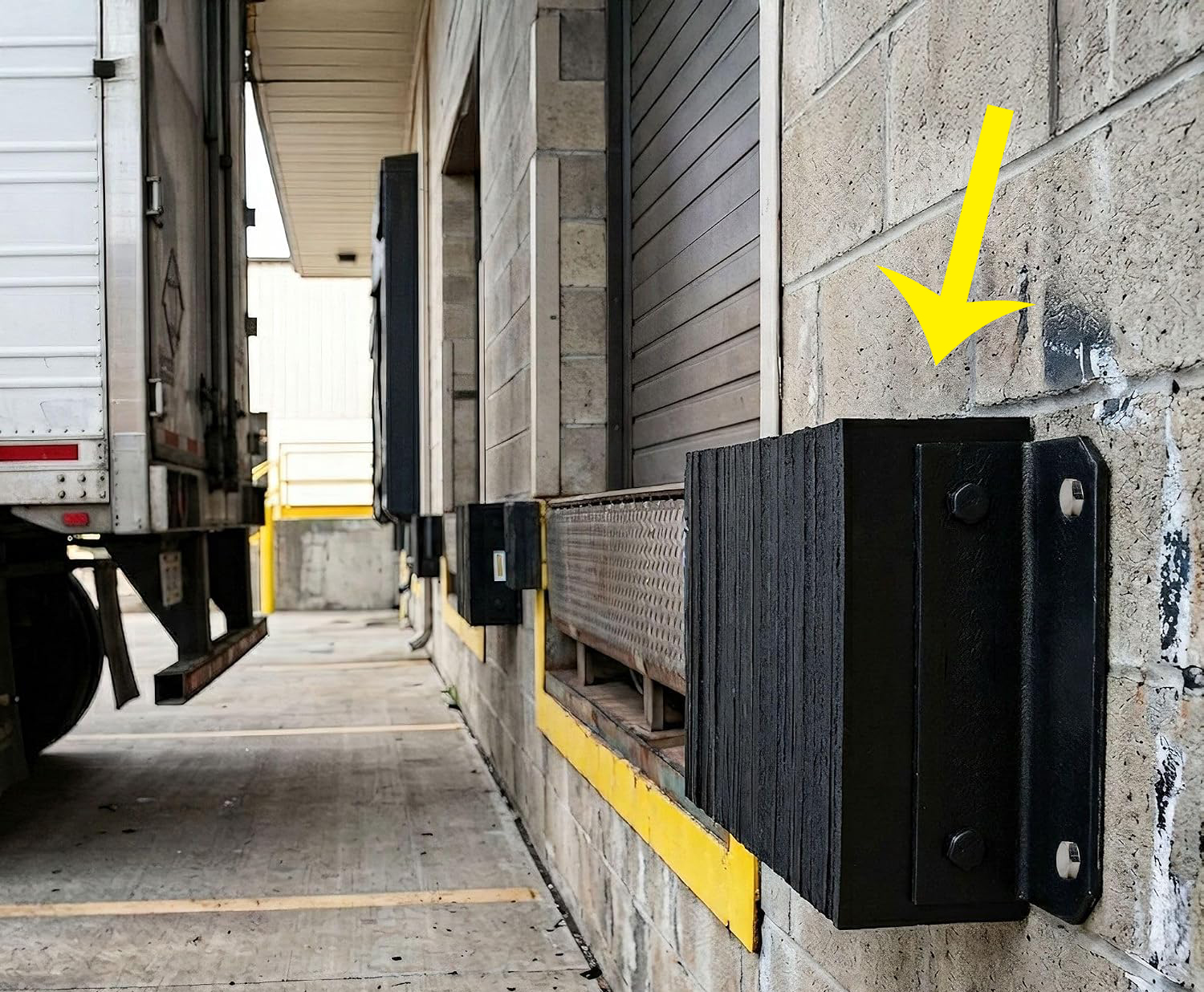 Rubber Laminated Loading Dock Bumper with Steel Angle: 5 Field Failure Signs That Point Back to the RFQ
 Bridge Bearing Pad Field Failure: 5 Visual Signs Before It Retires (And What Caused It)
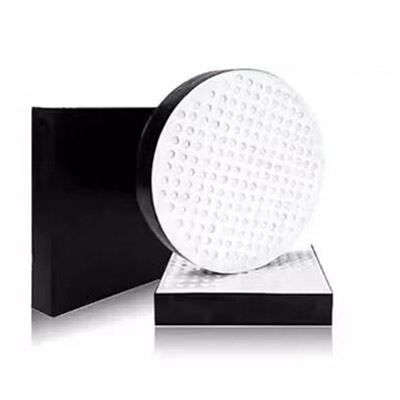 Bridge Bearing Pad RFQ Checklist: 9 Lines That Stop Suppliers From Subbing the Rubber